
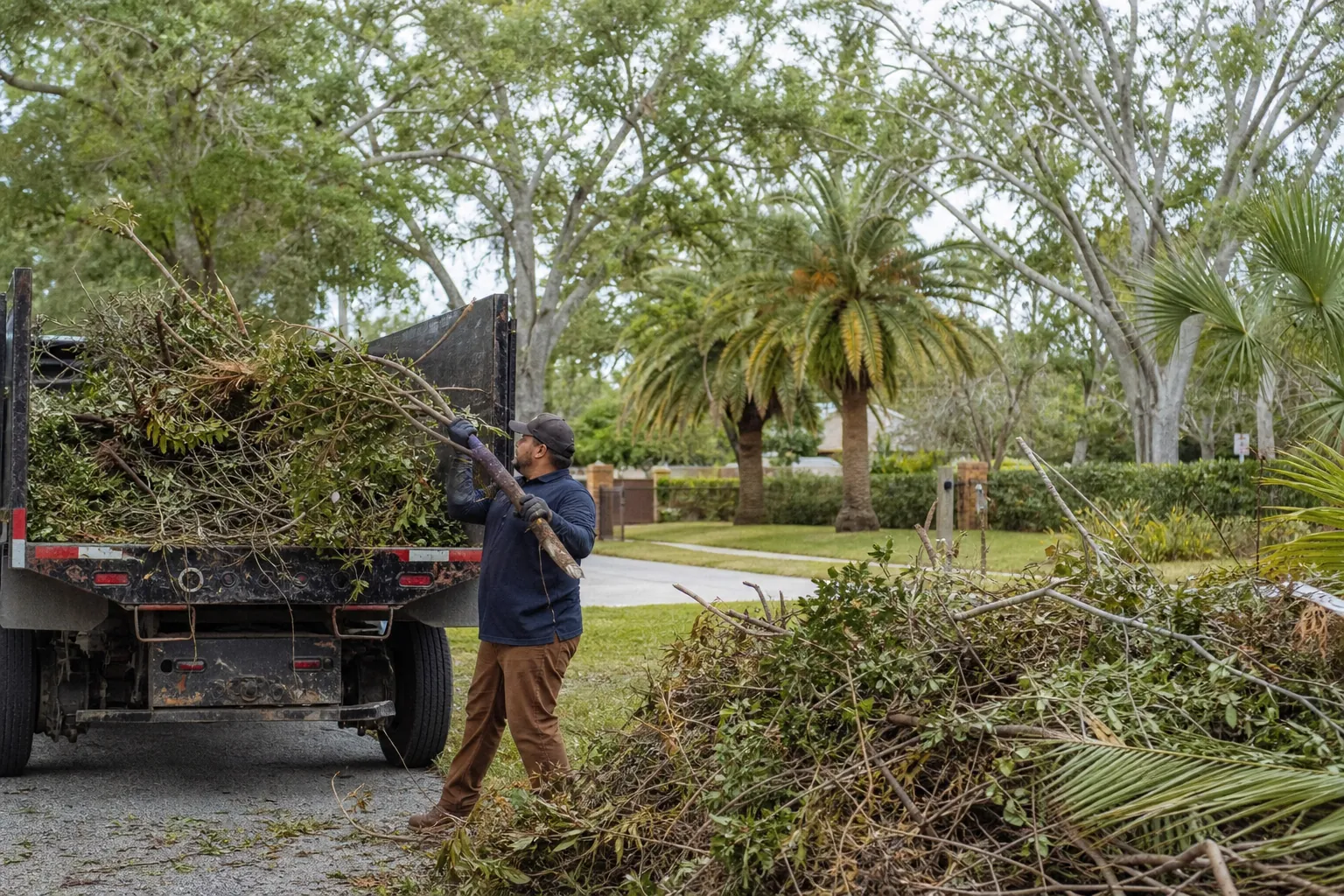
A yard cleanup can look manageable until the branches start stacking up. A few trimmed limbs, an overgrown hedge, or a fallen tree section can create a pile that is difficult to lift, load, and transport with ordinary equipment. For homeowners in Port Orange, FL, brush pile pickup offers a practical way to finish the job without turning debris removal into a second project.
Daytona Grapple Trucks helps property owners address bulky outdoor debris with grapple truck hauling. Instead of focusing only on how much brush is present, a useful pickup plan also considers where the pile sits, what it contains, and whether the truck can reach it safely. Those details help establish the scope before anyone starts moving material.
This guide explains how to prepare a brush pile, what to discuss when requesting service, and how to avoid common problems that can complicate pickup.
When Brush Pile Pickup Makes Sense
Brush pile pickup is worth considering when woody yard debris becomes too bulky for your usual cleanup routine. Large limbs often take up more space than their weight suggests. Forked branches catch on one another, and tangled vines can make a pile difficult to separate by hand.
A grapple truck uses a mechanical loading attachment to gather accessible debris and place it into the truck body. This can reduce repeated manual handling of large piles. However, equipment access and the condition of the material still matter. A tightly packed pile behind a fence is a different job from a loose stack beside an accessible driveway.
In Port Orange, warm growing conditions can produce frequent pruning needs. Seasonal storms can also leave broken branches scattered across a property. Pickup may be helpful after a planned landscape project or when accumulated brush is limiting the use of an outdoor area.
- Consider pickup when tree trimming leaves more branches than you can reasonably transport yourself.
- Ask about hauling when hedge removal produces woody stems mixed with bulky roots.
- Discuss service when fallen limbs interfere with mowing, driveway use, or routine property maintenance.
- Plan removal before additional landscaping work if an existing brush pile blocks access to the work area.
Not every small cleanup requires a truck. The goal is to match the removal method to the actual pile, rather than pay for equipment that the job does not need.
Identify What Is Actually In The Pile
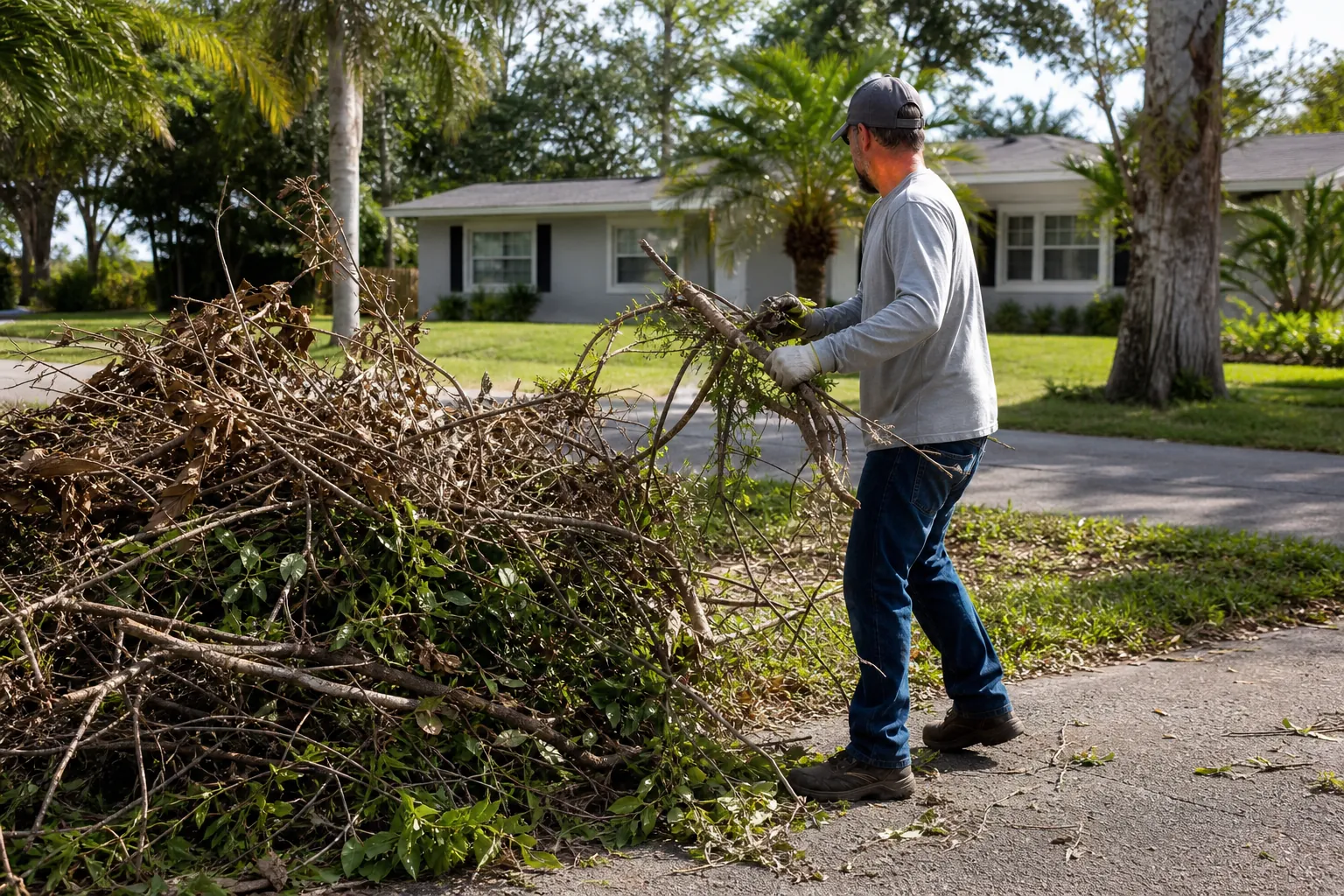
Before arranging pickup, look beyond the top layer of branches. Brush piles sometimes contain materials from several projects, especially when they have been sitting for weeks. Knowing the contents makes the service discussion more accurate and helps prevent surprises during loading.
Clean woody debris is different from a mixed pile containing household waste, fencing, concrete, or loose soil. Material types can affect loading methods, disposal options, and pricing. Do not assume that everything found outdoors qualifies as brush.
Tell Daytona Grapple Trucks whether the pile includes branches, logs, palm fronds, shrubs, vines, or root balls. Mention large pieces separately, especially if you cannot move them by hand. Size, weight, and attached soil may make those items more challenging than ordinary pruning debris.
- Separate plastic bags, plant pots, and household trash from woody yard debris whenever you can do so safely.
- Identify lumber, fence panels, wire, and metal before requesting a quote.
- Explain whether roots or stumps have soil attached instead of describing them only as branches.
- Disclose any sharp objects or concealed materials that could create a loading hazard.
Keep chemicals, fuel containers, paint, batteries, and other potentially hazardous items out of the brush pile. Ask about appropriate handling rather than placing them beneath vegetation. A clear description protects everyone involved and supports a more realistic plan for removal.
Choose A Pickup Location Before Moving Brush
The best staging location is not necessarily the most convenient place to drop branches while trimming. Grapple truck loading depends on vehicle positioning and equipment reach. A pile can be visible from the street and still be difficult to access because of parked cars, overhead utilities, or nearby structures.
Before relocating a substantial amount of debris, ask where the pile should go. Provide photos that show the pile and the surrounding area. Include the driveway, street frontage, nearby trees, and any fences or gates. These wider views are often more useful than a close-up of the branches alone.
Keep brush on your property unless you have confirmed that another placement is permitted. Do not assume that a roadside shoulder, sidewalk edge, drainage area, or neighboring parcel is available for staging. Local requirements and property boundaries should guide placement.
- Leave sidewalks and other pedestrian routes clear so people do not have to step into traffic.
- Keep debris away from storm drains, drainage swales, and areas where it could restrict water flow.
- Avoid stacking limbs against mailboxes, utility equipment, fences, or parked vehicles.
- Do not place branches beneath overhead lines without discussing the location and potential hazards first.
- Confirm access needs before expecting a heavy truck to travel over grass, pavers, or a narrow driveway.
If the pile is already in a difficult spot, describe that honestly. Do not move heavy limbs simply to make the location appear easier. The safest approach is to review the actual conditions and determine whether restaging or a different loading plan is necessary.
Build A Pile That Is Easier To Assess And Load
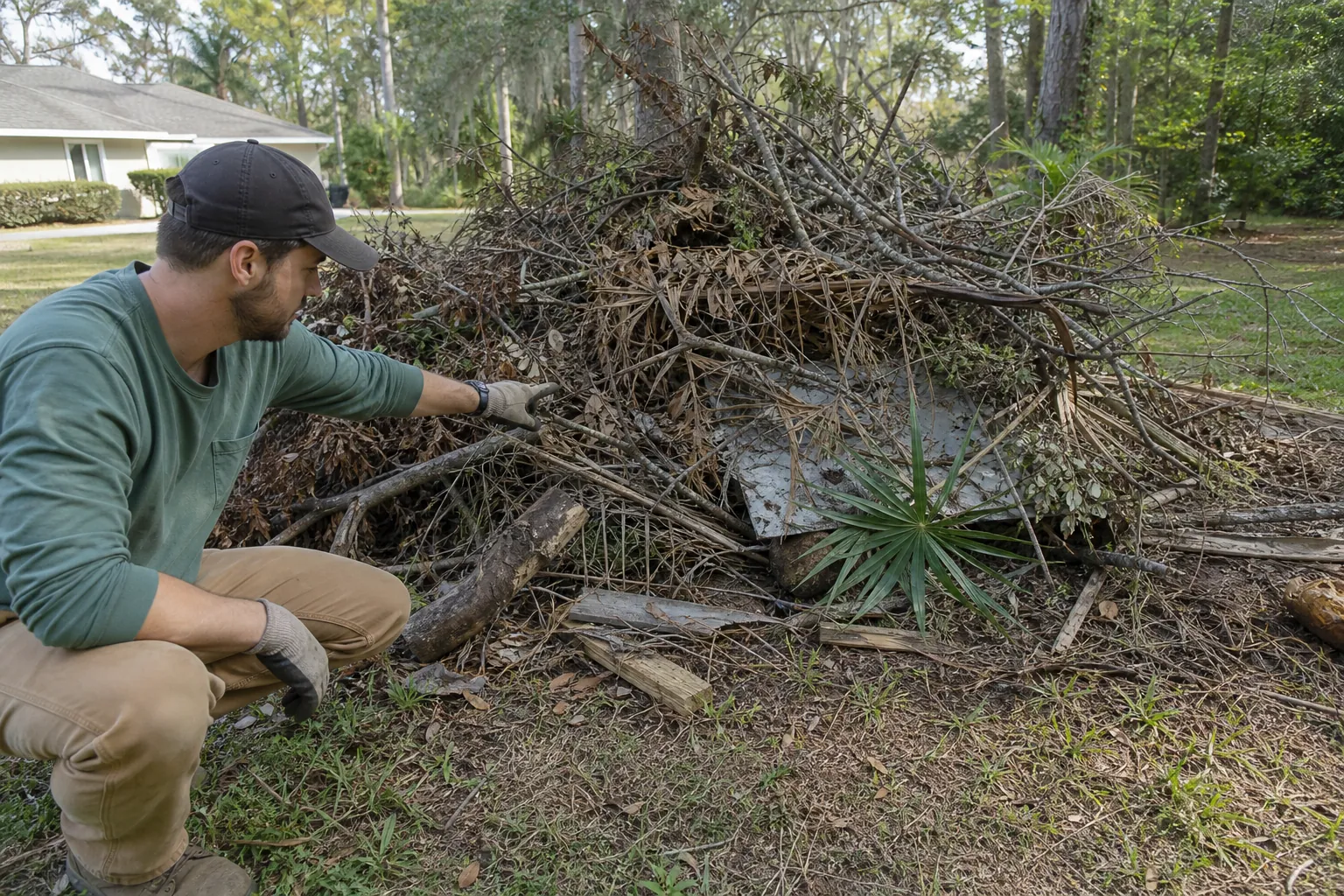
A reasonably organized pile helps the hauler evaluate volume and identify oversized pieces. It also reduces the chance that small debris will be spread across a large area. You do not need to create a perfect stack, but a little preparation can improve the pickup process.
Where it is safe and practical, consolidate loose branches into one accessible area rather than several scattered piles. Keep the pile visible and avoid hiding heavy logs beneath light cuttings. If different material types are present, make separate groups and explain what each contains.
Do not bind branches with wire or other materials unless the hauler specifically asks you to. Ties can introduce additional material into the load or complicate handling. Similarly, do not assume that bagged vegetation should be emptied or left bagged without checking the service requirements.
- Place manageable branches together so the pile has a clear footprint.
- Keep unusually large limbs visible so their size can be evaluated before pickup.
- Collect loose debris only when you can do so without handling hidden sharp objects or unstable branches.
- Stop piling material if the stack begins leaning against a structure or encroaching on a walkway.
Avoid climbing onto a pile to compress it. Branches can shift, snap, or trap a foot. Cutting oversized pieces may also be unsafe without the right tools and experience. Ask whether size reduction is needed before taking on additional work solely for pickup.
What A Useful Brush Pickup Quote Should Consider
Brush pile pickup pricing depends on more than a quick description such as a small pile or a full yard. Two piles with the same footprint can contain very different amounts of material. A loosely stacked collection of leafy branches may occupy substantial space, while short logs can create a denser and heavier load.
Access can be just as important as volume. A clear loading position may allow straightforward removal. Restricted access, multiple staging areas, mixed materials, or unusually heavy pieces can require a different approach. Provide enough information for the hauler to assess these conditions.
When contacting Daytona Grapple Trucks, start with the Port Orange property location, the material types, and approximate pile dimensions. Estimate length, width, and height without climbing onto or entering the pile. Photos from several angles can help clarify shape and scale.
- Explain whether there is one pile or several separate piles on the property.
- Mention large logs, stumps, root balls, or material with attached soil.
- Describe gates, overhead obstacles, narrow approaches, and nearby parked vehicles.
- Ask what the quoted scope includes and whether loose cleanup around the loading area is included.
- Confirm how additional debris added after the quote will be handled.
A useful estimate should make the job scope understandable. Ask whether the price is based on the described pile, load volume, or another method. Avoid relying on a general online price that does not account for your material and access conditions.
Private Pickup And Routine Yard Waste Collection
Property owners may have access to routine yard waste collection, but that does not mean every brush pile fits the applicable rules. Public collection programs can set requirements for material size, preparation, placement, and collection timing. Large project debris or unusual items may need separate consideration.
Check current guidance from the responsible local collection provider before setting debris out. Do not rely on a neighbor's experience from a different project or an old schedule. Requirements can differ by material and may change during special collection periods.
Private brush pile pickup is another option when you need to discuss a particular pile, access condition, or removal plan directly with a hauler. It should not be confused with municipal collection, and a private appointment does not automatically authorize placing debris in a public right-of-way.
Compare the practical requirements of each option. Consider how long you can safely leave the pile, whether it meets routine collection limits, and how much preparation is required. If timing matters, ask about current availability rather than assuming immediate service.
For a Port Orange property, the right choice is the one that matches the actual debris and complies with applicable placement rules. Confirm the details before moving brush toward the street or committing to a pickup arrangement.
Extra Precautions After Storms And Heavy Rain
Florida weather can change the condition of both brush and the ground beneath it. After heavy rain, soil may be soft even when the driveway or street looks dry. Saturated turf and unstable shoulders can affect where a truck can safely position.
Tell the hauler about standing water, recent flooding, or areas that remain soft. Avoid promising that a vehicle can cross your lawn based only on past access during dry conditions. Ground conditions should be assessed for the equipment and the planned loading location.
Storm debris also deserves a careful inspection from a safe distance. Fallen limbs may be tangled with damaged fencing, roofing materials, or utility lines. Some branches can remain under tension, and partially fallen trees may still pose a hazard.
- Stay away from any debris touching a downed or damaged utility line and contact the appropriate emergency or utility service.
- Do not approach hanging limbs or unstable trees to prepare a pickup pile.
- Tell the hauler if the pile contains storm-damaged building materials in addition to vegetation.
- Keep children and pets away from the debris and the eventual loading area.
Brush hauling addresses material that can be handled safely within the agreed scope. It is not a substitute for resolving active electrical hazards or unstable trees. Take care of those conditions through the appropriate professionals before attempting ordinary debris preparation.
What To Confirm Before Pickup Day
Once a pickup arrangement is made, confirm the agreed pile location and material list. If you add more brush after receiving an estimate, let the hauler know before arrival. An expanded pile can change the load size, work requirements, or price.
Ask whether you need to be present and how access should be provided. If a gate must be opened or vehicles must be moved, handle those details in advance. Keep the loading area free of unrelated items, including garden hoses, tools, and outdoor furniture.
Do not plan to stand beside the pile during loading. Grapple equipment needs a clear working area, and branches can move unpredictably when lifted. Follow the operator's directions about where to remain while the truck is working.
Confirm cleanup expectations as well. Removing the main pile and gathering every leaf or small twig are different tasks. Understanding the agreed finish helps you plan any final raking, mowing, or landscape repair without confusion.
After removal, inspect the area before resuming normal yard work. Look for small branch fragments, exposed roots, or objects that were previously concealed. A final check can help prevent mower damage and make the cleared space easier to use.
Discuss Your Port Orange Brush Pile With Daytona Grapple Trucks
A successful pickup starts with a clear picture of the job. Identify the material, describe the access, and share photos before moving heavy debris or assuming a particular loading method will work. These simple steps help turn a bulky pile into a manageable removal project.
For brush pile pickup in Port Orange, call Daytona Grapple Trucks at (386) 481-7913. Explain what is in the pile, where it sits, and whether there are any access concerns. Ask about current scheduling, pricing, and the preparation needed for your property.
You do not need to have every detail figured out before calling. A straightforward conversation about the actual debris is a good place to start, especially when the pile is too large or awkward for your usual cleanup routine.
Call (386) 481-7913 to talk through next steps.