
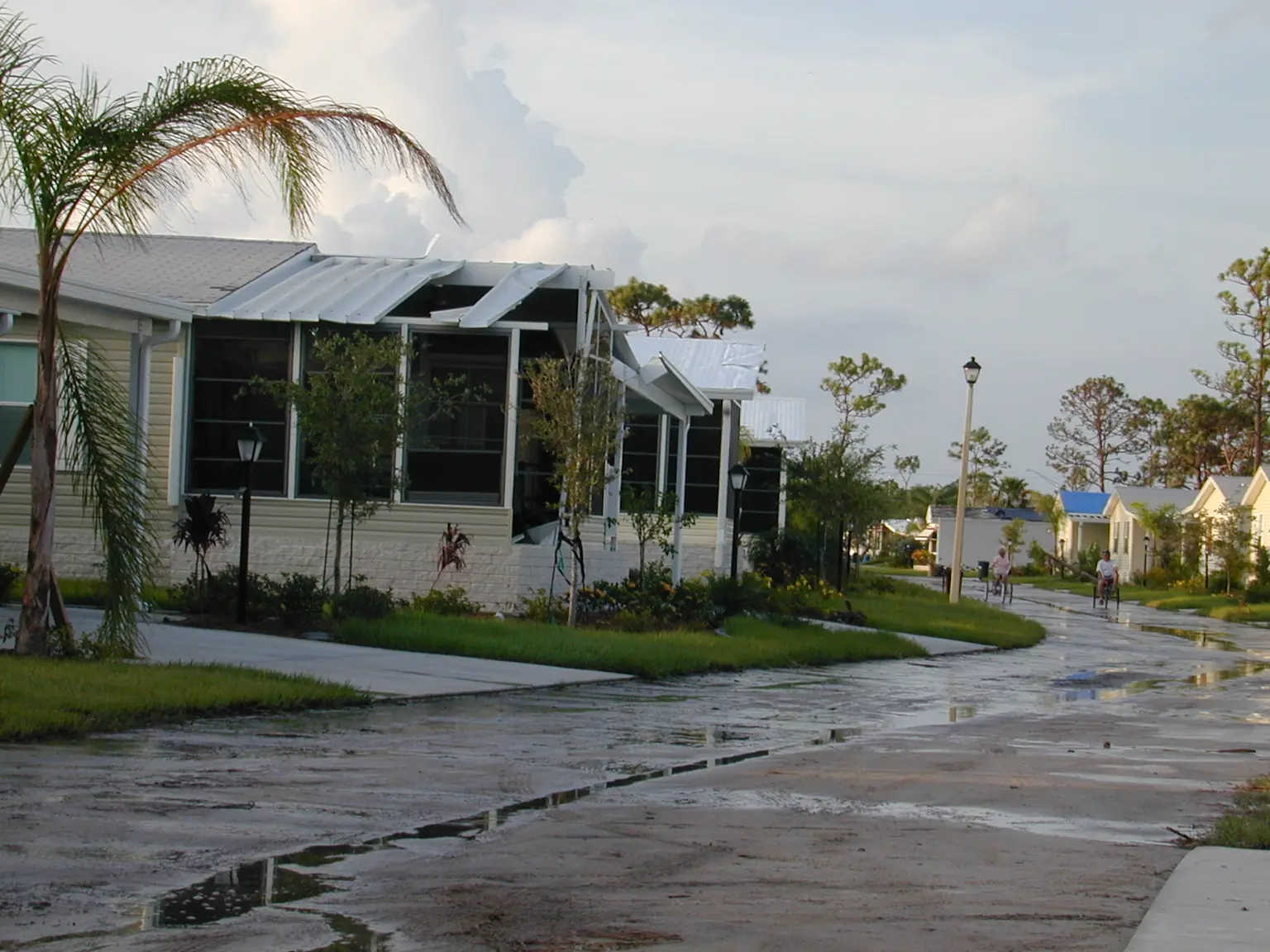
Photo: Hurricane Charley Damage in Punta Gorda and Port Charlotte, Florida - DPLA - ffbd7373bab4afca169dd7e2d11270ca by Department of Housing and Urban Development. Office of the Chief Human Capital Office. Office of Broadcasting Operations, Public domain, via Wikimedia Commons
Choosing where to place a curbside debris pile can affect whether it is accessible, contained, and ready for collection. Before moving heavy or bulky material, evaluate the curb, nearby obstacles, traffic, drainage, and the path a collection vehicle would need to use. Local placement requirements can vary, so confirm applicable rules before setting out debris. The steps below can help Daytona Beach homeowners make a practical placement decision without assuming that every curb or pile is suitable.
Start With Access From the Street
A curbside pile should be positioned where it can be approached from the street without requiring a vehicle to cross a lawn, driveway feature, or other vulnerable surface. Look at the location from the roadway rather than only from your property. A spot that appears open from the yard may be difficult to reach because of parked vehicles, a narrow shoulder, a bend in the road, or another obstruction.
Consider whether the pile can remain accessible between placement and pickup. If household vehicles, visitors, or neighbors regularly park nearby, choose a location that is less likely to become blocked. Avoid assuming that a driver can work around a parked car or reach over an obstacle. Keep the debris contained in one clearly defined area instead of spreading it along a long section of curb. Before finalizing the location, walk from the pile to the street and identify anything that could interfere with direct access.
Check Above, Beside, and Beneath the Pile
Good placement requires more than open pavement in front of the debris. Look upward for overhead lines, tree limbs, signs, and other features that may limit clearance. Check both sides for mailboxes, fences, landscaping, utility equipment, parked vehicles, and structures. Do not place material where it leans against or covers these features.
Also examine the surface beneath the proposed pile. Keep storm drains, drainage channels, gutters, sidewalks, and pedestrian routes clear. Debris should not create an avoidable obstruction or prevent water from moving through its normal path. If the curb is close to an intersection, driveway, or traffic sign, select another location that preserves visibility and access.
Use this quick review before placing anything:
- Confirm clear access from the street.
- Look for overhead lines and branches.
- Keep drains, sidewalks, and driveways unobstructed.
- Leave space around mailboxes and utility features.
- Check that the pile will not block roadway visibility.
Keep the Debris Consolidated and Stable
A compact, stable pile is easier to evaluate than loose material scattered across the curb area. Place debris together within the available space, but do not stack it so high or unevenly that pieces can roll, slide, or fall into the roadway. Long branches or bulky pieces should not project into traffic, across a sidewalk, or onto neighboring property.
Think about what may happen before pickup. Wind, rain, passing vehicles, animals, and routine property activity can shift loose material. Place lighter items so they are less likely to blow away, and reconsider the location if runoff could carry small pieces toward a drain. Avoid mixing the pile into landscaping, soil, or objects you intend to keep. Clear separation helps distinguish the debris from fences, planters, stored materials, and other property features.
If you cannot create a stable pile without blocking access or drainage, pause before moving more material. A different curb location may be safer and more practical.
Confirm Local Rules Before Moving Material
Property conditions do not replace local requirements. Before placing debris at the curb, confirm which rules apply to your address and situation. Requirements may address where material can be placed, when it can be set out, what may be included, and whether advance arrangements are necessary. Do not rely solely on how another property has handled its debris.
If your home is part of a managed community, review any relevant community guidance in addition to public requirements. Corner lots, shared access points, alleys, and streets without a conventional curb may require extra attention because the obvious placement area may not be appropriate. If the space between the street and your property includes utilities, drainage infrastructure, or public access, verify what is permitted before using it.
It is usually easier to confirm placement first than to relocate a large pile later. Keep notes about any instructions you receive, and follow the most current information available for your property.
Prepare Details Before Discussing Pickup
Once you have identified a possible curbside location, gather enough information to describe the pile clearly. Note the type of debris, its approximate dimensions, the surface where it sits, and nearby obstacles. Photos taken from the street and from each side can help document access and clearance. Include overhead features in at least one image when possible.
Consider whether the pile is complete or whether more material will be added. Moving debris after discussing pickup can change the access needs and the amount of material involved. Cost can also depend on details beyond curb placement. For related planning considerations, read grapple truck pickup cost factors in Daytona Beach.
Before calling, make sure the pile is not hidden behind a vehicle, gate, fence, or landscaping. Be ready to explain any narrow approach, overhead obstruction, nearby drain, or unusual street condition. Clear information supports a more useful conversation about the specific property.
Talk Through Your Curbside Setup
If you are deciding where to place a debris pile in Daytona Beach, call Daytona Grapple Trucks at (386) 481-7913. Describe the material, proposed location, street access, and nearby obstacles so the conversation can focus on your actual setup.
Call (386) 481-7913 to talk through next steps.