
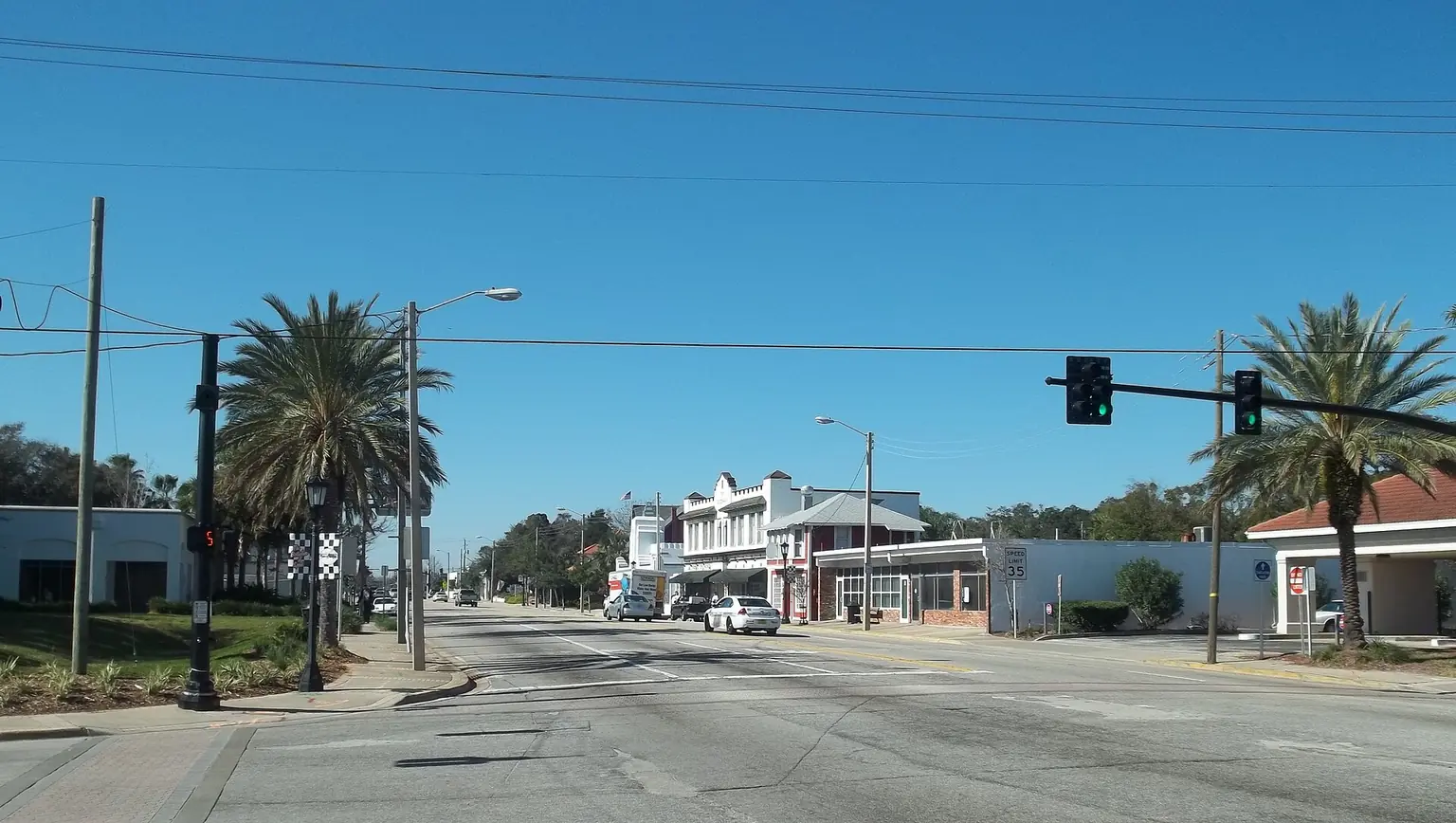
Photo: Ormond Beach FL SR 40 west01 by Ebyabe, CC BY-SA 3.0, via Wikimedia Commons
A fire hydrant should remain visible and accessible when you prepare a debris pile for grapple-truck pickup in Daytona. Do not place material against the hydrant, around its base, or where a truck, equipment, or emergency personnel may need access. Because property layouts and local requirements can differ, confirm the placement rules that apply to your address before moving debris to the roadside.
Start With Access, Not a Guessed Distance
It may be tempting to choose a single number of feet and assume the pile is acceptable. Without a verified rule for the specific property and street, that approach can create problems. A safer decision process begins with access. Look at the hydrant from the street and from both directions of travel. It should not be hidden behind branches, boards, bags, or loose material. The area around it should also remain usable rather than merely visible.
Consider how debris could shift after placement. Limbs may roll, palm material may spread, and a loosely stacked pile can become wider after wind or rain. Leave enough separation so ordinary movement does not bring debris into the hydrant area. If the available roadside space is narrow, avoid squeezing a pile between the hydrant and another obstacle. Before finalizing the location, verify any applicable instructions with the appropriate local authority or property contact.
Evaluate the Full Pickup Area Before Stacking
A debris pile affects more than the exact spot where material touches the ground. Grapple-truck pickup involves the pile, the surrounding area, and a practical route for approaching and handling the material. Review the entire space before you begin stacking. A location that appears clear at ground level may still be constrained by parked vehicles, landscaping, fences, signs, mailboxes, or overhead obstructions.
- Keep the hydrant clearly visible from the street.
- Do not lean branches, boards, or other material against it.
- Account for the pile's width after loose debris settles.
- Preserve room around driveways, sidewalks, and roadside features.
- Check above the pile for lines, branches, or other obstructions.
- Keep vehicles away from the pile before anticipated pickup.
- Confirm local placement requirements when the available area is uncertain.
Taking a few minutes to inspect the full work area can prevent unnecessary restacking later.
Choose a Location That Does Not Create Another Conflict
Moving debris away from a hydrant is only part of the decision. The alternate location should not block a driveway, extend into a travel lane, cover a sidewalk, or interfere with another roadside feature. Walk the frontage and identify the area with the fewest conflicts. If every option creates a problem, pause before placing the pile and ask for direction rather than choosing the least obvious obstruction.
Keep the pile compact and controlled. Avoid creating a long, scattered row simply to increase the distance from the hydrant. Consolidated material is easier to assess, while scattered debris can be harder to keep clear of access points. Place the material entirely in the selected area instead of allowing ends of branches to project toward the hydrant or roadway. If the debris originated in a backyard or side yard, plan the route to the pile first so moving it does not damage property or force material through an unsuitable space.
Verify Requirements Before Moving a Large Pile
For a small amount of debris, changing the location may be manageable. For a large pile, discovering a placement issue after stacking can mean significant extra work. Verify the location before moving heavy, bulky, or awkward material. Start by identifying whether the proposed spot is on private property, a roadside area, or another controlled space. Then determine who can provide current guidance for that location.
When asking about placement, describe the hydrant's position, the proposed pile location, nearby obstacles, and the type and approximate volume of debris. Photos can help communicate the layout, but they do not replace any required approval or local instruction. Avoid assuming that a neighbor's pile establishes a rule for your property. Different frontages can have different constraints. Also consider the factors that may affect the overall pickup decision. The related guide to grapple-truck pickup cost factors in Daytona Beach can help you organize questions before calling.
Prepare the Site for a Clear Pickup Conversation
Once you identify a suitable location, make the site easy to explain. Note where the hydrant sits in relation to the driveway, street, and proposed pile. Measure the available area if practical, and photograph the frontage from more than one angle. These details can help clarify whether the pile is separated from the hydrant and whether other obstacles may affect access.
Be ready to describe what the pile contains. Do not assume that every type of material can be handled in the same way. Ask before combining different materials or adding items after discussing the original pile. Keep children, pets, and vehicles away from the staging area, and avoid placing new material where it changes the pile's footprint. If conditions change after wind, rain, or additional yard work, inspect the area again. The goal is to preserve the clear space you planned rather than treating placement as a one-time decision.
Ask Before You Finalize the Pile
If you are deciding where to place debris near a fire hydrant in Daytona, call Daytona Grapple Trucks at (386) 481-7913. Calmly describe the pile, hydrant, and nearby obstacles before moving a large amount of material.
Call (386) 481-7913 to talk through next steps.