Large piles of branches, brush, logs, and bulky outdoor debris can quickly overwhelm a property. A grapple truck offers an efficient way to load and haul this material without relying on small trailers or repeated manual loading. For homeowners, property managers, contractors, and commercial sites, the first step is understanding what information is needed for an accurate estimate.
If you are searching for a grapple truck debris quote in Daytona, a few practical details can help you receive clear pricing and schedule service more smoothly. Daytona Grapple Trucks evaluates the debris type, pile size, access conditions, and disposal requirements before recommending the right approach.
What a grapple truck can remove
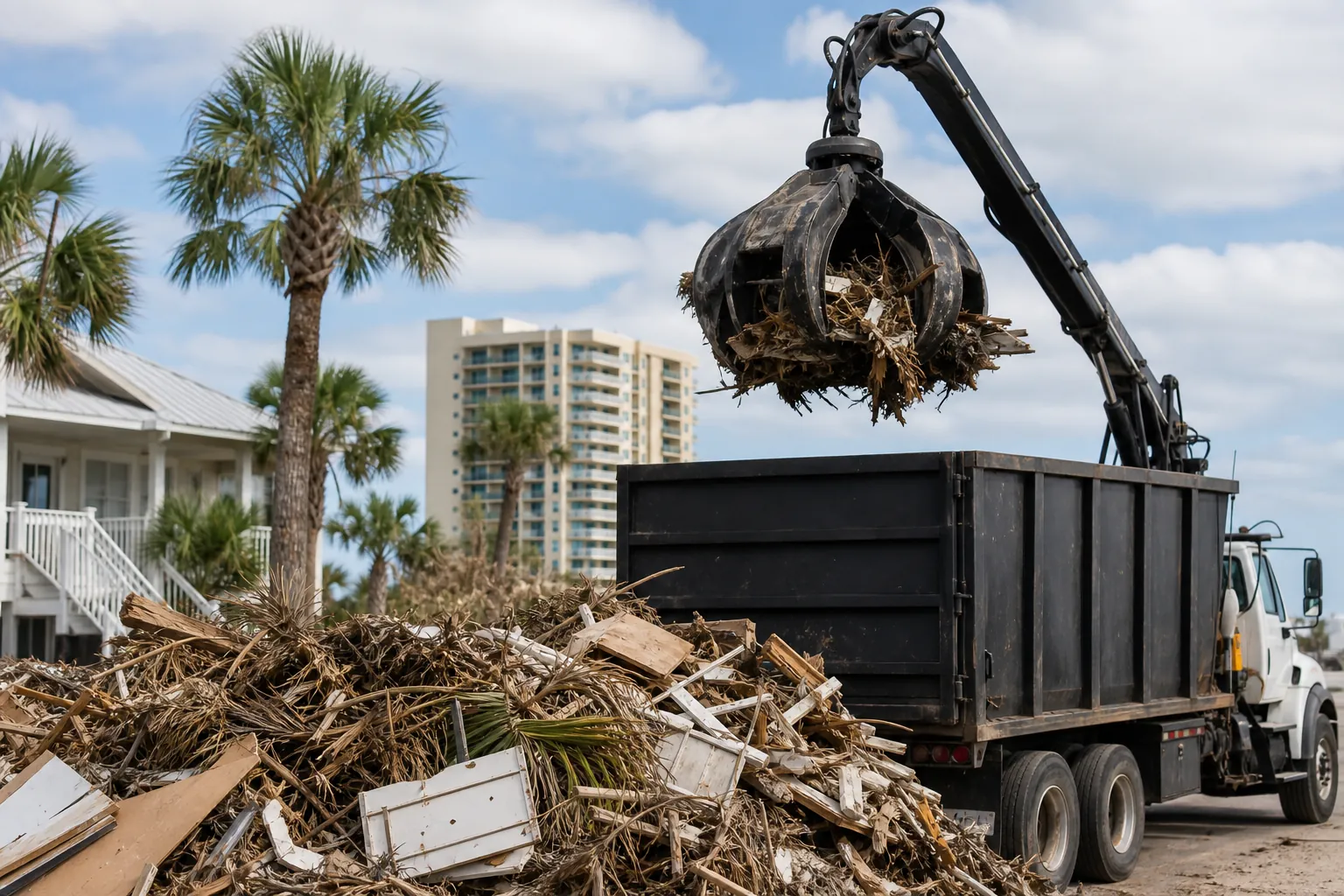
A grapple truck uses a hydraulic arm and claw to lift debris into a large hauling container. This equipment is well suited to loose, bulky material that would otherwise require significant labor to load. It is commonly used after yard projects, property cleanups, tree trimming, storms, and land maintenance.
Typical loads may include tree limbs, palm fronds, brush, logs, and other vegetative debris. Grapple trucks can also help with certain construction or demolition materials when those items are accepted and properly separated. The exact materials that can be hauled depend on weight, local disposal rules, and whether hazardous or restricted items are present.
When requesting a quote, describe everything in the pile rather than identifying only the largest material. Mixed loads can require different disposal arrangements, so complete information helps avoid delays or pricing changes.
Factors that shape your debris hauling quote
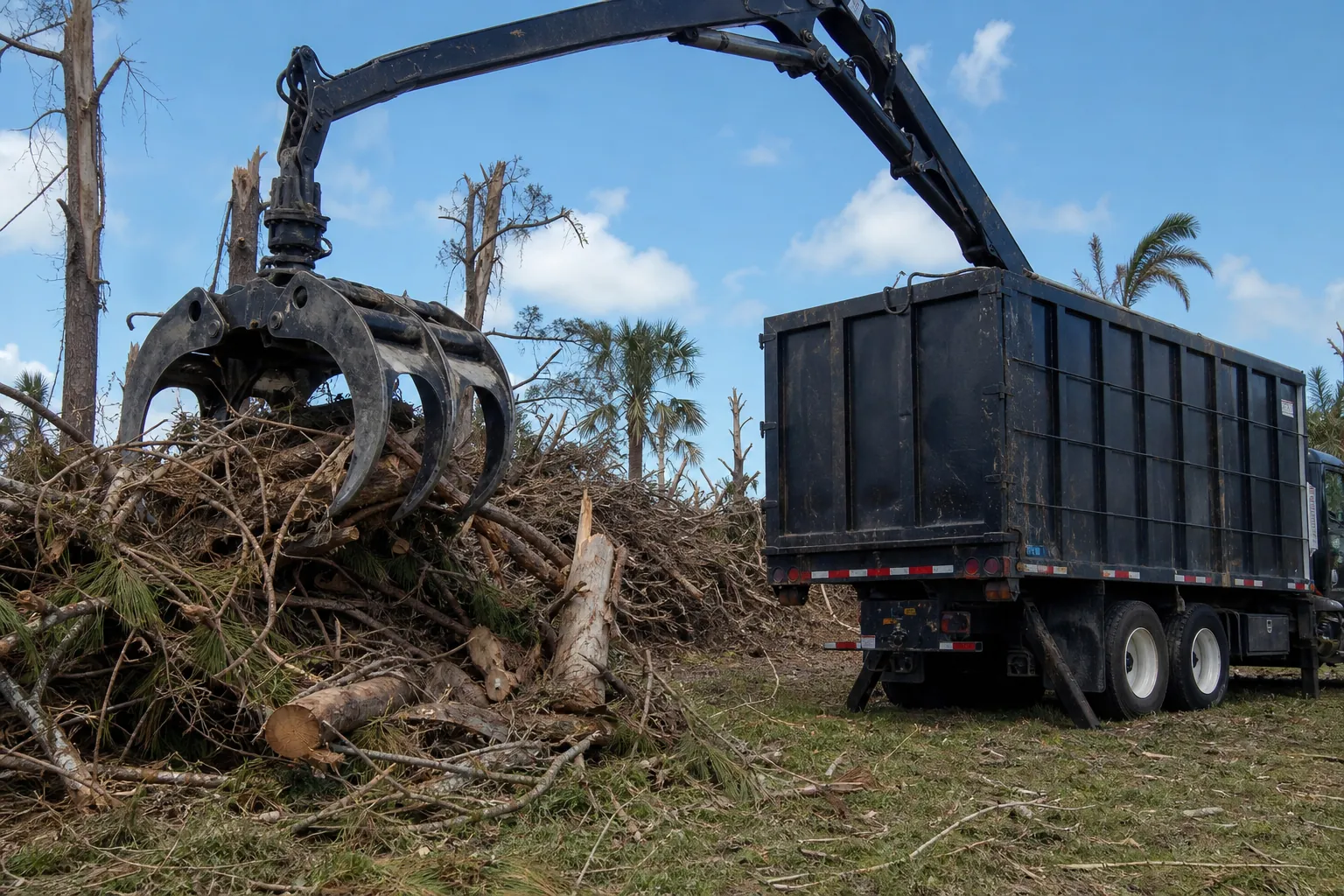
There is no single price for every cleanup. A compact pile of light branches differs from a dense load containing large logs, soil, concrete, or mixed renovation waste. Hauling companies assess both the volume of material and the effort required to remove it safely.
The primary pricing factors generally include:
- Debris volume: The pile's length, width, and height help estimate how much truck capacity it will use.
- Material type: Vegetative debris, construction waste, heavy logs, and mixed materials may have different handling and disposal costs.
- Weight: Dense debris can reach hauling limits before the truck's container appears full.
- Truck access: The grapple arm must be able to reach the pile from a stable, legal parking position.
- Obstacles: Utility lines, tree canopies, fences, parked vehicles, mailboxes, and narrow gates can affect loading.
- Labor needs: Scattered material may need to be consolidated before mechanical loading can begin.
- Disposal fees: Local facilities charge according to material type, weight, or load size.
- Number of loads: Large cleanups may require multiple trips to complete.
Photos are useful for an initial assessment, but they should show the full pile and nearby access area. Including a common object for scale can make dimensions easier to judge.
How to prepare the site for an accurate estimate
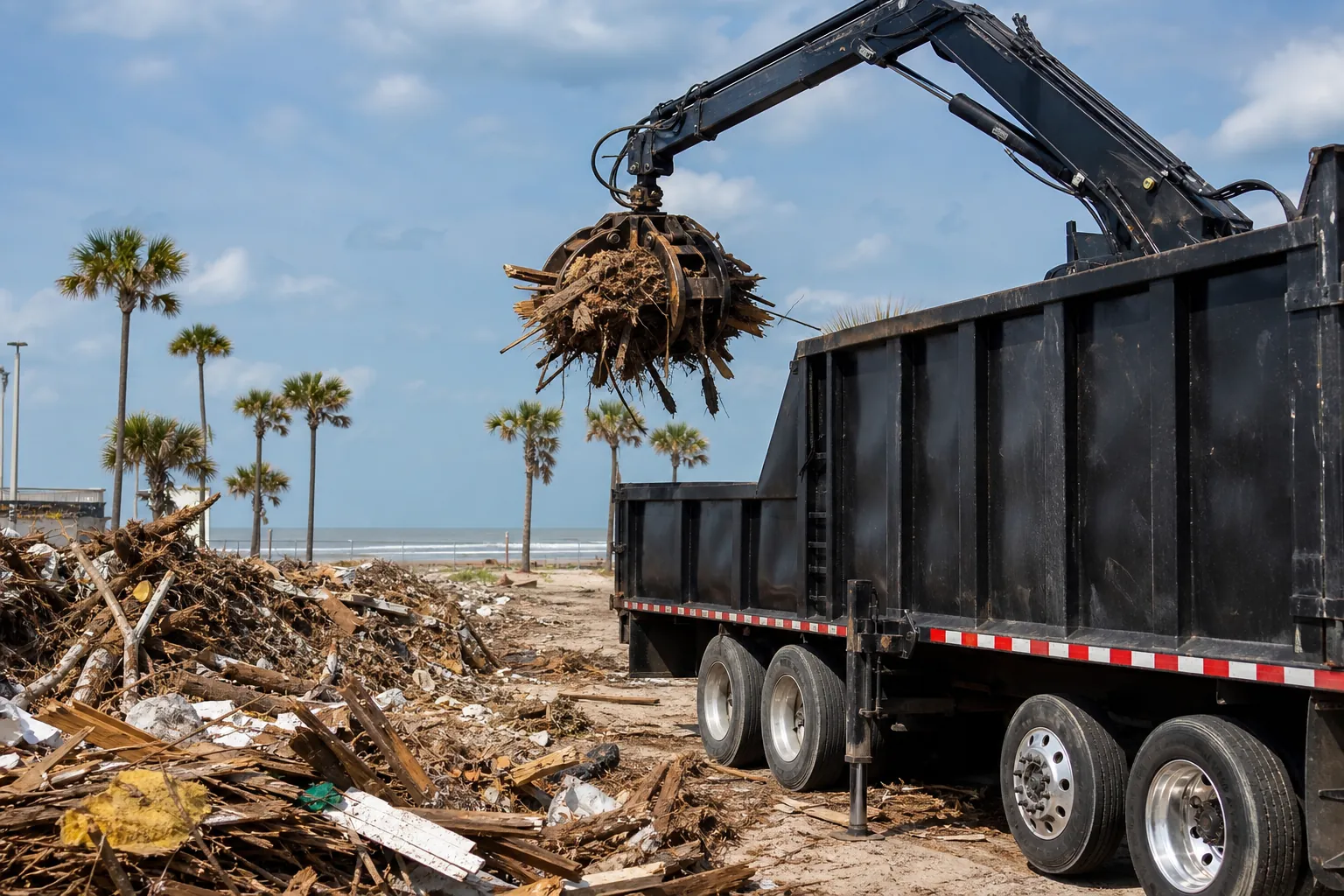
Good preparation can improve quote accuracy and make pickup day more efficient. Start by grouping similar materials together. Keep clean yard debris separate from household trash, construction materials, soil, concrete, appliances, paint, chemicals, and other restricted items.
Place the pile in an open location that the truck can approach safely, but confirm placement before moving debris near a public road. Local rules may limit what can be left at the curb or within a right of way. Debris should not block sidewalks, storm drains, driveways, traffic visibility, or emergency access.
Look above the pile as well as around it. Hydraulic loading equipment needs overhead clearance. Power lines and communication cables can make an otherwise accessible pile unsafe to reach. The ground near the loading area should also be firm enough for a heavy vehicle, especially after Florida rain.
Provide approximate dimensions and explain whether materials are loose, bundled, bagged, tangled, or partially buried. Mention oversized logs, stumps, concrete, roofing, or dirt specifically. These details help determine whether grapple loading is appropriate and whether another solution is needed.
Why Daytona access conditions matter
Properties in Daytona can present very different loading environments. A residential lot may have a narrow driveway and overhead utilities, while a commercial property may offer ample pavement but require work during limited hours. Coastal weather, sandy soil, afternoon storms, and saturated ground can also influence scheduling and safe truck positioning.
For storm cleanup, avoid placing debris against utility poles, fire hydrants, signs, or standing trees. Do not combine vegetative storm material with damaged household goods unless directed to do so. Separation makes the load easier to evaluate and may reduce disposal complications.
Customers should also identify gates, community access restrictions, low branches, soft shoulders, or parking controls before scheduling. If the truck cannot safely reach the pile, extra handling may be required. Clear access information allows Daytona Grapple Trucks to plan equipment placement instead of discovering limitations after arrival.
Questions to ask before approving service
A useful quote should explain what work is included, not just provide a total. Ask whether pricing covers loading, hauling, disposal, and cleanup of small remnants in the immediate loading area. Confirm whether the amount is based on a stated pile size, a full load, truck capacity, weight, time, or another measure.
You should also ask what happens if the actual pile is larger or contains materials that were not disclosed. A professional conversation about possible additional charges gives both parties a shared understanding before work starts.
Scheduling details matter too. Confirm the expected service window, whether someone must be present, and how vehicles or gates should be handled. If you are managing a rental, job site, or vacant property, provide clear authorization and a reliable contact who can answer questions.
Get ready for a smoother pickup
Before the scheduled arrival, move vehicles, trailers, toys, and portable landscaping items away from the loading path. Unlock approved gates and keep pets indoors. Do not add new material after the quote without notifying the hauling team, since additional volume or a different debris type can change the scope.
A straightforward estimate begins with accurate details. Send clear photos, approximate measurements, the Daytona-area service address, a list of materials, and notes about access. Daytona Grapple Trucks can then review the project and discuss an appropriate hauling plan.
For a calm, practical conversation about your cleanup, call Daytona Grapple Trucks at (386) 481-7913. The team can help you identify the information needed for a debris hauling quote and determine whether grapple truck service fits your Florida property.
Call (386) 481-7913 to talk through next steps.