
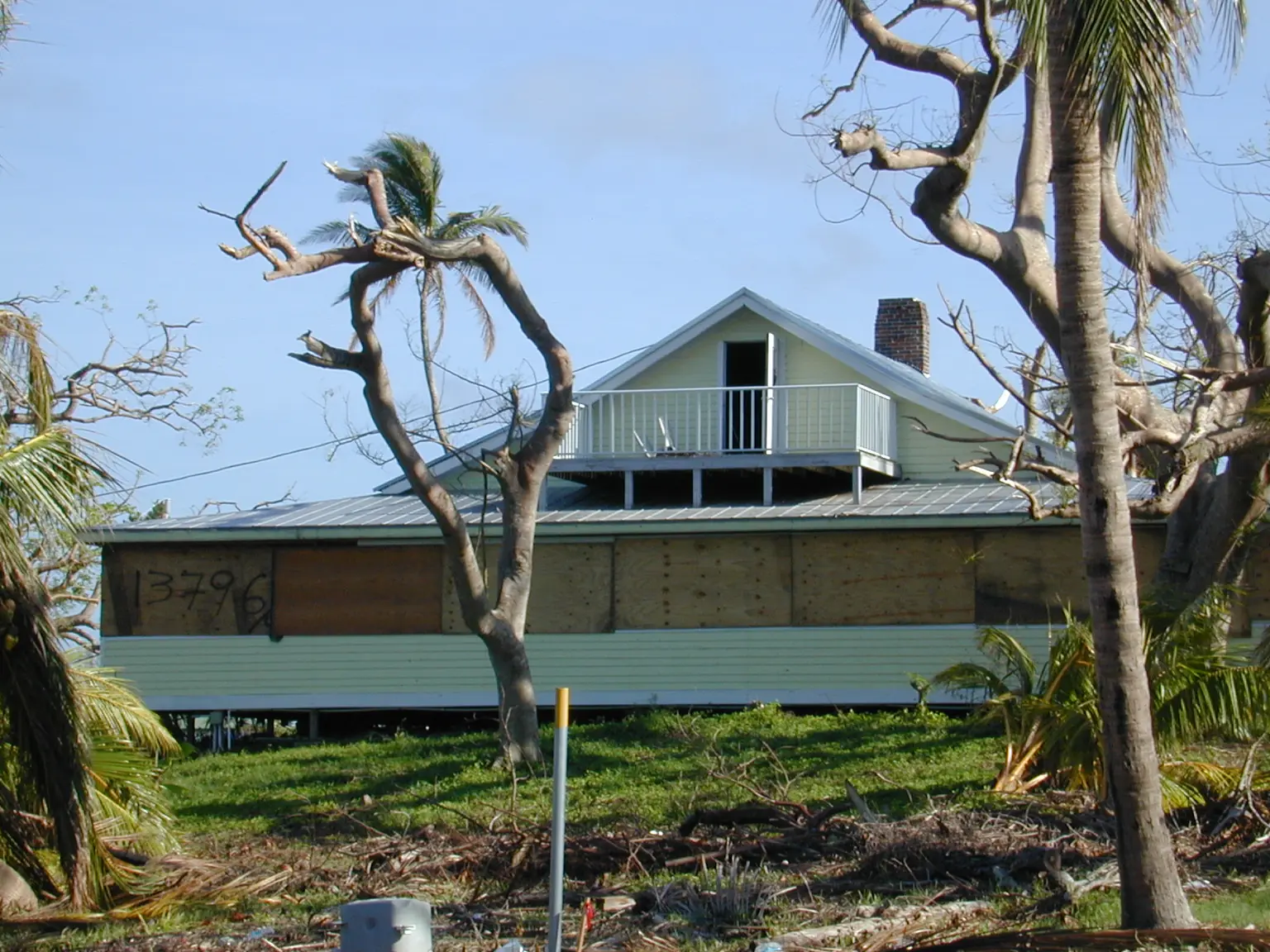
Photo: Hurricane Charley Damage in Punta Gorda and Port Charlotte, Florida - DPLA - d3a3c9d7afcfb68fda166730b843144e by Department of Housing and Urban Development. Office of the Chief Human Capital Office. Office of Broadcasting Operations, Public domain, via Wikimedia Commons
When a cleanup project leaves behind branches, logs, brush, construction debris, or bulky outdoor waste, a grapple truck can make removal faster and more practical. Before scheduling service, however, property owners often want to know whether their pile is large enough for pickup and how a minimum load may affect the price.
A grapple truck minimum load in Daytona generally represents the smallest billable amount a hauling company can efficiently dispatch equipment and a trained operator to collect. The exact threshold may depend on debris type, pile size, access, disposal requirements, travel time, and current scheduling conditions. Understanding these factors helps you prepare your site and request an accurate estimate.
Why Grapple Truck Services May Have A Minimum Load
Grapple trucks are specialized vehicles designed to lift loose, heavy, or irregular debris with a hydraulic arm. Sending one to a property involves more than the volume placed in the truck. Dispatching also includes operator time, fuel, equipment wear, travel, loading, transport, and disposal.
A minimum charge helps cover these baseline costs even when the debris pile fills only a small portion of the truck. This approach also allows customers to use professional equipment without needing enough material for a full truckload.
Minimums can be particularly relevant for small storm cleanups, a few cut limbs, leftover landscaping debris, or limited renovation waste. In some cases, consolidating material from multiple areas of the same property can make pickup more efficient.
What Determines The Billable Amount
Debris volume is important, but it is not the only pricing consideration. A light pile of palm fronds may occupy considerable space, while dense logs, soil, roofing, or concrete can add weight quickly. Some materials require different handling or disposal facilities, and certain items may not be accepted at all.
Site conditions can also influence labor and loading time. A grapple arm works best when the truck can park close to a neatly staged pile. Material behind fences, under utility lines, beside parked vehicles, or mixed with prohibited waste may require additional preparation or another removal method.
Common factors evaluated for a Daytona pickup include:
- Material type: Brush, branches, logs, yard debris, and construction waste may have different disposal rules and rates.
- Pile dimensions: Length, width, and height provide a more useful estimate than a simple bag count.
- Weight and density: Wet vegetation, large trunks, concrete, and soil can reach weight limits before filling the truck.
- Truck access: Safe parking and a clear path for the hydraulic arm can shorten loading time.
- Material separation: Clean vegetation is generally easier to process than mixed debris containing plastic, metal, or household trash.
- Disposal requirements: Facility fees and acceptance policies vary by material.
- Pickup timing: Demand can increase after hurricanes, tropical storms, or major neighborhood cleanup events.
How To Estimate Your Debris Pile
You do not need a perfect measurement before requesting service. Basic dimensions and clear photos can help a hauling provider understand the job. Measure the approximate length, width, and height of each pile, then note whether branches are loose, compacted, or bundled.
For tree debris, mention the approximate trunk diameter and whether sections are especially long. For construction cleanup, describe each material rather than using a broad term such as renovation waste. Lumber, drywall, shingles, concrete, cabinets, and metal can have different handling considerations.
Photos should show the full pile, nearby road or driveway access, overhead lines, gates, mailboxes, trees, and other potential obstacles. If the material is distributed around the property, explain whether you can move it to one approved staging area before pickup.
An estimate based on photos is still subject to site conditions and the actual material collected. Honest measurements and complete descriptions reduce the likelihood of pricing changes when the truck arrives.
Preparing For A Safe And Efficient Pickup
Good preparation can reduce loading time and prevent property damage. Place debris only where the service provider instructs you to stage it. A location that seems convenient may be unsafe if the grapple arm would need to operate near electrical lines, buildings, traffic, or buried utilities.
Keep the pile away from vehicles, fences, signs, irrigation equipment, fire hydrants, and mailboxes. Avoid placing debris on top of water meters, utility covers, septic components, or drainage structures. Do not block sidewalks or roadways unless local rules specifically allow temporary placement.
Separate vegetation from household garbage, chemicals, tires, batteries, paint, propane cylinders, and electronics. These items commonly require specialized disposal and should not be hidden inside a brush or construction pile. Ask before including dirt, sod, stumps, concrete, roofing, or treated lumber.
On pickup day, move vehicles and keep children and pets indoors or well away from the work zone. Make sure gates are unlocked if access has been approved. The operator must have enough room to position the truck safely without damaging pavement, landscaping, or nearby structures.
When A Minimum Load Still Makes Sense
A small pile does not automatically mean grapple service is the wrong choice. The hydraulic arm can handle pieces that are difficult, sharp, awkward, or too heavy to load by hand. Professional hauling also saves the time involved in finding a suitable vehicle, securing material, driving to a disposal site, and unloading it.
Service may be useful after tree trimming, fence removal, a rental property turnover, yard restoration, a small demolition, or storm preparation. It can also help homeowners who cannot safely lift large branches or bulky debris.
If your pile is below the minimum, ask whether you can add eligible material from another part of the property. Waiting until a landscaping project is complete may also allow you to combine debris into one pickup. Never add questionable items simply to increase volume, since mixed or prohibited material can raise costs or prevent collection.
Questions To Ask Before Scheduling
Clear communication is the best way to avoid surprises. Ask what the minimum charge covers, how additional volume is calculated, which materials are accepted, and whether disposal fees are included. Confirm whether an on-site review is necessary and how the provider handles a load that differs from the photos.
You should also discuss placement requirements, available access, payment options, and scheduling expectations. Florida weather can affect site conditions, especially when heavy rain softens unpaved driveways or makes dense debris significantly heavier.
Daytona Grapple Trucks can review the details of your cleanup and explain options based on the debris, location, and access. For calm, straightforward guidance about a grapple truck minimum load in Daytona, call (386) 481-7913. Having measurements and photos ready can make the conversation more productive.
Call (386) 481-7913 to talk through next steps.