
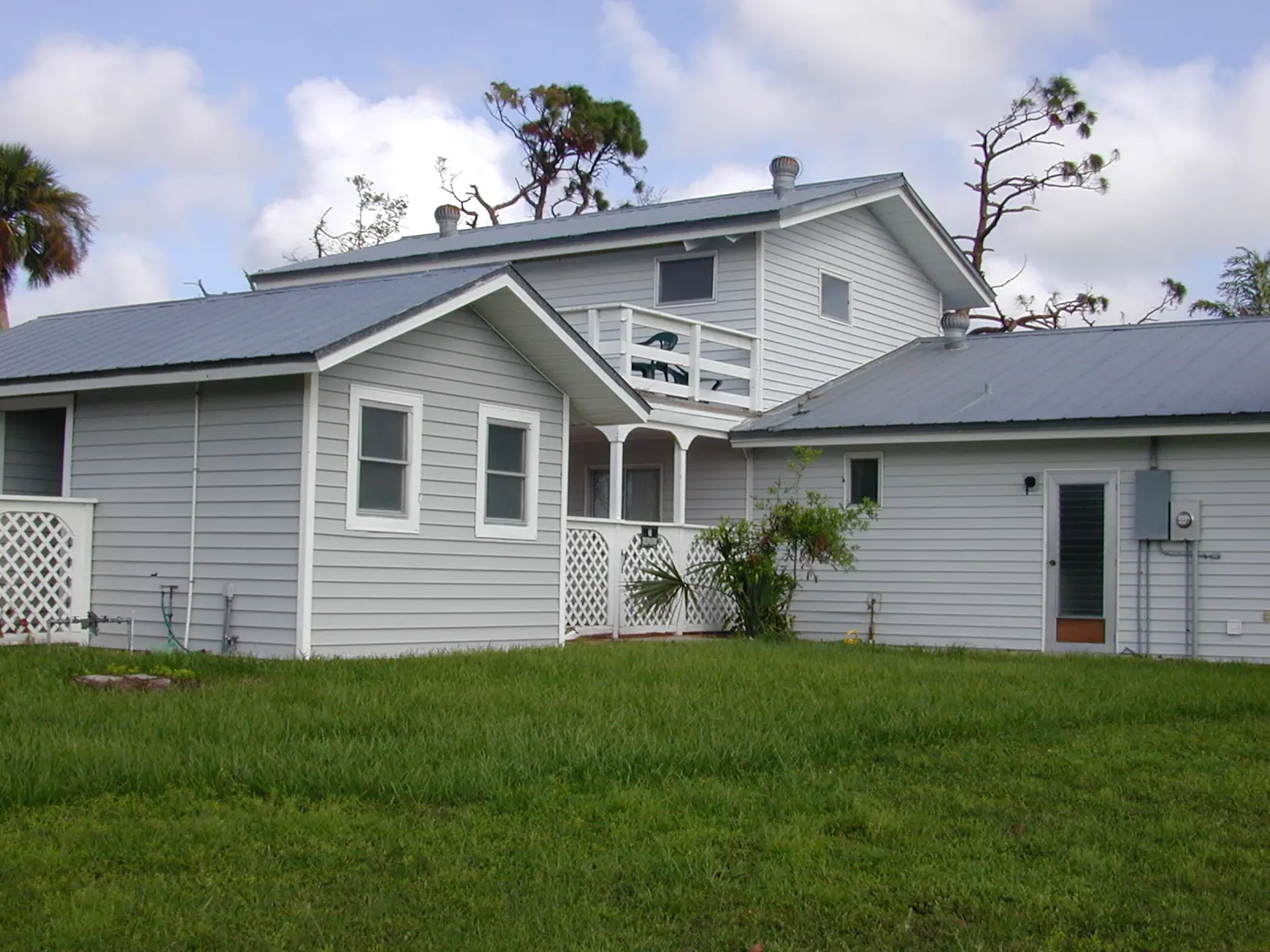
Photo: Hurricane Charley Damage in Punta Gorda and Port Charlotte, Florida - DPLA - c65839906deadece60a09f6497ea563e by Department of Housing and Urban Development. Office of the Chief Human Capital Office. Office of Broadcasting Operations, Public domain, via Wikimedia Commons
Before a grapple truck arrives in Daytona, focus on making the material visible, reachable, and clearly separated from anything that should remain. A few practical checks can reduce confusion when the truck arrives and help you identify questions before pickup day. Because no two properties or debris piles are identical, confirm the material, placement, access, and other pickup details directly with Daytona Grapple Trucks before relying on a general checklist.
Confirm What Is Being Picked Up
Start by identifying exactly what you want removed. Walk around the pile and look for items that may have been added accidentally, hidden underneath other material, or placed nearby for a different purpose. Do not assume that every type of material belongs in the same pile. Instead, describe the contents when you speak with Daytona Grapple Trucks and ask whether anything should be separated or handled differently.
It is useful to note whether the pile contains branches, bulky pieces, loose debris, mixed materials, or objects that are difficult to see. This is not a substitute for direct confirmation. It simply helps you give a clear description. If another person has been collecting material on the property, review the pile together so everyone understands what is intended for pickup.
Take current photos from several angles if you need help explaining the pile by phone. Accurate information supports a more productive conversation and reduces the chance that an important detail will be overlooked.
Choose A Clear And Reachable Pile Location
Placement matters because the truck must be able to approach the material without unnecessary obstructions. Before moving anything, call to confirm where the pile should be placed. Property layouts vary, and a convenient spot for you may not provide suitable access for a truck.
Look at the route from the street or entrance to the pile. Consider gates, parked vehicles, low branches, utility features, landscaping, fences, mailboxes, and other fixed objects. Avoid positioning material where it blocks traffic, sidewalks, drainage, or access needed by neighbors and other vehicles. Do not place debris against a building, fence, tree, utility box, or an item that must not be damaged or removed.
Keep the intended pickup material together rather than scattering it across several areas unless a different arrangement has been confirmed. If you are uncertain about the best location, describe the property and ask for guidance before building a large pile that would be difficult to relocate.
Separate Debris From Items That Must Stay
A clear boundary between pickup material and personal property helps prevent misunderstandings. Move tools, hoses, planters, toys, outdoor furniture, decorations, lumber you intend to keep, and reusable materials away from the pile. If an object is close enough to appear included, relocate it rather than relying only on a verbal explanation.
Use this final sorting checklist before the scheduled arrival:
- Remove personal belongings and anything you plan to reuse.
- Separate materials that have not been confirmed for pickup.
- Check underneath and behind the pile for hidden objects.
- Keep pets and children away from the preparation area.
- Make sure gates or access points are ready as discussed.
- Photograph the finished pile and surrounding area for reference.
Avoid attaching signs, ropes, tarps, or markers unless you have confirmed that they are appropriate. The simplest approach is usually a distinct pile with ample separation from everything else. Review it in daylight when small or partially covered items are easier to identify.
Inspect The Access Route And Nearby Hazards
Walk the expected access route as if you were seeing the property for the first time. Check the ground and the space overhead. Visible clearance does not automatically mean the route is suitable, so report concerns instead of making assumptions.
Pay particular attention to overhead lines, tree limbs, roof edges, narrow gates, soft ground, steep or uneven areas, low structures, and vehicles that could restrict movement. Do not move, touch, or work near utility lines. If you notice a utility-related concern, explain it when confirming the pickup and contact the appropriate authority when necessary.
On pickup day, move vehicles and portable obstacles only as previously discussed. Keep people and animals away from the truck and working area. Avoid making last-minute changes to the pile location without communicating them. Weather or recent ground conditions may also change how accessible an area appears. If conditions differ from when you arranged the pickup, call before arrival so the change can be discussed calmly.
Confirm Details Before Pickup Day
Finish your preparation by confirming the practical details directly with Daytona Grapple Trucks. Be ready to provide the property address, a description of the material, the pile location, access information, and any visible obstacles. Mention gates, parking limitations, overhead concerns, or changes to the pile. Ask whether someone needs to be present and whether there are any additional preparation instructions for your situation.
Cost questions are also easier to discuss when your description is complete. For more context before calling, read about grapple truck pickup cost factors in Daytona Beach. That supporting guide can help you organize the information you may want to discuss, but only a direct conversation can address the details of your pickup.
Do a final check shortly before arrival. Confirm that nothing new has been placed in or beside the pile, access remains open, and the surrounding area is clear. Keep your phone available in case communication is needed.
Discuss Your Pickup Preparation
If you are deciding where to place material or what details to confirm, call Daytona Grapple Trucks at (386) 481-7913. Describe the pile and property access so you can ask focused questions before the truck arrives.
Call (386) 481-7913 to talk through next steps.