
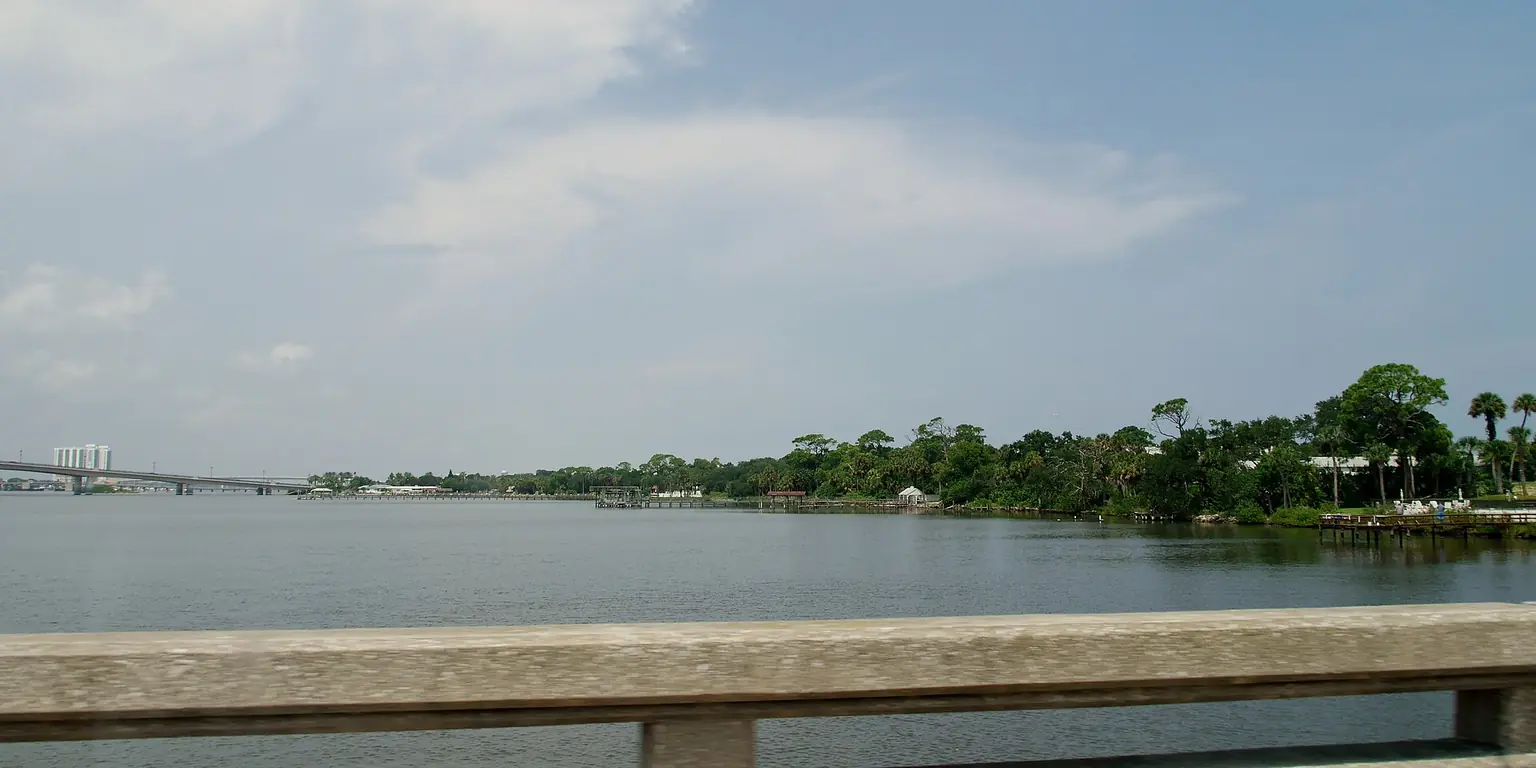
Photo: Halifax River, Daytona Beach - panoramio by qwesy qwesy, CC BY 3.0, via Wikimedia Commons
Property cleanup can quickly become a transportation problem when branches, logs, storm debris, or bulky outdoor waste pile up. Daytona Grapple Trucks provides efficient debris hauling for residential, commercial, and managed properties throughout Volusia County, Florida. A grapple truck can collect large, irregular material directly from an accessible staging area, reducing the need for extensive hand loading.
Understanding grapple truck service areas in Volusia helps property owners, contractors, community managers, and maintenance teams plan cleanup with fewer delays. Service availability depends on the job location, material type, volume, access, and current scheduling, but coverage extends across many coastal and inland communities in the county.
Communities Served Across Volusia County
Volusia County includes dense coastal neighborhoods, rural parcels, commercial corridors, and growing inland communities. Each setting presents different hauling needs. Coastal properties may need help after heavy winds, while larger inland lots often generate substantial brush, tree limbs, and land-maintenance debris.
Daytona Grapple Trucks serves customers in and around Daytona Beach, Daytona Beach Shores, Holly Hill, Ormond Beach, Ormond-by-the-Sea, Port Orange, South Daytona, Ponce Inlet, and New Smyrna Beach. Service may also be available for projects in Edgewater, Oak Hill, DeLand, Orange City, DeBary, Lake Helen, Deltona, Pierson, and other nearby parts of Volusia County.
Because routes, disposal requirements, and access conditions vary, customers should confirm availability for their exact address. Providing the location and a few clear photos can make the initial conversation more productive.
Debris Suited For Grapple Truck Collection
Grapple trucks are designed to lift and load materials that are difficult to handle with ordinary pickup trucks or small trailers. A hydraulic grapple reaches from the truck and places debris into a large hauling body. This equipment is particularly useful when materials have already been gathered into an accessible pile.
Common projects may involve:
- Tree limbs and brush: Branches, shrub trimmings, palm fronds, and similar vegetative material from pruning or property maintenance.
- Logs and sections of trees: Heavy wood that may be impractical to lift by hand, subject to size, weight, and access limitations.
- Storm debris: Outdoor material left after wind and severe weather, provided it can be safely handled and transported.
- Lot and property cleanup: Accumulated natural debris from yards, vacant parcels, rental properties, and managed communities.
- Bulky outdoor waste: Certain large nonhazardous items that are accepted by the appropriate disposal facility.
- Contractor-generated debris: Approved materials from landscaping, tree work, exterior cleanup, or site-maintenance projects.
Materials should be described accurately before scheduling. Concrete, dirt, roofing, mixed construction waste, appliances, tires, chemicals, paint, fuel containers, batteries, and other regulated or unusually heavy items may require separate arrangements. Not every load belongs in the same truck or disposal stream.
How Coastal And Inland Service Needs Differ
Along the Atlantic coast, properties are often closer together and may have narrow streets, limited parking, overhead utilities, or restricted staging space. These conditions can affect where debris is placed and whether the truck can operate safely. Condominiums, hotels, homeowner associations, and commercial properties may also have access rules or preferred service times.
In inland Volusia communities, projects may involve longer driveways, larger lots, wooded acreage, or unpaved access. Although there may be more room to stage debris, soft ground, low branches, gates, drainage features, and private-road conditions can still influence service.
Florida weather is another practical consideration. Saturated ground can reduce safe access for heavy equipment, and active storms may change schedules. Customers can help by identifying hard, stable access and keeping the work zone clear of parked vehicles.
Preparing A Debris Pile For Pickup
Good preparation supports a safer and more efficient visit. The truck must be able to approach the pile, deploy its grapple, and leave without damaging nearby structures or encountering preventable hazards. The best placement is not always the curb, especially when utility lines, traffic, drainage swales, or local rules are involved.
Before pickup, customers should separate materials when requested and avoid mixing prohibited waste into vegetative debris. Keep piles away from mailboxes, fences, fire hydrants, parked cars, septic components, and low overhead lines. Do not place debris where the truck would need to block a busy roadway without proper arrangements.
It is also helpful to estimate the amount of material honestly. Photos taken from multiple angles can show pile length, height, and surrounding access. Include a familiar object for scale when possible. If the material changes after an estimate, notify the hauling company before arrival.
Projects For Homes, Businesses, And Managed Properties
Grapple truck hauling is useful beyond one-time residential cleanup. Landscaping companies and tree professionals may need debris removed after completing work. Property managers can use scheduled hauling to address accumulated brush at rentals, multifamily communities, or commercial sites. Homeowner associations may need coordinated pickup after common-area maintenance or a significant weather event.
Businesses should identify loading zones, gate codes, operating hours, and site contacts in advance. For community projects, one authorized person should confirm pile locations and material types. Clear communication prevents unrelated debris from being added and helps keep the scope manageable.
Municipal collection rules vary by city and unincorporated area. Private grapple truck hauling can be a practical option when material does not fit routine collection limits, when a project has its own deadline, or when a property needs direct scheduling. Customers remain responsible for following local placement rules and association requirements.
What Affects Scheduling And Pricing
Pricing is generally influenced by debris volume, material weight, disposal category, travel, equipment time, and site access. A clean pile of branches may be handled differently from a mixed load that requires sorting or specialized disposal. Multiple piles spread across a property can also require more operating time than one organized staging area.
Scheduling may vary during hurricane season, after major storms, and during periods of widespread tree maintenance. Booking early can help when a project has a firm completion date. For urgent cleanup, explain the timing needs, but allow for weather, disposal facility hours, and safe operating conditions.
Request Service In Your Part Of Volusia
Whether the project is near Daytona Beach, along the coast, or in an inland Volusia community, the first step is to confirm the address, debris type, approximate volume, and truck access. Daytona Grapple Trucks can review those details and discuss whether grapple collection is appropriate for the job.
For calm, straightforward help planning debris hauling, call Daytona Grapple Trucks at (386) 481-7913. Have the service address and photos available so the team can better understand the project and confirm coverage in your area.
Call (386) 481-7913 to talk through next steps.