A land clearing debris haul removes brush, limbs, and other agreed yard waste after clearing work; in South Daytona, plan the haul before you build the pile. Share photos, note heavy pieces, and check truck access; Daytona Grapple Trucks can discuss your debris and pickup needs at (386) 481-7913.
Clearing a lot creates more work than cutting plants alone; once trees and brush come down, the loose waste needs a plan; a clear work area helps you see the ground and plan what comes next.
The right haul plan starts with the pile, the path, and the load; each affects how pickup may work; this guide explains what to check before you request service.
Planning Land Clearing Debris Haul
A land clearing debris pickup starts with a review of your pile and site; a grapple truck uses a powered grab to lift loose material. Ask about accepted debris through Daytona Grapple Trucks before work starts; pile size, branch length, heavy roots, and truck reach can shape the pickup plan. Review bulk yard waste planning.
A grapple can lift bulky brush that takes time to load by hand; still, a truck needs room to approach and work. A pile that looks easy from your porch may be hard to reach from the road.
The hauling plan should match the clearing work; small shrubs leave a different load than large tree trunks; roots with soil attached can add weight without adding much visible bulk.
Start by describing what was cut or removed; say if the pile has fresh brush, old wood, stumps, or vines; note any building waste or household items mixed into the load.
Photos help show the shape of the work; take one wide shot of the site. Then take close views of large pieces and the access path; include the street approach if it can be photographed safely.
A photo cannot show every hidden item or ground condition; the crew may need more details before confirming the job; ask what must be reviewed on site and what can be settled by phone.
- Tell the hauler which plants, limbs, and roots make up the pile.
- Share clear photos that show the whole pile and nearby access.
- Point out heavy logs, buried roots, or soil stuck to stumps.
- Ask which mixed items need their own pickup or disposal plan.
Do not treat truck capacity as a simple pile count; loose branches hold lots of air between them; dense logs may weigh much more than a brush pile of the same size.
Ask how the quote accounts for those differences; clear details help both sides discuss the same job; they can also reduce confusion if the pile changes before pickup.
What debris should you sort before hauling?
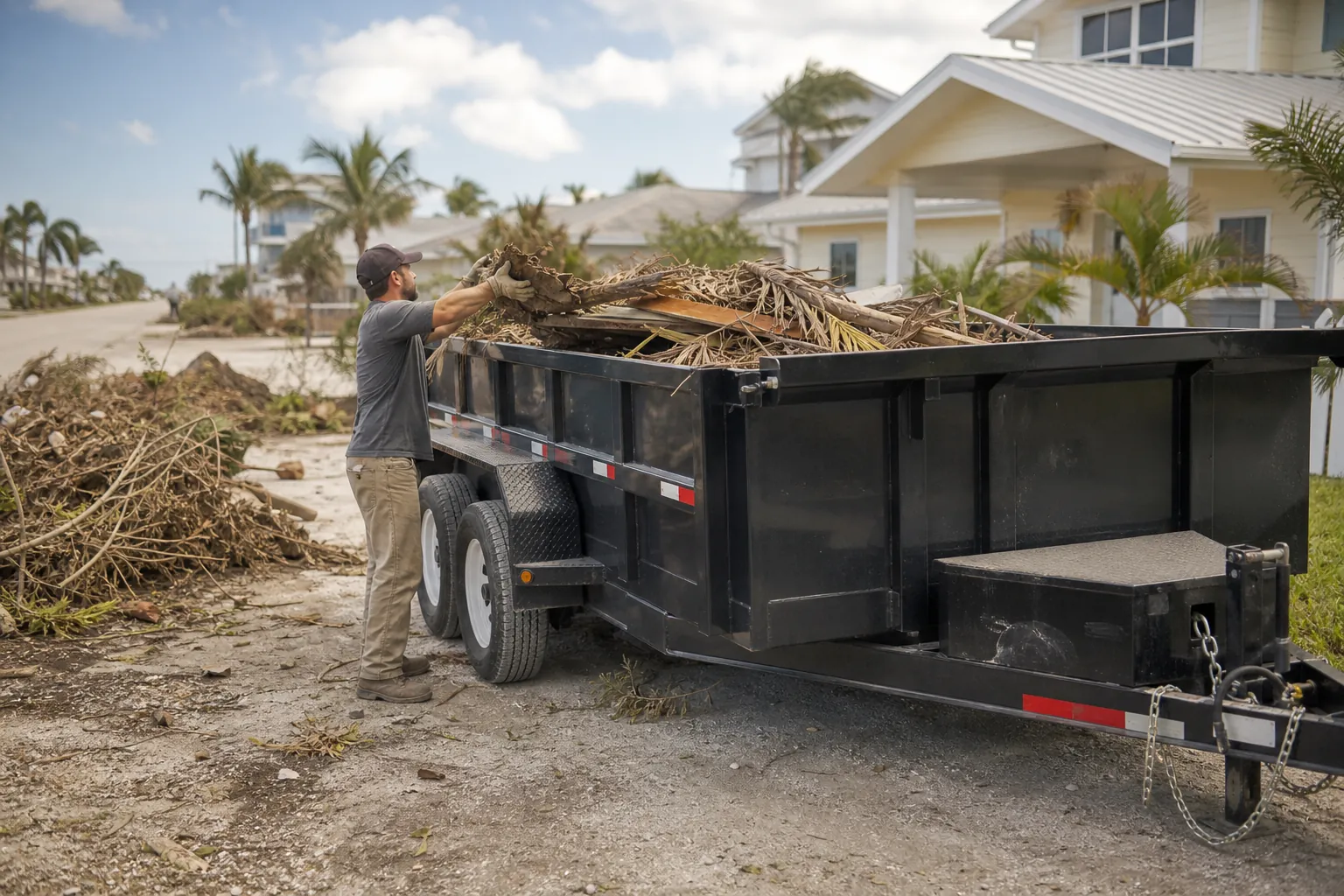
Sort land clearing waste by material before you move it into one large pile; keep brush and wood apart from trash, metal, and building debris. Ask Daytona Grapple Trucks which materials it can accept; do not assume that every item found during clearing belongs in the same truck load. Review grapple truck access planning and bulk yard waste planning.
Lots can hide waste under dense plants; you may find wire, broken glass, old fencing, or dumped containers; stop and check those items before moving them with brush.
Keep sharp scraps away from areas where people walk; avoid reaching into dense piles with bare hands; a branch pile can hide objects that are hard to see.
Wood with paint or chemical treatment needs a separate discussion; it is different from fresh branches cut from a tree; tell the hauler if fence boards or deck pieces are present.
Stumps deserve their own review, too; size matters, but attached soil matters as well; a large root ball may need a different loading plan than loose limbs.
Do not put fuel, oil, batteries, or unknown liquids into brush piles; keep suspect containers closed and away from the work area when safe; ask the proper local waste office how to handle them.
You do not need to guess the name of each plant; plain descriptions and photos are useful; tell the hauler if the waste includes thick vines or tangled roots.
Keep the sorted groups clear as work continues; a separate pile loses its value if later loads mix everything together; share the sorting plan with anyone helping clear the property.
If you cannot safely separate an item, say so; do not lift heavy pieces just to make the pile look neat; the pickup plan should account for the site as it stands.
Sorting is a planning step, not proof that a material is accepted; confirm the final list with the hauling team; keep any unapproved items out of the agreed load.
Where should you place the brush pile?
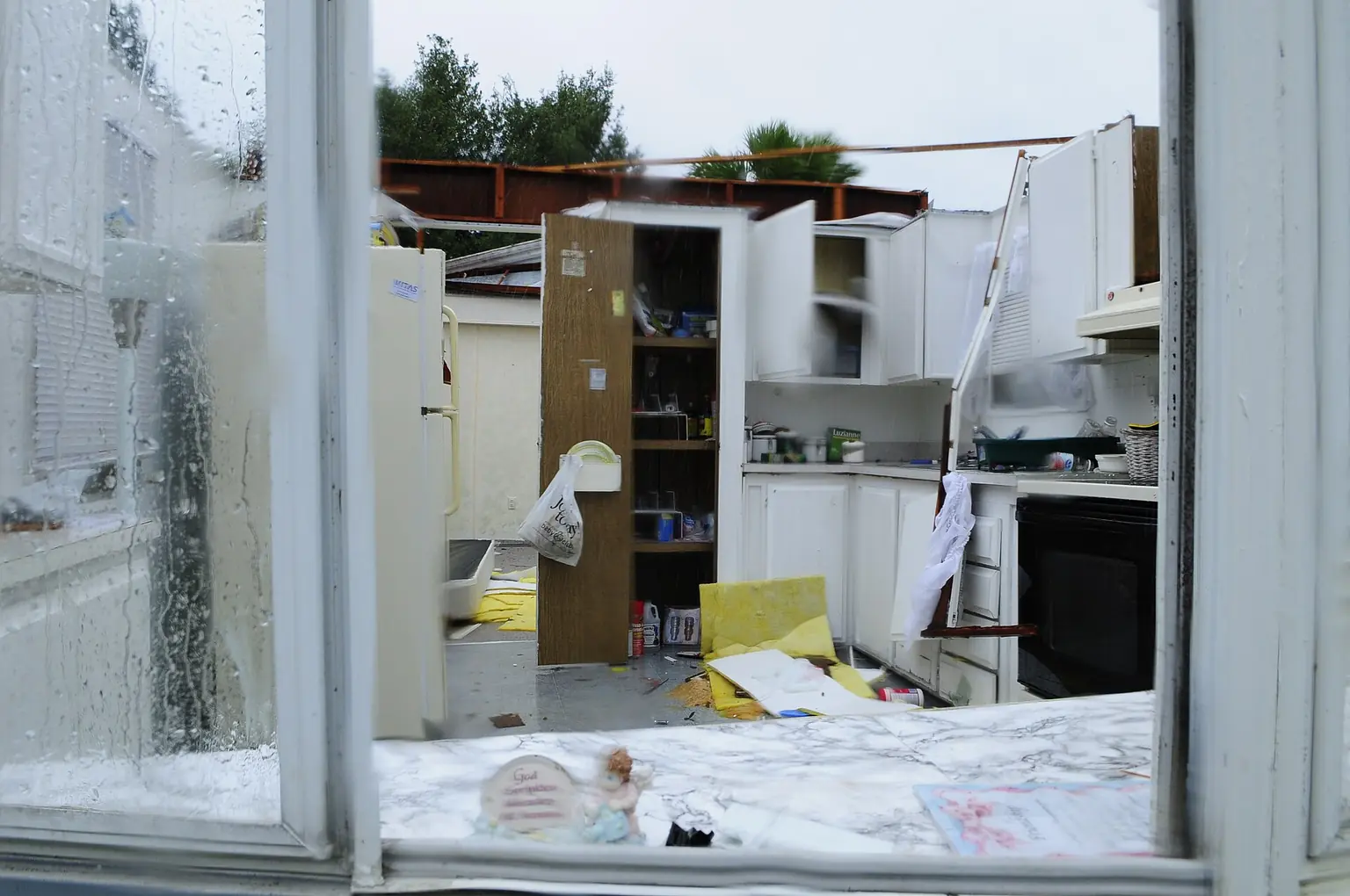
Place the brush pile where the truck can safely reach it without blocking travel; confirm the spot with the hauler before moving a large load. Keep debris clear of wires, drains, and fixed objects; the best location depends on truck reach, road access, ground strength, and the space available.
A close pile is not always a safe pile; overhead lines can limit where lifting equipment may work; low branches, roof edges, and poles may also affect the setup.
Look at the whole path from the street to the load; check gates, corners, slopes, and parked vehicles; a truck needs more room than a car or small trailer.
Ask before placing debris in a street or public right of way; pickup plans do not replace local rules; confirm any needed permission with the relevant office or property owner.
Keep sidewalks and shared paths open; neighbors should not have to step into traffic to pass the pile; leave access for mail delivery and emergency vehicles as well.
Do not stack branches against fences or walls; the grab needs space to work around the load; tight piles beside fixed objects can make pickup harder.
Protect drainage paths in South Daytona, especially before forecast rain; loose debris can shift or wash toward a drain; keep the pile away from swales and drain openings.
- Choose a pile spot that leaves roads and walking paths clear.
- Check for overhead wires before you stack limbs near the pickup area.
- Leave space between the pile and nearby fences, walls, or parked cars.
- Tell the hauler about gates, tight turns, and steep ground before scheduling.
- Confirm permission before using land or access that belongs to someone else.
Soft ground needs extra care after rain; a route that was firm during clearing may change by pickup day; tell the hauler about standing water or deep tire ruts.
If the proposed spot raises concerns, ask for another option; moving the pile twice adds work and risk; a short planning call may help avoid that problem.
What details affect the haul quote?
The haul quote depends on more than the visible pile size; material type, weight, access, and loading time can all matter. Give Daytona Grapple Trucks a clear account of the work; ask what the price includes, what may change it, and how extra debris will be handled before pickup. Review grapple truck access planning and bulk yard waste planning.
Measure the pile if you can do so safely; share its rough length, width, and height; these details help describe the scale without relying on a close photo alone.
Label those measurements as estimates; branches leave open space, and piles rarely form neat boxes; the hauler may still need to review the load.
Heavy material can affect a quote in ways that size cannot show; thick logs and soil-covered roots deserve a clear mention; do not hide them under a layer of lighter brush.
Access can also affect the amount of work; a pile beside an open loading area differs from one behind a narrow gate; explain any limits before asking for a firm scope.
Ask if cutting or moving material is included; hauling and clearing are different tasks; do not assume the crew will cut standing trees or dig out roots.
Make sure the quote covers the agreed debris only; if clearing continues after the quote, send new photos; more material may require a revised price or pickup plan.
Ask how payment and schedule changes work; get the agreed scope in writing when possible; keep the photos and messages used to describe the original pile.
A useful quote should leave you with a clear next step; you should know what to prepare and which items to hold back; if a detail seems unclear, ask before the truck arrives.
There is no useful single price for every cleared lot; two piles can look alike and need different handling; good site details are the best starting point for a meaningful estimate.
How can you prepare for pickup day?
Prepare for pickup by keeping the agreed load and access path clear; finish any planned sorting before the truck arrives. Share new photos if the pile has grown or shifted; keep people and pets away from the loading area, and let the operator direct the work from a safe position.
Move vehicles that block the planned truck route; check with others who use a shared drive; make sure a gate can open fully and remain secure.
Keep children and pets indoors or in another safe area; do not stand beside the pile during loading; loose limbs may shift as the grab lifts them.
Never try to guide branches into moving equipment by hand; follow the crew's directions on where to wait; speak with the operator only when it is safe.
Mark known hazards without entering unsafe areas; tell the crew about septic features, buried services, or weak pavement near access; do not assume the operator can spot them.
If you do not know what lies beneath the route, say so; do not make guesses about what the ground can support; site limits should remain part of the loading decision.
- Clear parked cars and loose tools from the planned truck approach.
- Keep pets and children away from the pile throughout the pickup.
- Tell the crew about ground hazards before any equipment moves into place.
- Send updated photos if more debris has been added since the quote.
- Stay outside the loading area and follow the operator's safety directions.
Watch the forecast, but ask the hauler about schedule effects; rain does not affect every site in the same way; soft ground or poor access may require a change.
After pickup, inspect the area once the crew says it is safe; check for small scraps and any debris outside the agreed scope; discuss those items before assuming they were included.
How should you plan the next stage of cleanup?
Plan the next stage around what remains after the agreed haul; removing loose debris does not finish every part of lot work. Roots, uneven soil, and small scraps may still need care; check the site before bringing in new crews, placing materials, or starting work that needs a clear surface. Review grapple truck access planning and bulk yard waste planning.
A hauled pile can reveal issues that were hidden before; walk the site with care once loading has ended; look for holes, sharp scraps, and low areas that collect water.
Do not assume stump removal was part of hauling; a loose stump and a rooted stump are different jobs; review what was included before arranging more work.
Think about the order of each remaining task; grading may come before planting or new access work; more cutting may create another pile that needs a later haul.
If your project has several stages, discuss that early; a single pickup may not match an ongoing clearing schedule; ask about options without assuming future dates are open.
Take fresh photos after each stage of work; they help show what remains and what has changed; keep them with your notes about the next planned pickup.
Keep neighbors informed if access or noise may affect them; clear communication can help reduce avoidable disputes; it does not replace any permission your project requires.
Before the next crew arrives, confirm that their route is clear; check that leftover debris will not block their tools or trucks; a clean path makes the handoff easier.
Frequently asked questions
Can brush and stumps go in the same load?
That depends on the accepted materials and the stump details; share photos and note any attached soil. Ask about size or handling limits before you mix the pile; keep uncertain items separate until the hauling team reviews them.
Do I need to cut every branch into short pieces?
Ask the hauler before doing extra cutting; the needed length depends on the equipment and loading plan. Long, tangled limbs may need preparation; do not use cutting tools beyond your skill or work near live wires.
Can the truck collect debris from my backyard?
Backyard pickup depends on safe access and equipment reach; gates, ground strength, and overhead hazards can limit the plan. Send photos of the route and pile; do not assume the truck can enter because a car can.
Is hauling the same as full land clearing?
No; hauling removes the debris covered by the agreed scope. Cutting trees, removing rooted stumps, and grading soil are separate tasks. Ask which work is offered and included before booking; this helps keep your project plan clear.
What should I have ready when I call?
Have your South Daytona address, pile photos, and a brief material list ready; note access limits and your preferred timing. Mention heavy roots or mixed waste; call (386) 481-7913 to discuss the load with Daytona Grapple Trucks.
Ready to plan your cleanup? call Daytona Grapple Trucks at (386) 481-7913. Share what is in the pile and where it sits; ask about accepted materials, access needs, and the next step for your South Daytona property.
The EPA disaster debris planning guidance distinguishes debris streams and recommends planning before a disaster. For current local collection information, use Volusia County Solid Waste and Recycling. Public collection rules do not establish private-hauler acceptance, site permissions, or eligibility for reimbursement. Confirm those details separately for your property.
The EPA guidance on debris and damaged buildings describes electrical and hazardous-material risks. Keep clear of fallen electrical equipment and seek qualified guidance for suspect materials. This service-planning article does not establish that any load is safe or accepted.
Call (386) 481-7913 to talk through next steps.