
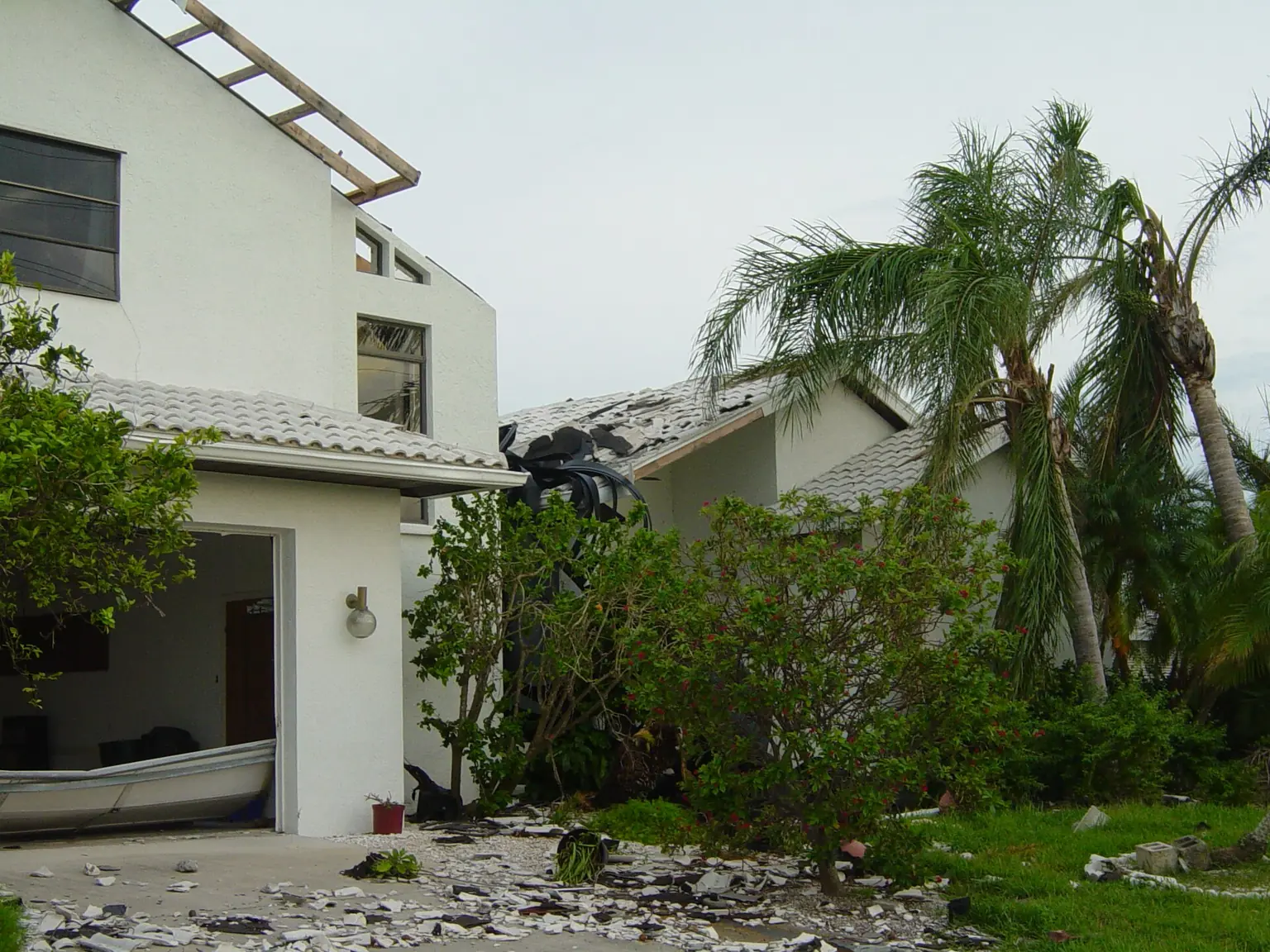
Photo: Hurricane Charley Damage in Punta Gorda and Port Charlotte, Florida - DPLA - 7caa7018e0297aada86f82bb1198fde4 by Department of Housing and Urban Development. Office of the Chief Human Capital Office. Office of Broadcasting Operations, Public domain, via Wikimedia Commons
A mixed debris pile may look ready for pickup, but separating its contents can make the next step easier to plan. Before arranging debris pickup in Daytona Beach, identify what is actually in the pile, keep questionable materials apart, and describe the load clearly. This guide explains how to organize yard waste, wood, and renovation debris without assuming what a provider can accept.
Start by Identifying Everything in the Pile
Walk around the pile before moving anything. Look from more than one side because heavier or less visible materials may be buried beneath branches, boards, or loose scraps. Write down the main material groups you see rather than describing the entire pile as “junk.” Useful categories may include leaves and branches, untreated or painted wood, drywall pieces, flooring, cabinets, packaging, metal, and unidentified items.
Pay attention to materials that change the character of the pile. Soil, concrete, roofing material, glass, liquids, appliances, and containers with unreadable labels should not be casually grouped with ordinary yard or renovation debris. Their presence should be disclosed when you call, even if they represent only a small portion of the load.
Do not open sealed containers or handle sharp, leaking, dusty, or unstable objects simply to identify them. Keep them isolated and ask about the appropriate next step. Accurate identification helps you have a productive conversation before pickup arrangements are made.
Separate Yard Waste From Construction Materials
Yard waste is easier to describe when it is not tangled with renovation debris. Place branches, leaves, brush, and similar plant material in a distinct area when you can do so safely. Keep boards, drywall, cabinetry, flooring, packaging, and other project remnants in a separate pile. This basic division makes the volume and composition of each group easier to assess.
Separation is especially useful when a cleanup has happened in stages. For example, trimmed vegetation may have been placed beside leftover lumber and room-remodeling scraps. Without sorting, the pile can appear larger and less predictable than it is. It may also conceal nails, broken edges, or heavy pieces beneath light branches.
Do not burn, bury, or break materials into smaller pieces merely to simplify the appearance of the load. Instead, create visible groups and leave enough space to inspect them. Before investing significant effort, call Daytona Grapple Trucks at (386) 481-7913 to discuss the pile and confirm how it should be prepared.
Use a Simple Sorting Plan Before Pickup
You do not need an elaborate system. The goal is to make the debris understandable, accessible, and easier to discuss. Choose a stable area that does not require carrying materials through unsafe ground. Keep piles from leaning against vehicles, buildings, fences, utility equipment, trees, or other features that could complicate access.
- Photograph the pile from several angles before sorting.
- Wear appropriate protection and avoid lifting beyond your ability.
- Group branches and plant material separately from renovation debris.
- Place wood in its own group when practical, noting painted, treated, or damaged pieces.
- Keep sharp, leaking, dusty, sealed, or unidentified items isolated.
- Estimate dimensions or count obvious large items.
- Keep vehicles, children, and pets away from the work area.
- Take updated photographs after separation.
Stop if the pile shifts, contains concealed sharp objects, or includes materials you cannot identify safely. A clear description is more valuable than forcing every item into a category. The final preparation plan should be based on a direct conversation about the actual debris.
Consider Access, Volume, and Load Composition
Debris type is only one part of pickup planning. Access to the pile matters as well. When you call, explain whether the debris is near a driveway, behind a gate, beside a structure, under overhead obstacles, or on soft or sloped ground. Mention parked vehicles, narrow approaches, utility features, and anything else that may limit a clear path. Do not assume a location is workable because another vehicle has reached it.
Provide practical measurements when possible. Approximate pile length, width, and height are more informative than terms such as “small” or “large.” Photos can also help communicate whether branches are loose, boards are stacked, or dense material is hidden beneath lighter debris.
Sorting can make these details easier to evaluate, but it does not establish acceptance, scheduling, or price. For a broader explanation of what may affect planning and cost, read grapple truck pickup cost factors in Daytona Beach. Use that information to prepare questions, then discuss your specific pile directly.
Confirm the Plan Before Moving the Debris
Before spending hours rearranging a mixed pile, call and explain what you have. Describe each material group, the approximate amount, the pile location, and any access concerns. Mention questionable items separately rather than placing them under a general label such as renovation waste. Ask whether additional separation is needed and where the debris should be positioned.
This conversation is also the time to clarify what information is needed to evaluate the job. Have current photos and rough measurements available. If the pile changes after your initial discussion, provide an update. Added soil, roofing material, concrete, furniture, or containers can make an earlier description inaccurate.
Avoid assuming that every item from a yard project or renovation belongs in the same pickup. Acceptance must be confirmed for the actual contents. Keep the site unchanged if moving materials would be unsafe, and explain the situation by phone. A calm, accurate review helps you decide whether to separate everything, create a few clear groups, or take another appropriate step.
Discuss Your Mixed Debris Pile
For help planning mixed debris pile separation in Daytona Beach, call Daytona Grapple Trucks at (386) 481-7913. Be ready to describe the materials, approximate pile size, location, and access conditions so the conversation can focus on your specific situation.
Call (386) 481-7913 to talk through next steps.