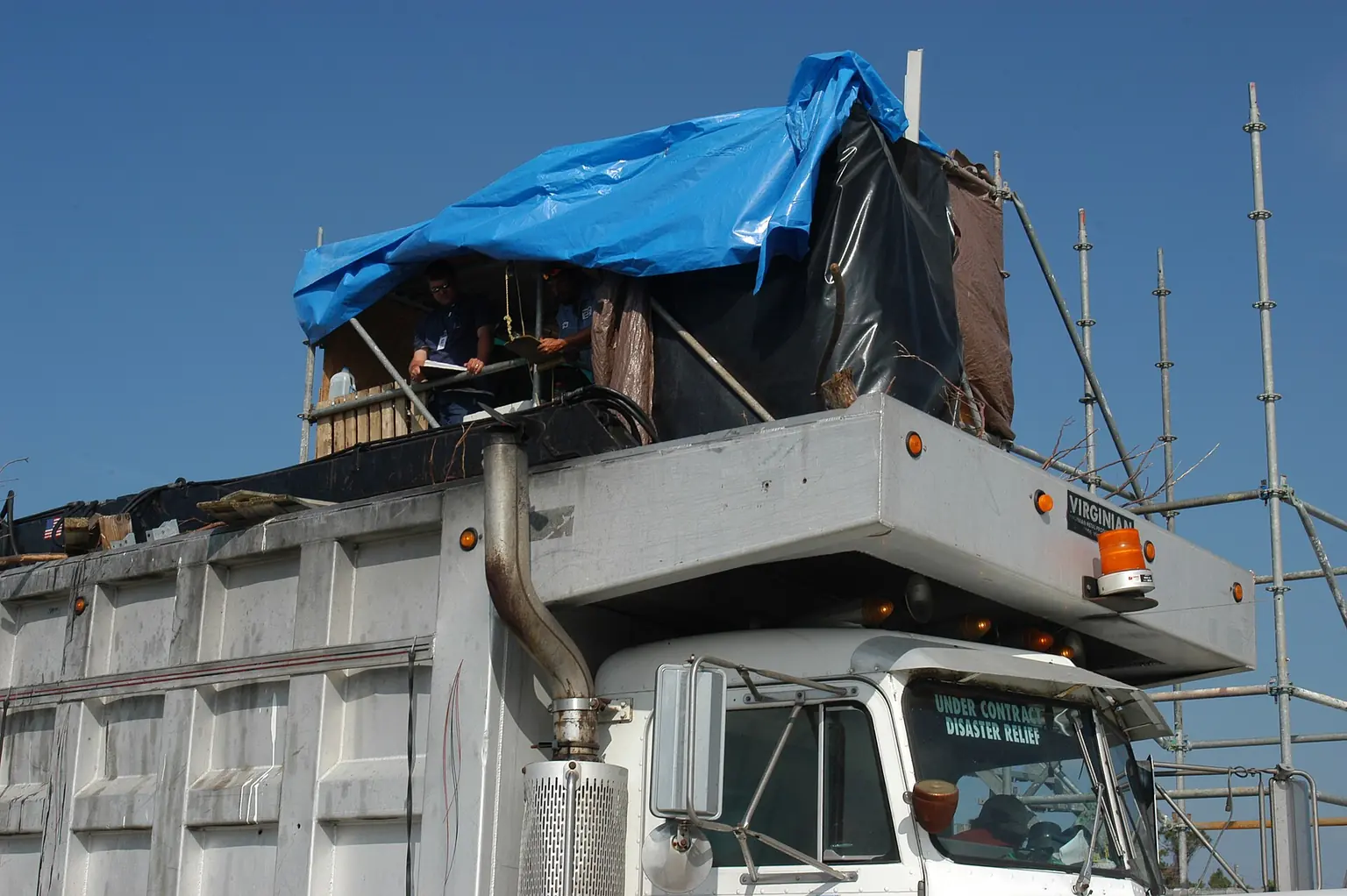
Photo: FEMA - 11867 - Photograph by Mark Wolfe taken on 10-27-2004 in Florida by Mark Wolfe, Public domain, via Wikimedia Commons
Understanding grapple trucks and their role in Florida
Grapple trucks are essential vehicles for debris removal, land clearing, and storm cleanup across Florida. Daytona Grapple Trucks, a trusted provider in the region, uses these versatile machines to haul away bulky waste, yard debris, and construction materials. However, there are important limitations regarding what a grapple truck can and cannot haul. Knowing these restrictions ensures compliance with state regulations and helps keep communities safe.
What grapple trucks are designed to haul
Grapple trucks are equipped with hydraulic arms and large open containers, making them ideal for handling:
- Tree limbs, logs, and brush
- Storm debris, such as fallen branches and scattered vegetation
- Construction and demolition debris (C&D), including wood, drywall, and concrete
- Bulk household items like furniture and appliances (with some exceptions)
- General yard waste
These trucks are vital after hurricanes or major storms, when rapid removal of debris is critical to restoring safety and accessibility in Florida neighborhoods.
What grapple trucks cannot haul in Florida
Despite their impressive capabilities, grapple trucks are not permitted to haul certain materials. Florida law and landfill regulations strictly prohibit the transport of the following items by grapple trucks:
- Hazardous waste: This includes chemicals, pesticides, paints, solvents, batteries, and medical waste. These substances require specialized handling and disposal at licensed facilities.
- Asbestos-containing materials: Asbestos poses significant health risks and must be managed by certified abatement professionals.
- Liquids and sludge: Grapple trucks are not designed to contain or transport liquids, including oils, fuels, or sewage sludge.
- Tires: Whole tires are not accepted at most landfills and must be recycled through specific programs.
- Electronics (e-waste): Televisions, computers, and other electronics contain hazardous components and must be recycled separately.
- Refrigerators and air conditioners with refrigerants: These appliances contain chemicals like Freon, which require certified removal before disposal.
- Propane tanks and pressurized cylinders: These items pose explosion hazards and are not accepted by grapple truck services.
- Dead animals or animal waste: Biological waste requires specialized handling for health and safety reasons.
- Household garbage (bagged trash): Regular household trash is typically collected by municipal waste services, not grapple trucks.
Attempting to dispose of these materials in a grapple truck can result in fines, environmental harm, or safety hazards for workers and the public.
Why these restrictions exist
The restrictions on what grapple trucks can haul are based on safety, environmental protection, and landfill regulations. Hazardous materials can contaminate soil and water, endanger workers, and disrupt landfill operations. Florida’s Department of Environmental Protection (FDEP) enforces these rules to ensure public health and the proper management of waste streams.
How to properly dispose of restricted items
If you have materials that grapple trucks cannot haul, there are safe and legal alternatives:
- Hazardous waste: Take to a county-run hazardous waste collection center or participate in special collection events.
- Electronics: Use certified e-waste recycling programs available in many Florida counties.
- Tires: Return to tire retailers or county recycling centers.
- Appliances with refrigerants: Arrange for certified removal of refrigerants before disposal.
- Propane tanks: Exchange at retailers or return to authorized recycling centers.
Contact your local solid waste authority for guidance on disposing of specific restricted materials.
Tips for preparing debris for grapple truck pickup
To ensure a smooth and efficient debris pickup in Florida, follow these tips:
- Separate eligible debris (yard waste, C&D, bulk items) from restricted materials.
- Place debris in accessible locations, away from power lines, vehicles, and mailboxes.
- Avoid mixing hazardous or prohibited items with general debris piles.
- Inform your grapple truck provider of any unusual items to confirm they are acceptable.
Proper preparation helps Daytona Grapple Trucks serve you quickly and safely, while staying in compliance with Florida regulations.
Why choose Daytona Grapple Trucks
Daytona Grapple Trucks is committed to providing reliable, compliant, and environmentally responsible debris hauling throughout Florida. Our experienced team understands state and local regulations, ensuring your cleanup project is handled efficiently and safely.
We offer flexible scheduling, transparent pricing, and expert guidance on what can and cannot be hauled. Whether you’re cleaning up after a storm, clearing land, or managing a construction site, we’re here to help.
Contact us for expert debris hauling in Florida
If you have questions about what grapple trucks cannot haul in Florida or need professional debris removal, call Daytona Grapple Trucks at (386) 481-7913. Our knowledgeable staff will help you navigate disposal options and schedule prompt service tailored to your needs.
Let us take the guesswork out of debris hauling—reach out today for safe, compliant, and efficient service across Florida.
Call (386) 481-7913 to talk through next steps.