
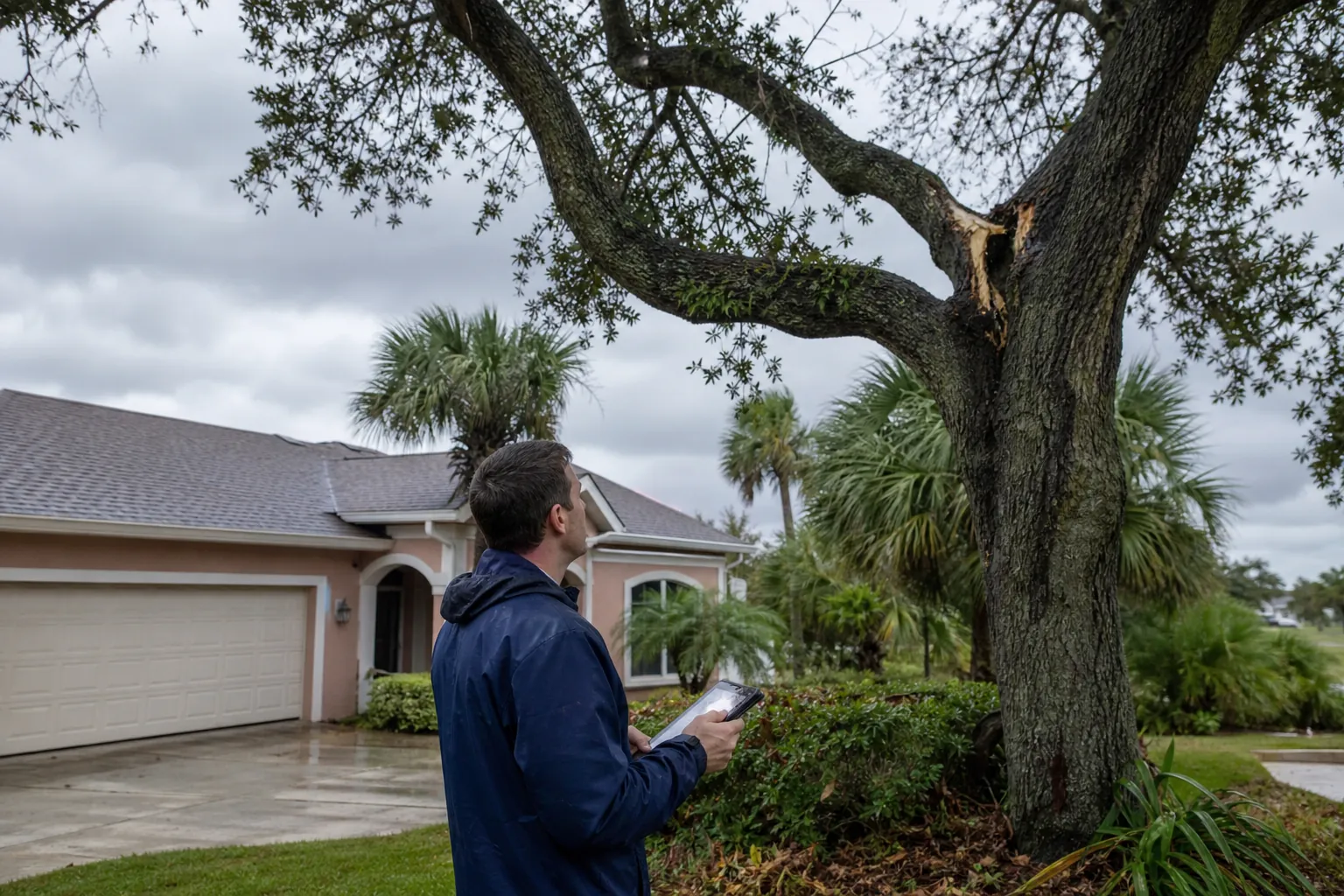
A prestorm tree assessment in Palm Coast should identify visible tree concerns, loose yard debris, drainage obstructions, and practical hauling access before conditions become unsafe. The goal is not to predict which tree will fail. It is to separate concerns that need a qualified tree professional from debris that can be organized for removal.
Daytona Grapple Trucks focuses on the debris-hauling side of that preparation. Tree diagnosis, pruning decisions, and removal recommendations require an appropriately qualified tree professional. For hauling questions, call (386) 481-7913 to confirm service availability for your address, accepted materials, and pickup requirements before scheduling tree work.
This guide provides evergreen hurricane-season preparation advice, not a current storm forecast or warning. Use current official weather information for decisions about when to stop outdoor work or follow emergency instructions.
What Should A Prestorm Tree Assessment Include?
A useful assessment covers the tree, its surroundings, and the material already on the ground. Start with a ground-level walk in safe weather, then record anything that needs professional evaluation or a hauling decision.
Look at trees near the house, driveway, parking spaces, fences, and regularly used paths. Notice dead-looking branches, hanging limbs, fresh splits, newly exposed roots, and changes in lean. These observations are reasons to seek professional advice, not enough information to diagnose structural stability yourself.
Next, check the ground. Old pruning piles, loose palm fronds, fallen branches, and scattered woody debris can complicate access and drainage. Document these separately from concerns about standing trees so each task reaches the right provider.
- Photograph visible concerns from a safe distance without standing beneath damaged branches.
- Record where each tree or pile sits in relation to buildings, wires, driveways, and drainage features.
- Identify loose material that can be collected safely without climbing, cutting, or using heavy equipment.
- Note whether the proposed pickup area is firm, accessible, and clear of overhead obstructions.
- Keep observations about tree condition separate from requests to collect material already on the ground.
A simple property sketch can help. Label the trees needing review, existing debris piles, and possible loading locations. This gives a tree professional and a hauling provider a clearer starting point without implying that either has already approved the work.
Which Tree Concerns Need A Professional Rather Than A Hauling Crew?
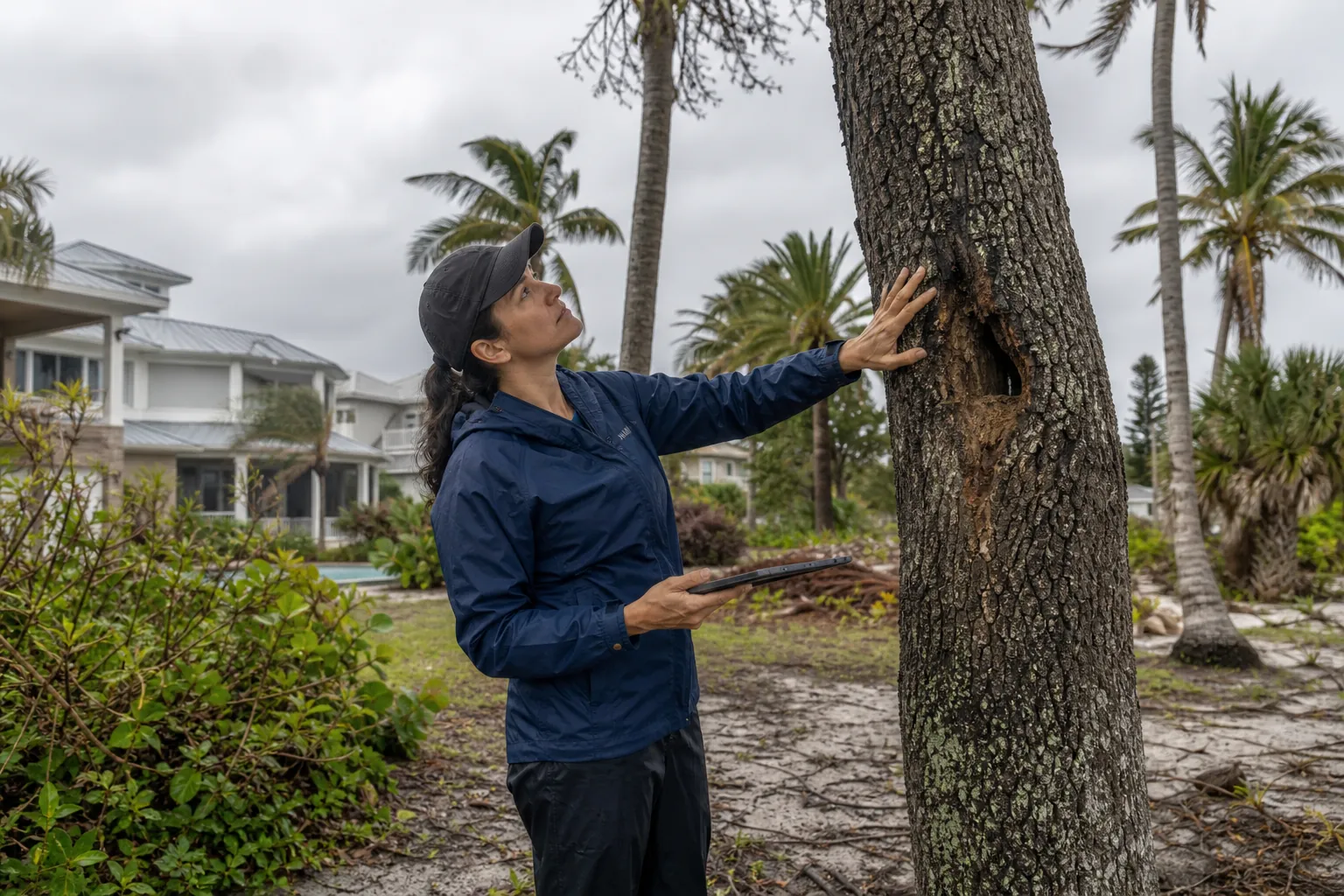
Standing-tree hazards, pruning choices, and questions about root or trunk stability belong with a qualified tree professional. A grapple truck handles agreed debris; it does not replace a tree assessment or make an unsafe tree safe.
Seek professional evaluation when you notice suspended branches, a substantial split, a sudden lean, or soil lifting near the base. Keep people and pets away from the affected area while arranging advice. Do not pull a hanging limb down with a rope or try to test a suspect trunk.
Branches near electrical lines require additional caution. Avoid touching the tree, debris, or any object in contact with a line. Contact the utility about line-related concerns, and use emergency services for immediate danger.
Do not assume that cutting more branches always improves storm readiness. The appropriate pruning approach depends on the tree and its condition. Ask the tree professional to explain the proposed work and how cut material will be handled.
- Ask whether the tree contractor's scope includes cutting, cleanup, loading, and disposal.
- Confirm who will arrange separate hauling if debris remains after the tree work.
- Discuss where cut material can be placed without blocking access or creating an overhead hazard.
- Request clear documentation of the work being proposed rather than relying on a general instruction to storm-proof the tree.
Keeping these responsibilities distinct prevents a common scheduling problem: completing pruning before anyone has confirmed how the resulting limbs and trunks will leave the property.
How Do You Turn The Walkthrough Into A Debris Plan?
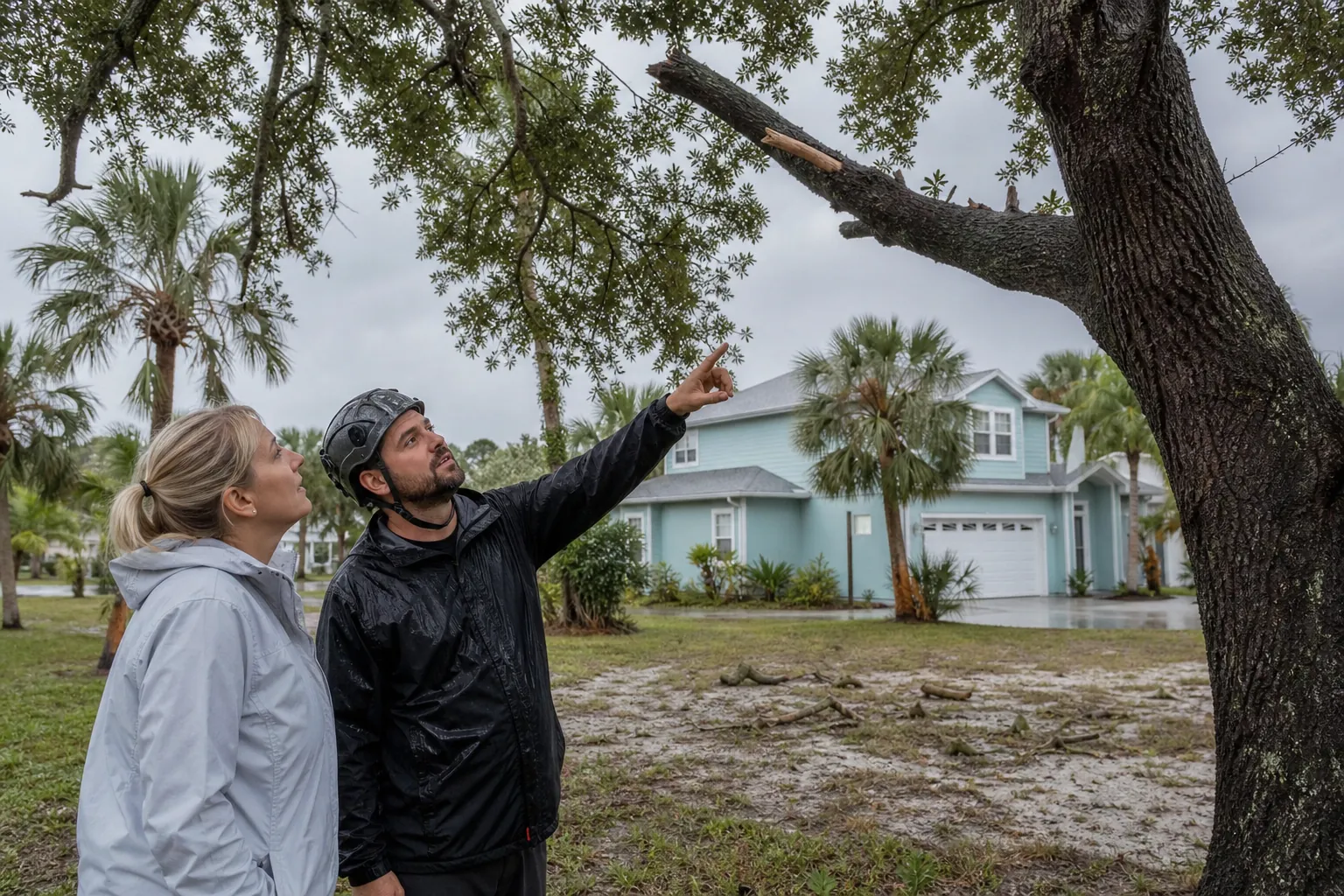
Turn your observations into a short sequence of decisions: address hazards, confirm material acceptance, choose an approved staging location, and coordinate pickup. A written plan is easier to share than several disconnected photos.
- Walk the property in safe conditions and identify areas you should avoid because of damaged trees, wires, or unstable ground.
- Arrange professional tree evaluation where needed before making cutting or removal decisions.
- Inventory existing debris by type, including branches, palm fronds, trunk sections, and stumps.
- Send overview photos and approximate dimensions to the hauling provider, then confirm what can be collected.
- Agree on a staging location and access requirements before moving material or directing a tree contractor.
- Coordinate the work sequence so cutting, pile preparation, and hauling do not depend on unconfirmed assumptions.
- Recheck the property after collection for small loose pieces and obstructed drains, staying clear of any unresolved hazards.
Assign one person to coordinate details if several contractors or household members are involved. That person should have the material list, access instructions, and agreed scope available.
For a related planning framework, see the prestorm yard debris hauling plan for Volusia County. Its geographic focus is different, but the task-ordering principles can help you prepare questions for your own property.
What Yard Debris Should You Identify Before Requesting Pickup?
Identify material by type rather than describing everything as yard waste. Branches, palm fronds, trunk sections, and stumps can present different handling questions, especially when pieces are bulky or mixed with other waste.
Describe the approximate length and diameter of larger pieces without moving them solely to measure. Photos with familiar objects nearby can help convey scale, provided you can take them safely.
Be explicit about soil, roots, fencing, bags, furniture, construction scraps, or other items mixed into a pile. Do not assume a tree-debris pickup includes every material on the property.
- List palm fronds separately from heavier palm trunk sections so the load is described accurately.
- Identify stumps and root balls, including whether soil remains attached.
- Point out oversized trunk sections before the crew arrives rather than assuming they can be handled.
- Disclose nonvegetative materials and ask whether they require separation or another disposal arrangement.
- Confirm whether bagged leaves or small loose debris fall within the proposed pickup scope.
The prestorm hauling material confirmation guide for Daytona Beach addresses acceptance questions in more detail. Separate guides cover palm frond debris removal and palm trunk debris pickup. These are material-specific resources, not a substitute for confirming your address and load.
Where Should Debris Be Staged For Grapple Truck Access?
Stage debris only after the hauling provider has reviewed the proposed location. A convenient spot for a homeowner may not provide suitable truck access, overhead clearance, or working room for loading equipment.
Describe the driveway, gate openings, roadside conditions, nearby trees, overhead lines, and any obstacles. Mention slopes, soft shoulders, drainage ditches, septic components, irrigation equipment, and other features that may affect access.
Do not place material beneath wires, against utility equipment, or over drainage openings. Keep walkways and necessary vehicle access clear. Avoid moving a pile into a public right-of-way unless you have confirmed applicable requirements with the responsible authority.
- Ask the hauling provider to approve the staging location before a tree crew creates the pile.
- Keep material away from mailboxes, hydrants, fences, parked vehicles, and fragile landscaping.
- Tell the provider about buried systems instead of assuming the visible surface tells the whole story.
- Report recent rain and soft ground so access can be evaluated before loading begins.
- Provide wide-angle photos that show the pile and the surrounding approach, not only close-ups of branches.
Do not drag heavy trunk pieces or attempt to build a taller pile just to save space. Ask how the material should be arranged. A manageable layout matters more than making the pile look compact.
If access is uncertain, discuss alternatives before committing to tree work. Moving cut debris twice adds effort and may introduce risks that an agreed staging plan could avoid.
How Do Heavy Rain And Drainage Affect Preparation?
Check drainage paths before adding a debris pile, and reassess access after rain. Yard preparation should preserve water movement and safe access rather than shift loose material into ditches, swales, or low areas.
Look for leaves and small branches around accessible surface drains. Remove only material you can handle safely from stable ground. Do not enter a flooded ditch or culvert, and do not attempt drainage repairs during hazardous weather.
Standing water can conceal holes, sharp debris, and changes in ground firmness. Keep people away from uncertain areas and tell the hauling provider if the proposed approach has become saturated.
If a pile already sits near a drainage feature, ask about a safer location while conditions allow. Do not push debris downstream or onto a neighboring property.
- Keep drain openings visible and avoid covering them with a newly consolidated pile.
- Record areas that remain wet so a proposed truck route can avoid them where possible.
- Check whether loose debris has migrated into paths or access points after rainfall.
- Delay outdoor work when lightning, unsafe wind, rising water, or official instructions make conditions hazardous.
These checks are general preparation steps. They do not indicate that any particular storm will cause flooding at your address, and they do not replace property-specific drainage advice.
How Far Ahead Should You Coordinate Tree Work And Hauling?
Coordinate as early as practical, before urgent weather preparation competes with routine tree work. No universal lead time applies to every property, load, or provider, so ask about availability rather than assuming pickup can follow immediately after cutting.
Start with the tree evaluation if the work depends on professional recommendations. Once the scope is clearer, discuss expected debris types, staging, and access with the hauling provider.
Avoid scheduling a large cutting job around an unconfirmed hauling date. If debris will remain temporarily, agree on where it can sit safely and who is responsible for keeping access and drainage clear.
When weather interrupts the plan, contact the providers to reassess the sequence. Do not rush cutting, lift heavy material alone, or remain outdoors just to meet an earlier schedule.
After collection, walk accessible areas again in safe conditions. Check for overlooked pieces, confirm that paths are clear, and keep unresolved standing-tree concerns on your follow-up list. Removal of a debris pile does not resolve the condition of nearby trees.
What Should Palm Coast And Corridor Property Owners Confirm?
Palm Coast property owners should confirm service availability for their specific address before treating this guide as a booking plan. Location-focused information does not establish a provider's service boundary or guarantee that a particular load is accepted.
The same preparation principles can inform regional planning in Jacksonville and Duval County, St. Augustine and St. Johns County, Daytona Beach and New Smyrna Beach in Volusia County, and Titusville, Cocoa, and Melbourne in Brevard County. These references are regional advice only, not a statement that Daytona Grapple Trucks serves every listed community.
Local collection arrangements and property restrictions may differ. Check with the responsible municipality, county, association, or property manager when placement or collection requirements are unclear. Do not copy a neighbor's staging arrangement without confirming that it fits your property and pickup method.
For a focused example involving cut branches, the tree limb pile removal guide for Ormond Beach discusses a narrower cleanup task. This Palm Coast pillar addresses the broader assessment and coordination process.
Frequently Asked Questions
Can I assess my trees without an arborist?
You can record visible concerns from the ground, but a homeowner walkthrough is not a professional tree-risk assessment. Ask a qualified tree professional to evaluate structural concerns and recommend any pruning or removal.
Does a grapple truck service prune standing trees?
Do not assume that it does. This guide treats tree work and debris hauling as separate scopes. Confirm each provider's responsibilities before arranging cutting or expecting the hauling crew to address standing branches.
Should I combine palm fronds, branches, and household junk?
No, not without approval. Describe each material category and ask whether separate piles are needed. Mixed loads can require a different plan, and household junk should not be assumed acceptable in a vegetation pickup.
Can the truck load debris from a wet yard?
That depends on actual access and ground conditions. Report saturation, standing water, and soft shoulders to the provider. Do not assume a truck can cross the lawn merely because there is enough physical space.
Should I put everything at the curb first?
No. Confirm the loading location and applicable placement requirements first. Premature staging can obstruct drainage, create access problems, or put material where the provider cannot safely collect it.
What information should I have ready when I call?
Have the property address, material types, approximate pile dimensions, overview photos, and access concerns ready. Explain whether cutting is complete or planned, and ask about availability, accepted materials, and staging before agreeing to pickup.
Ready To Discuss Your Debris-Hauling Plan?
Start with a safe walkthrough, get professional advice for standing-tree concerns, and confirm the hauling details before creating a large pile. That sequence makes responsibilities clearer and reduces avoidable last-minute handling.
Call Daytona Grapple Trucks at (386) 481-7913 to discuss your debris, confirm service availability for your Palm Coast address, and review access and material requirements. A clear description and a few useful photos can help establish the next practical step.
Call (386) 481-7913 to talk through next steps.