
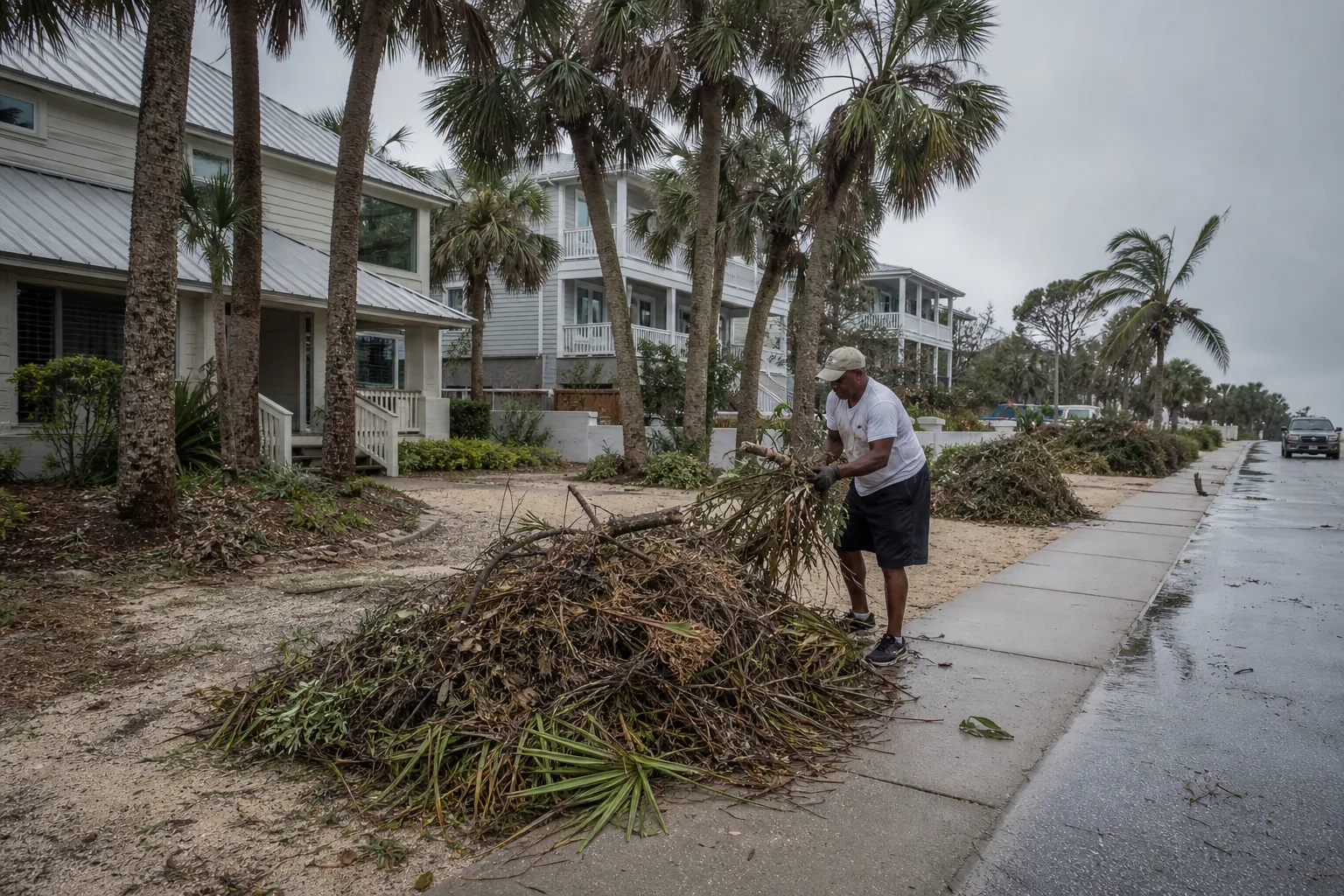
A prestorm yard debris hauling plan for Volusia County should identify what needs removal, separate acceptable materials, establish a safe loading location, and confirm pickup arrangements before weather makes outdoor work unsafe. Start with debris already on the ground rather than creating a large new pile through last-minute pruning.
For Daytona Beach, New Smyrna Beach, and other Volusia County properties, the practical goal is simple: reduce loose yard material without blocking drainage, access, or visibility. Daytona Grapple Trucks can discuss your debris and loading conditions so you can make an informed hauling plan.
This guide provides evergreen preparation advice, not a current storm forecast or watch notice. Check official weather updates and local instructions when deciding whether outdoor work is safe. For broader seasonal preparation, see our hurricane-season yard readiness guide for Northeast and Central Florida.
What Should Your Prestorm Hauling Plan Cover First?
Begin with a walk-through that identifies loose debris, drainage obstructions, and access constraints. A useful plan answers four questions: what is being removed, where it will wait, how equipment can reach it, and what happens if collection cannot occur before unsafe weather arrives.
Inspect the yard from safe ground. Look around fences, sheds, landscaped beds, driveway edges, and established debris piles. Do not enter flooded areas or approach a damaged tree, hanging limb, or electrical hazard to complete an inventory.
- Identify fallen branches, loose palm material, cut vegetation, and other yard debris that you want removed.
- Note whether the pile contains nonvegetative materials that require separate handling.
- Check whether the proposed staging location could obstruct a driveway, sidewalk, drainage route, or neighboring property.
- Photograph the debris and the approach to it so the hauling discussion includes both volume and access.
- Choose a fallback location on your property if pickup arrangements cannot be confirmed.
Keep the plan small enough to finish safely. Removing existing debris is usually a more manageable preparation task than starting a major landscape renovation while also trying to coordinate hauling.
Which Yard Materials Should You Prioritize?
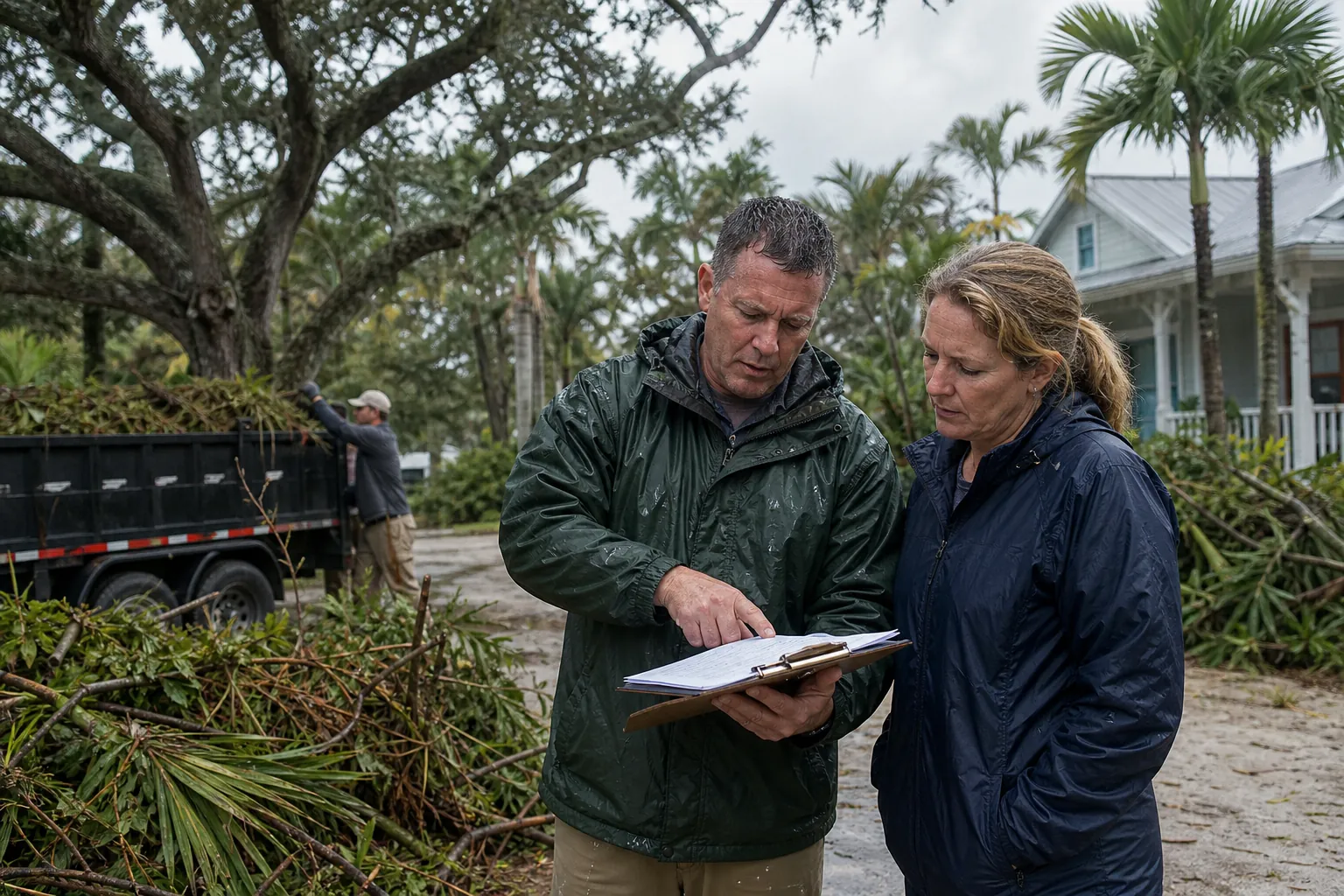
Prioritize loose material that is already detached and debris that interferes with routine property access or drainage maintenance. Do not treat every living branch or established landscape feature as something that needs emergency removal.
Separate the decision to trim from the decision to haul. Tree work can create overhead hazards and substantially increase the amount of material awaiting pickup. If a tree or limb needs professional assessment, arrange that assessment rather than cutting it solely to complete a hauling load.
- Collect small loose branches only when they can be handled safely from the ground.
- Identify existing brush piles that have grown beyond your regular disposal arrangements.
- Move loose yard items to appropriate storage rather than adding usable items to the debris pile.
- Keep suspected hazardous materials out of vegetation piles and ask about an appropriate disposal route.
- Leave heavy logs or tangled material in place if moving them would require unsafe lifting.
Bamboo deserves a separate description because long, tangled stems can complicate staging and handling. If your cleanup includes bamboo, review our Volusia County bamboo debris hauling guide and mention the material when discussing your load.
A prioritized inventory helps you avoid turning a modest cleanup into several unfinished piles scattered across the property.
How Should You Sort Debris Before Requesting Hauling?
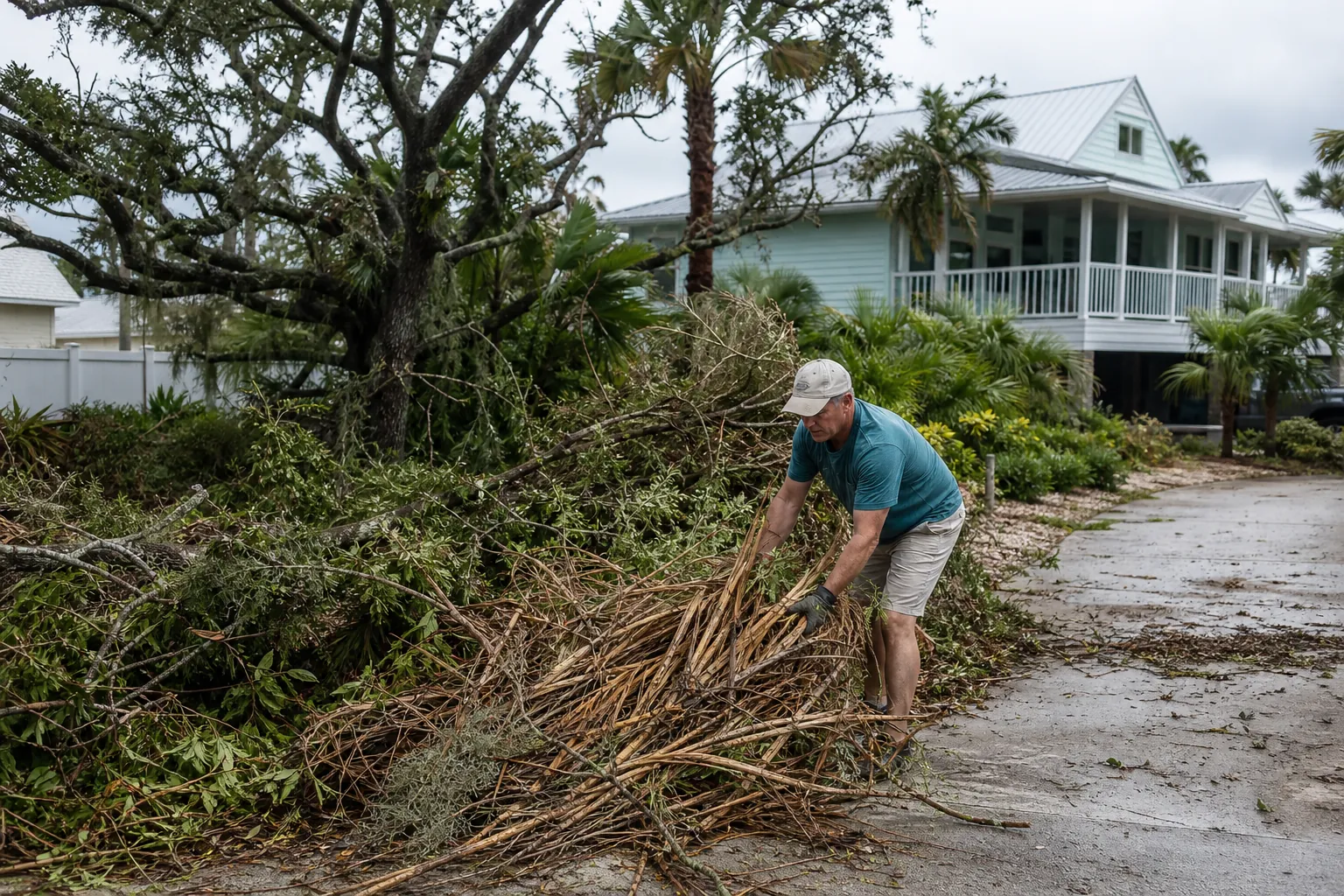
Keep vegetation separate from household junk, construction materials, chemicals, and other unrelated waste. A grapple truck can handle bulky material mechanically, but that does not mean every item belongs in the same load.
Describe the pile honestly before scheduling. Branches mixed with fencing, wire, plastic bags, or discarded furniture require a different conversation from a pile containing only yard vegetation. Do not hide unwanted materials under leaves or brush.
- Place branches and other agreed yard materials together in the designated vegetation area.
- Keep metal, glass, fencing, and building materials separate until their acceptance is confirmed.
- Do not place paint, fuel, batteries, or unidentified containers in the yard debris pile.
- Ask how bagged leaves, soil-heavy material, stumps, and root balls should be handled before adding them.
- Tell the hauler about anything sharp, unusually heavy, or tangled within the load.
Sorting also makes your photographs more useful. Take one view of the entire pile and closer views of materials that are difficult to identify. Include enough surrounding space to show whether the truck approach is realistic.
If a contractor is generating the debris, agree on sorting expectations before work begins. Our debris hauling guide for Volusia contractors explains coordination considerations for contractor-generated piles.
Where Should You Stage A Pile For Grapple Truck Access?
Stage debris only after confirming a location that supports safe truck access and loading. The most convenient place for a homeowner is not always a suitable place for a truck or its grapple to operate.
Loading considerations include overhead clearance, nearby vehicles, surface conditions, and the position of fences, mailboxes, trees, and utility equipment. Do not assume the truck can drive across a lawn or reach behind a building.
Keep debris out of drainage features and away from locations where it could restrict public access. Public rights-of-way and collection practices can differ by location, so verify applicable instructions rather than assuming roadside placement is permitted.
- Choose a location that does not block the property's usable entrance or exit.
- Keep the pile clear of overhead wires and do not work near damaged utility equipment.
- Maintain visibility for drivers entering or leaving the property.
- Leave room around mailboxes, signs, fences, parked vehicles, and other fixed objects.
- Describe soft ground, narrow gates, low branches, and other access limitations before pickup.
For more staging detail, read our contractor debris pile access guide. If a mailbox is near the proposed pile, review our mailbox clearance considerations for Volusia debris piles rather than guessing at a universal distance.
Ask for guidance before moving a large pile twice. A short staging conversation can prevent unnecessary handling and reduce the chance of placing debris somewhere that cannot be loaded safely.
How Can You Keep Debris From Complicating Drainage?
Keep loose vegetation out of swales, gutters, drainage inlets, and other visible water pathways. Hauling is one part of yard preparation, but pile placement should not create a new drainage obstruction while you wait for removal.
Observe where water normally travels across your property. Avoid placing branches or bags in a low spot simply because it is close to the road. Do not alter a drainage structure or move debris into a neighboring drainage route.
- Remove accessible loose leaves from your own surface drainage areas when conditions are safe.
- Place collected material where it cannot readily spill back into a drainage path.
- Keep yard waste away from street inlets without entering traffic or lifting inlet covers.
- Report public drainage problems through the appropriate local channel instead of attempting unauthorized repairs.
- Stop outdoor work if standing water conceals hazards or safe footing becomes uncertain.
Never assume that clearing a debris pile will prevent property flooding. Drainage depends on factors beyond yard waste, including ground conditions and the surrounding drainage system. The purpose of this step is to avoid adding an obstruction, not to promise a particular outcome.
When Should You Contact A Hauler And Confirm Pickup?
Contact a hauler once you understand the materials and likely staging location, before committing to extensive cutting or moving. A requested date is not the same as a confirmed pickup arrangement.
Provide the property location, material description, photographs, and access details together. Ask what is accepted, where the pile should go, and what conditions could prevent loading. Scheduling should remain subject to safe operating conditions.
- Walk the property and write down the debris you want removed.
- Separate existing vegetation from materials that require another disposal discussion.
- Photograph the pile, nearby obstacles, and the truck approach.
- Contact Daytona Grapple Trucks to discuss the load and proposed staging location.
- Confirm the agreed scope and pickup arrangements before creating additional debris.
- Recheck access before collection and tell the hauler if conditions have changed.
- Stop preparation work when official instructions or on-site conditions make it unsafe.
Do not postpone essential personal preparation because a debris pickup is pending. Medication, documents, communication plans, and any applicable evacuation instructions take priority over finishing a yard cleanup.
If your project changes from preparation to cleanup after damaging weather, our Volusia County storm debris hauling guide addresses the separate removal stage.
What If Pickup Cannot Happen Before Unsafe Weather?
Stop creating new debris and focus on a safe fallback plan. Do not leave an unconfirmed roadside pile on the assumption that a private hauler or public collection crew will remove it before conditions change.
Ask the hauler whether the staging plan should be revised. Small loose items may belong in suitable storage, while a large brush pile may need a different agreed location. Do not climb onto a pile, drag heavy material alone, or improvise hazardous tie-down methods.
Keep access to your home and vehicle clear. If a pile cannot be moved safely, document its location and avoid it rather than attempting a rushed cleanup in deteriorating conditions.
Once conditions are safe again, reassess the site before rescheduling. New standing water, fallen limbs, damaged fences, or blocked entrances can change the original loading plan. Report those changes instead of assuming the earlier photographs still describe the property.
How Should HOAs And Shared Properties Coordinate?
Shared properties should use one agreed staging plan and a clearly identified contact. Multiple residents or contractors creating piles independently can make sorting, access, and pickup scope difficult to manage.
The property manager or association representative should identify which areas are included, who may authorize removal, and how residents will receive instructions. Private hauling arrangements should not be presented as a substitute for local public collection guidance.
- Identify authorized staging areas before residents or crews move material.
- Keep emergency access, pedestrian routes, and common entrances unobstructed.
- Tell contributors which materials belong in each designated pile.
- Assign someone to update the hauler if pile size or site access changes.
- Document which piles are included so adjacent material is not mistaken for approved work.
See our storm debris hauling guide for Volusia County HOAs for association-specific coordination. For properties outside Volusia County, use this article as regional preparation guidance only and verify local hauling options and collection instructions separately.
Frequently Asked Questions About Prestorm Yard Debris Hauling
Should I Cut More Branches Just To Fill A Truck?
No. Base trimming decisions on appropriate landscape care and safe working conditions, not on filling a hauling load. Additional cutting can leave you with more material than your confirmed removal plan covers. Discuss existing debris first.
Can I Mix Furniture With Branches In One Pile?
Do not combine them without explicit acceptance and staging instructions. Household items and vegetation may require different handling. Separate piles make the material easier to evaluate and reduce uncertainty about the agreed removal scope.
Does Grapple Truck Hauling Replace Municipal Collection?
No. Private hauling and municipal collection are separate arrangements. Check the applicable public collection instructions for your address, and confirm what a private hauling agreement includes. Do not assume either service will collect material assigned to the other.
What Information Should I Send Daytona Grapple Trucks?
Send the Volusia County property location, clear pile photographs, a description of the materials, and pictures of the access route. Mention overhead lines, narrow entrances, nearby structures, soft ground, and any materials whose acceptance needs confirmation.
Can A Truck Load Debris From A Wet Yard?
That depends on the site and loading arrangement. Wet or soft ground can affect access, so disclose those conditions before pickup. Do not assume a truck can enter the lawn, and let the operator evaluate whether loading can proceed safely.
Does This Plan Apply Outside Volusia County?
The preparation principles can help properties in Jacksonville and Duval County, St. Augustine and St. Johns County, Palm Coast and Flagler County, and Titusville, Cocoa, and Melbourne in Brevard County. Those references are regional advice, not a claim of Daytona Grapple Trucks service coverage.
Build A Manageable Plan Before You Build A Bigger Pile
The strongest preparation plan is practical: inventory existing debris, separate materials, protect drainage, verify loading access, and confirm removal arrangements. Keep a fallback plan so an unfinished cleanup does not take priority over personal safety.
For a Volusia County yard debris hauling discussion, call Daytona Grapple Trucks at (386) 481-7913. Describe your materials and site conditions, and ask about the next steps for a suitable pickup plan.
Call (386) 481-7913 to talk through next steps.