
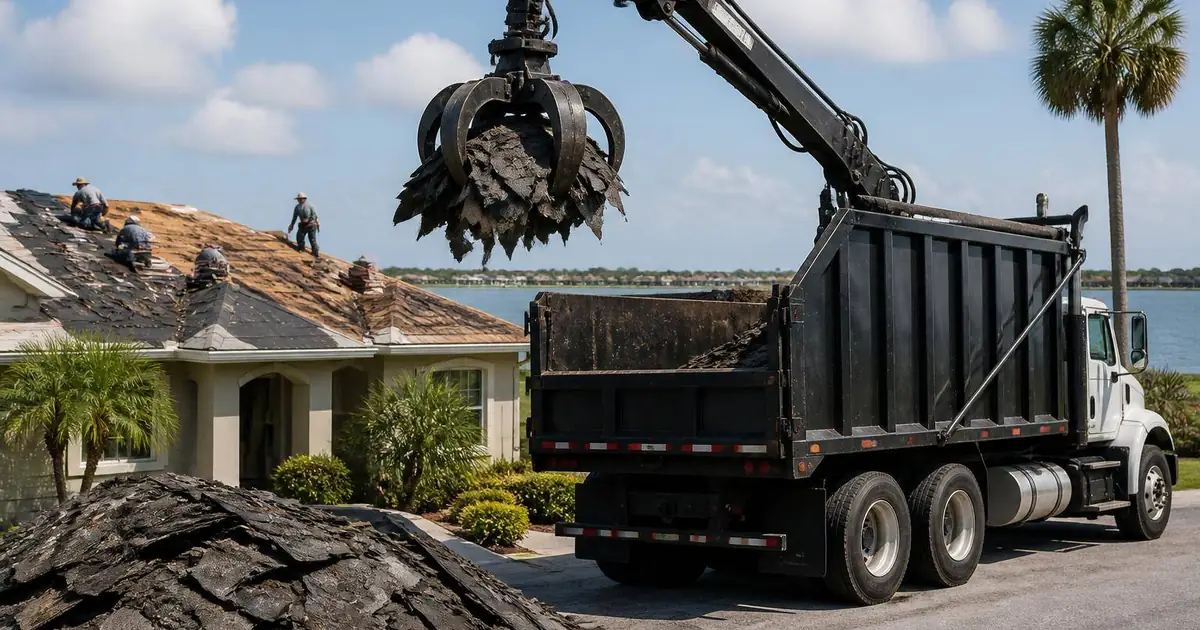
A roofing debris grapple truck plan starts with a clear description of the debris, the pickup site, and any access limits. In South Daytona, confirm the service, accepted materials, timing, and disposal steps with the provider before making plans. Local waste rules can vary by material and date.
How Should You Plan a Roofing Debris Grapple Truck Pickup in South Daytona?
Start by describing the roofing work, the debris you expect, and where it will sit. Then ask what the provider can handle and what details it needs. This roofing debris planning guide and South Daytona pickup scenario(South Daytona pickup scenario) can help you prepare questions without assuming service details.
Treat this as a planning scenario, not a promise of service. The available site facts identify the business as a grapple truck debris hauling provider. They do not list specific services, accepted materials, or pickup terms. Confirm those points directly before relying on a plan.
Begin with the work area and the expected debris. A roof project may create several kinds of material, and the exact mix can change as work proceeds. Do not assume every piece belongs in one load. Ask how the provider wants you to describe the material and whether it needs separate piles.
Next, give a plain account of the site. Mention where debris could be staged, how a truck might approach, and any space limits you know. You do not need to guess about truck size or lifting ability. Ask the provider what access details it needs to judge the setup.
Keep your first message short and useful. A clear account can help reveal missing details before you set a date. If the job changes, update the provider rather than relying on the original description.
- Describe the roofing work and the debris types you expect to have.
- Explain where the debris could be placed before any planned pickup.
- Share known access limits, including tight turns or blocked approaches.
- Ask which details the provider needs before it can discuss service.
What Details Should You Confirm Before Arranging Pickup?
Confirm what the provider accepts, how it wants debris prepared, and what it needs to assess the site. Ask about timing and any limits before you schedule work around pickup. The roofing pickup planning guide and debris arrangement questions(debris arrangement questions) offer related planning topics.
Use a short call or written message to check the basics. Ask whether the provider handles the material you expect, and explain if the debris mix is uncertain. Ask if it needs photos or other site details. Do not send private information unless it is needed for the discussion.
Talk through timing in plain terms. Ask what dates may be considered, how the provider confirms a planned visit, and what could change the plan. No response time or availability is established by the site facts. Avoid telling a crew or roofer that pickup is set until the provider confirms it.
Clarify who will prepare the material and who will be present. A roofer, property owner, or site contact may each hold different information. Agree on who will answer questions about the pile and site access. If several people are involved, share the same confirmed plan with everyone.
Before you commit, repeat the main points back. This simple step can catch errors in material type, pile location, or timing. Keep any written notes where the people managing the project can find them.
How Can You Describe Roofing Debris Clearly?
Describe what the work will remove, what materials you expect, and whether the pile may include mixed items. Do not label an unknown mix as a single material. The roof debris planning guide and material sorting discussion can help frame questions for the provider.
A useful description names what you know and flags what you do not. For example, explain that the debris comes from roof work, then list the materials you can identify. If you are unsure, say so. The provider can tell you what information it needs next.
Do not decide that every item can go into the same pile. Materials may have different handling or disposal rules. Volusia County's solid waste guidance says collection rules vary by material, location, and date. Check current local direction for the material and site rather than relying on an old note.
If the pile changes during the project, update the description. A small change can affect what the provider needs to know. Ask whether separate piles are useful, how they should be marked, and whether any items should stay out of the planned load.
Use clear words instead of broad terms like waste or trash. Name visible materials when you can, and note any unknown items. That gives the provider a better starting point without claiming that a material is accepted.
What Site Access Questions Matter for a Grapple Truck?
Share the route to the debris, the proposed pile location, and any limits you know. Ask the provider what it needs to assess access. These site planning details and truck access questions can help organize that discussion before a date is set.
Keep the description factual. Explain where a truck would enter, where debris may sit, and what could block the route. Mention gates, parked vehicles, low branches, narrow areas, or other known limits. Do not estimate vehicle clearance or lifting capacity unless the provider gives you a basis for that estimate.
Ask which site details matter to the provider. It may request a description, images, or another way to review the approach, but the site facts do not state what it requires. Follow its instructions and avoid sending images that show people, personal records, or private areas without a clear need.
Think about how the work area may change. Roofing work can involve moving tools, materials, or vehicles as the job continues. Ask who should keep the planned access route clear and when that area needs to be ready. Confirm any steps with the provider and the people managing the project.
If you cannot judge access, say that plainly. Do not promise that a truck can reach the pile. Ask what further review is needed and whether the proposed location should change. The provider must confirm what it can serve.
- Describe the route from the street to the planned debris location.
- Point out known gates, low branches, tight turns, or parked vehicles.
- Ask what information the provider needs to assess the proposed access.
- Keep people and loose items clear of the route as agreed.
How Should You Plan Sorting and Disposal?
Ask how the debris should be sorted and which local disposal rules apply. Do not assume that a pickup plan sets those rules. The local debris planning guide and sorting and disposal questions can help you identify what needs confirmation.
Sorting needs can depend on the material and local direction. Volusia County notes that collection rules vary by material, location, and date. Check current county guidance for relevant waste questions, and ask the provider how its own process fits those rules. One source does not replace the other.
For a mixed pile, ask whether materials should be separated before pickup. Ask how the provider wants uncertain items handled. Keep the answer with your project notes so the roofer and site contact can follow the same plan.
Federal guidance also offers general advice for planning natural disaster debris removal. FEMA and the U.S. Environmental Protection Agency discuss debris planning and sorting in that context. Those pages do not confirm local pickup availability or the terms of a roofing debris service. Use them as general planning references only.
When a disposal question affects what you may place at a site, check with the relevant local authority. Do not rely on a guess from a neighbor or a past project. Rules and collection steps can change, so verify current guidance before setting material aside.
- List each material you can identify and flag anything you cannot identify.
- Check current local waste guidance for the material and location.
- Ask the provider whether it wants separate piles or another setup.
- Share confirmed sorting steps with everyone handling the project.
What Timing and Worksite Changes Should You Expect?
Treat timing as a point to confirm, not an assumed part of the job. Ask how a date is discussed, what may change it, and who should receive updates. The pickup timing guide and roofing debris schedule questions support a clear plan.
Coordinate the roofing schedule with the debris plan, but do not assume one sets the other. Ask the provider what timing it can discuss and what it needs before doing so. The site facts do not establish availability, lead times, or a response window.
Roof work can change the amount or type of debris as the job moves along. If that happens, tell the provider before pickup arrangements rely on the first estimate. Ask whether the change affects the plan, and wait for a clear answer.
Choose one person to share updates among the site contact, roofer, and provider. That person can pass on changes to the pile, access route, or work date. Make sure each person knows which details are confirmed and which still need an answer.
Keep a simple record of the latest plan. Note the confirmed material description, proposed location, access details, and any open questions. A written record can reduce confusion, but it does not replace confirmation from the provider.
What Should You Do If the Plan Changes?
Pause and share the change before people act on an outdated plan. A new material, pile location, or access limit may affect what needs review. The debris plan checklist and roof pickup change questions can help you make a clear update.
Changes are easier to manage when you report them early. Say what changed, when it changed, and which part of the plan may be affected. Avoid treating an earlier answer as approval for a new material or a different pickup location.
If debris is mixed or unclear, pause before adding more to the pile. Ask the provider how it wants the change described. Check local waste guidance when disposal rules may apply. Do not move material into a new area if that could create a site or safety concern.
If access changes, describe the new route or limit. Ask whether the provider needs to review the site again. Do not try to direct vehicle movement or lifting work yourself. Follow instructions from the qualified people responsible for the work and the site.
After you receive an updated answer, share it with the people involved. Remove old notes from active use or mark them clearly as outdated. This helps the roofer, property contact, and provider work from the same plan.
Questions about next steps? Call Daytona Grapple Trucks at (386) 481-7913 or review debris.
Frequently Asked Questions
Does Daytona Grapple Trucks confirm roofing debris pickup in South Daytona?
The supplied site facts identify Daytona Grapple Trucks as a grapple truck debris hauling business, but they do not confirm a specific roofing service, service area, or available date. Ask the business directly whether it can handle your material and site. Confirm the details before scheduling work around a pickup.
Should roofing debris be placed at the curb?
Do not assume curb placement is allowed or suitable. The right location can depend on local rules, the site, and the provider's instructions. Check current local guidance and ask the provider where material should be staged. Follow any direction from the people responsible for the property and work area.
What if I cannot identify every material in the debris pile?
Tell the provider that part of the pile is unknown. Describe what you can identify and ask how to handle the rest. Do not label uncertain material as accepted or mix it with other debris without guidance. Check local waste direction if the material could have special disposal rules.
Can general disaster debris guides set rules for roofing waste?
No. FEMA and U.S. EPA pages offer general debris planning guidance, including information for disaster debris. They do not establish a local roofing pickup service or replace current waste rules. Use them for general planning, then check with the county and the provider about your material and site.
Who should receive updates if the roofing job changes?
Choose one contact to share updates with the roofer, site contact, and provider. That person should report changes to the material, pile location, access, or work date. Ask the provider whether the change affects the plan, then pass along its confirmed direction to everyone involved.
Sources
- Solid Waste and Recycling, Volusia County
- Planning for Natural Disaster Debris, U.S. EPA
- Debris Removal Guidelines Help You and Your Community, FEMA
Call (386) 481-7913 to talk through next steps.