
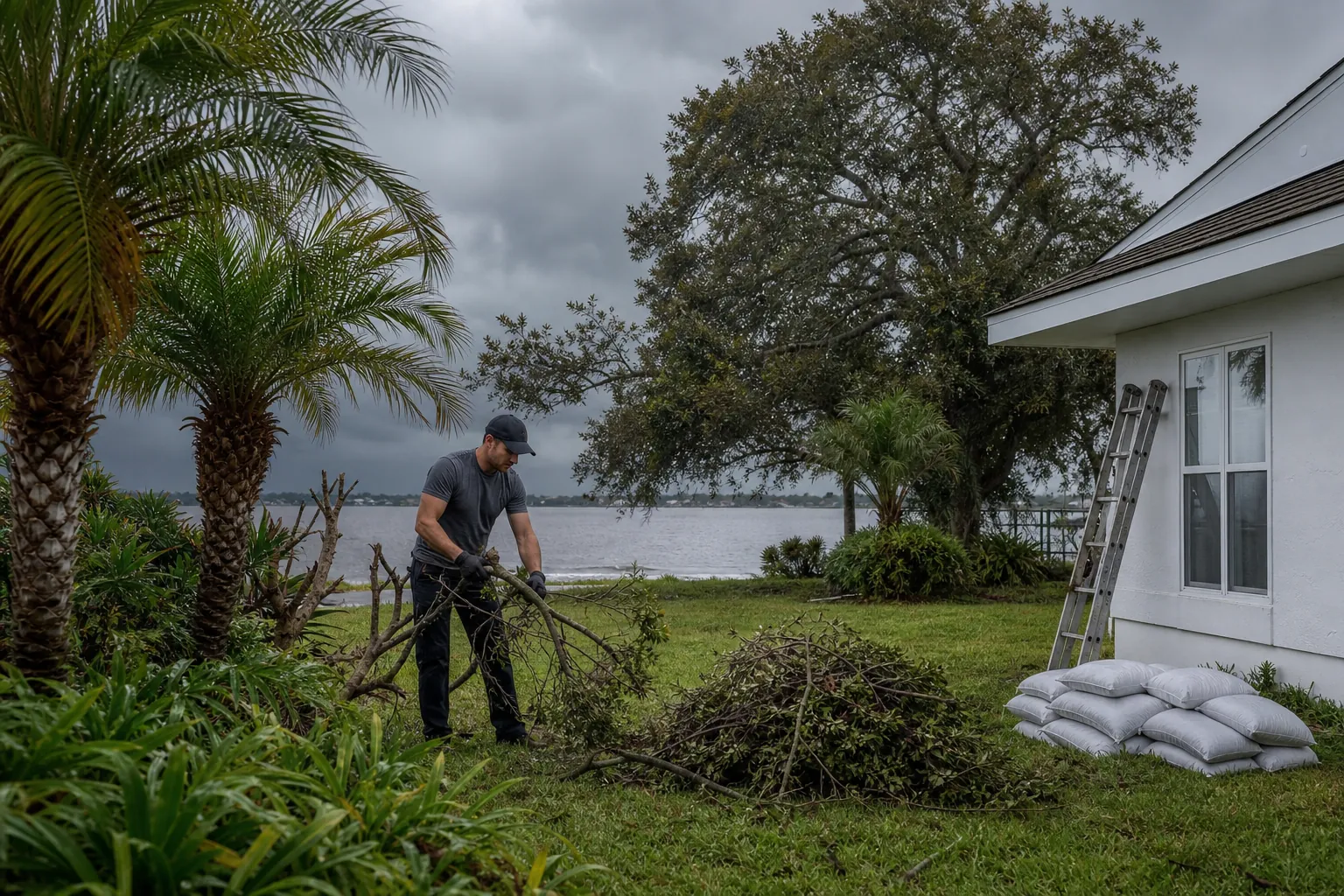
Start hurricane yard preparation in Brevard County before summer, maintain the property throughout hurricane season, and stop outdoor work when conditions become unsafe. The most useful calendar separates planned pruning and debris removal from last-minute securing tasks. That keeps a routine landscape project from becoming an exposed pile when weather changes.
This hurricane yard preparation calendar for Brevard County focuses on properties around Titusville, Cocoa, and Melbourne. It is regional planning advice, not a current storm forecast or a statement that Daytona Grapple Trucks serves every location mentioned. Confirm service availability for your address before scheduling hauling.
For broader seasonal planning across Northeast and Central Florida, see our hurricane-season yard readiness guide. This page concentrates on when to inspect, trim, stage, and remove yard material in Brevard.
What should your Brevard County yard calendar prioritize?
Prioritize existing hazards, clear drainage paths, and a realistic removal plan before creating more debris. A yard does not need to look bare to be prepared. It needs fewer loose objects, manageable vegetation, and access that remains usable for people and equipment.
Atlantic hurricane season runs from June 1 through November 30, but preparation belongs on the calendar before June. Use the months below as planning windows rather than deadlines that require work regardless of weather.
- Inspect trees from the ground and arrange qualified help for questionable limbs or unstable trees.
- Remove accumulated branches and discarded outdoor materials before starting another landscape project.
- Identify where water normally moves across the property and keep those routes free of loose debris.
- Choose a potential loading location without assuming that a public roadside area is available for private staging.
- Keep a short list of items that must be moved indoors or secured when official forecasts call for action.
Take photographs during your first inspection. They help you compare changes in trees, fences, and drainage areas without relying on memory. Keep the pictures with your cleanup checklist and collection information.
What yard work belongs in January through March?
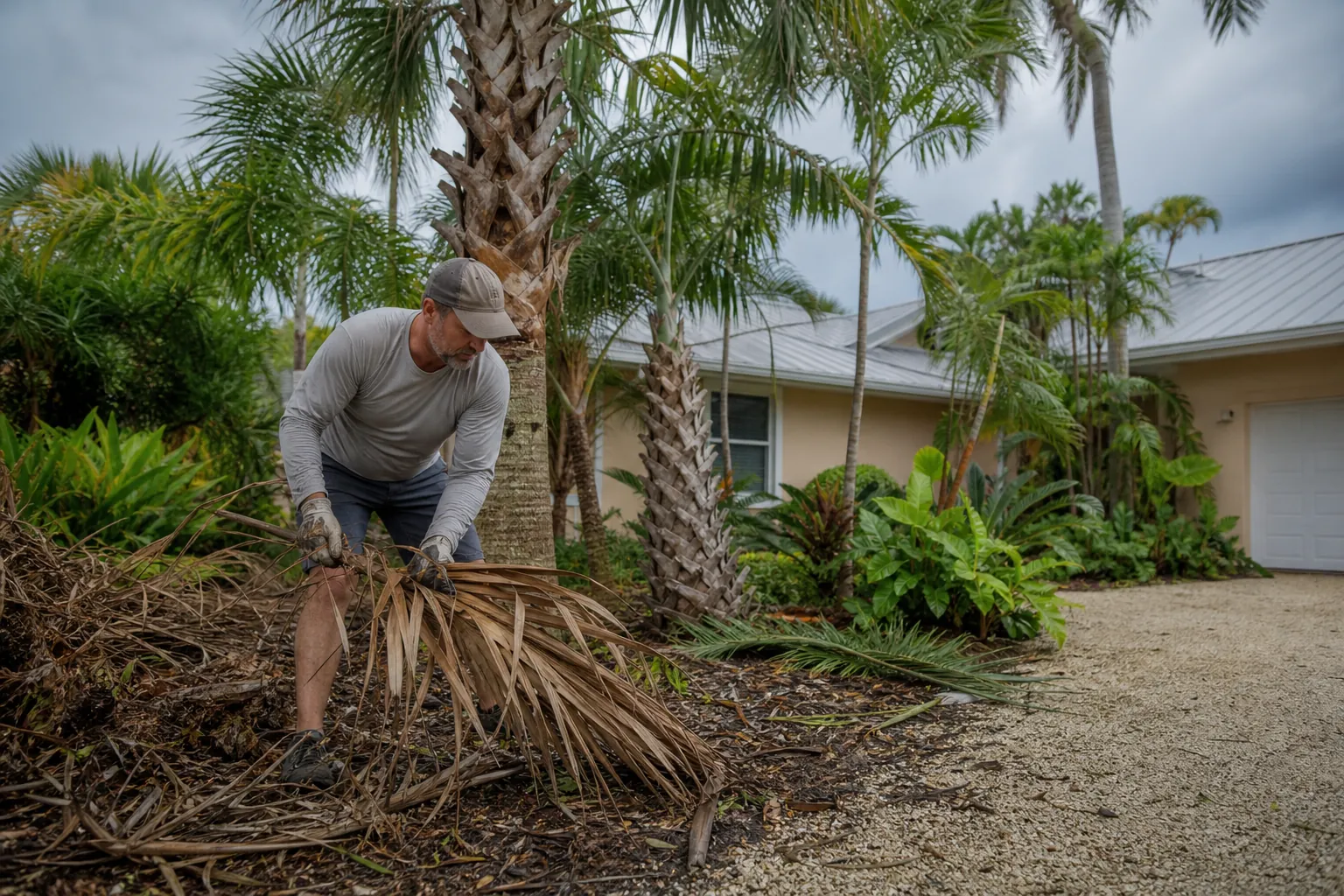
Use the first quarter for assessment and project planning. This is the time to identify recurring debris problems and arrange larger work without the pressure of an approaching weather event.
Walk the property boundary, including the areas behind sheds and beside fences. Look for old cuttings, damaged planters, unused lumber, and fallen limbs hidden by vegetation. Separate ordinary landscape material from items that may require another disposal route.
Inspect tree crowns and trunks from a safe distance. Dead branches, newly leaning trees, visible cracks, or roots lifting near structures deserve professional evaluation. Do not climb a tree or use a ladder to investigate a suspected hazard.
- Make a written inventory of larger cleanup tasks and identify which ones require outside help.
- Check whether gates, narrow driveways, or overhead branches could affect future equipment access.
- Review your municipality or collection provider's current instructions for accepted materials and placement.
- Choose a durable indoor storage area for small outdoor objects that you may need to secure later.
For rental properties or homes occupied only part of the year, assign responsibility now. Specify who checks the yard, who approves removal, and who can provide access when the owner is away.
What should you finish in April and May?
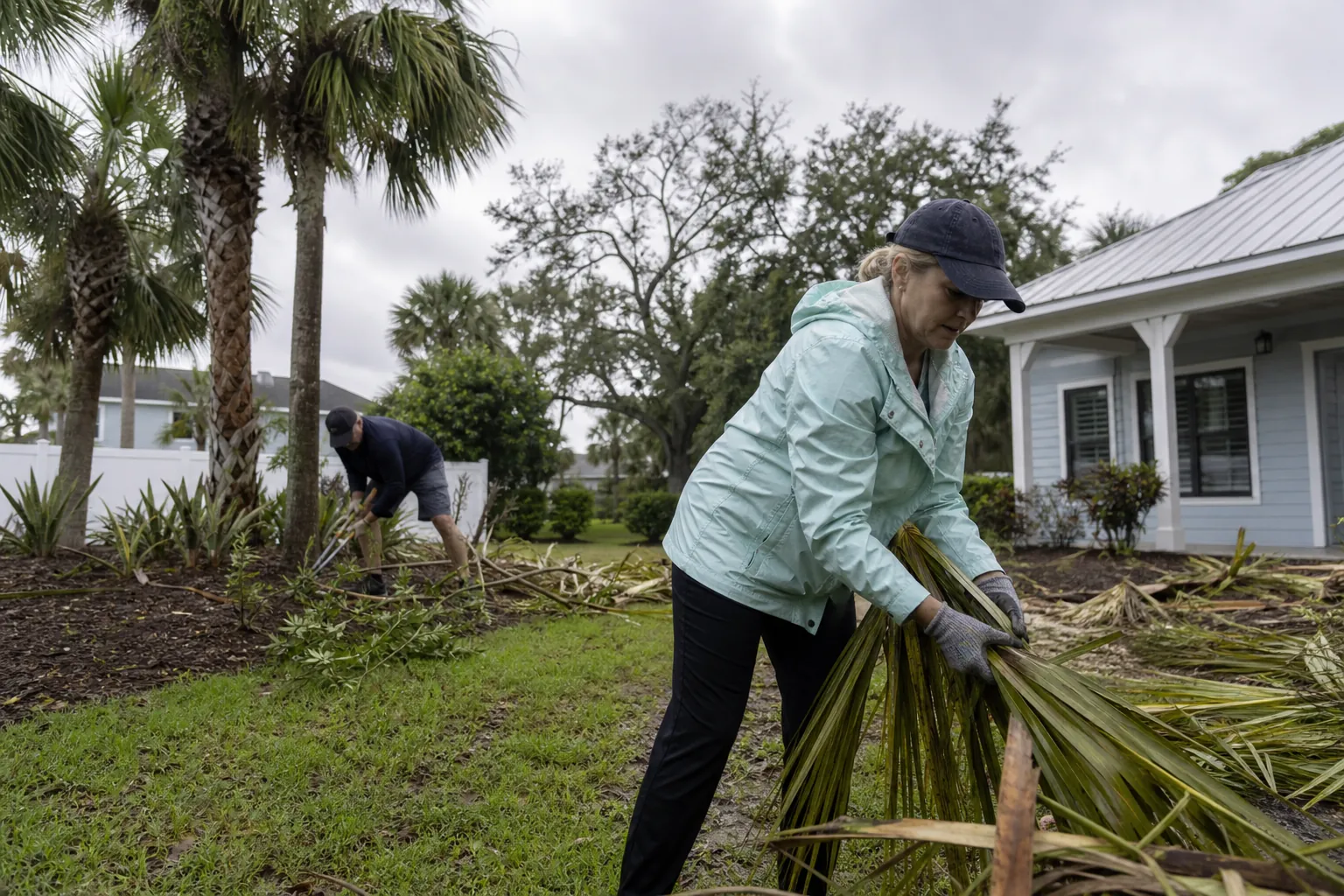
Complete planned pruning and remove the resulting debris before the summer maintenance cycle begins. Schedule removal alongside the landscape work, not as an afterthought once a pile has become difficult to manage.
Ask the landscape contractor how much material the project may produce. A few bags of leaves and several large tree sections require different handling. Discuss material size, staging space, and whether the contractor will remove everything or leave a separate hauling task.
Keep pruning focused on tree health and identified defects. Avoid aggressive cutting simply because hurricane season is approaching. A qualified tree-care professional can advise on the appropriate work for the species and condition.
- Confirm the scope of trimming or clearing before the crew begins.
- Decide how branches, logs, and other materials will be separated.
- Verify the collection or hauling arrangement and the intended staging location.
- Check that loading access will not interfere with parked vehicles, gates, or neighboring property.
- Inspect the site after removal for small debris left in drainage paths or walkways.
Our contractor debris pile access guide explains access issues that are useful to discuss with a hauler. Its Volusia County context should not be treated as Brevard collection policy.
How should you maintain the yard in June and July?
Switch from major preparation to frequent, manageable maintenance. Check the yard regularly and after ordinary rainy weather, when blocked drainage paths and overlooked loose objects are easier to notice.
Remove small accumulations before they turn into a large pile. Keep leaves and grass clippings out of visible drainage openings, and avoid blowing landscape debris into streets or neighboring properties. Do not enter a drain or attempt work on public drainage infrastructure.
Review outdoor storage. Empty pots, lightweight furniture, garden tools, and loose decorative items should have a practical securing or storage plan. Knowing where each item goes reduces rushed decisions later.
- Keep walkways and gates clear so occupants can move around the property safely.
- Check that branches and vines are not concealing drainage openings or blocking access.
- Inspect the chosen debris staging area for overhead obstacles and changes in ground condition.
- Remove routine landscape waste through the appropriate collection or hauling option.
If you plan a summer landscaping project, pair it with a removal plan before cutting begins. Avoid assuming that either public collection or a private truck will be available immediately when demand increases.
What changes should you make in August through October?
Keep unfinished cleanup projects small and make your securing checklist easy to execute. The goal is to avoid generating more loose material than you can remove through a confirmed collection arrangement.
Recheck any tree concern identified earlier in the year. A problem that was deferred in spring should not disappear from the list simply because the yard looks tidy. Arrange an evaluation rather than attempting risky cutting yourself.
Monitor current official forecasts when weather threatens. This evergreen calendar does not establish a watch, warning, rainfall forecast, or expected impact for Brevard County. Let current official instructions determine when to secure the property or stop working.
- Keep only essential outdoor items in exposed areas if you cannot move them easily.
- Confirm collection arrangements before beginning optional clearing or pruning.
- Put access codes, contact details, and material photographs together for any scheduled hauler.
- Check that stored materials do not block doors, garage access, or household exit routes.
Do not interpret a neat roadside pile as a secured pile. Branches and lightweight materials remain loose until removed or safely contained. If removal cannot be confirmed, reconsider whether optional work should start.
What should you do when threatening weather is forecast?
Secure existing loose items first, avoid starting new cutting projects, and follow official safety instructions. Last-minute preparation is for reducing exposure, not completing every task on the annual maintenance list.
Review what is already on the ground. Contact your collection provider or hauler about scheduled removal, but do not assume normal operations will continue unchanged. If a pile cannot be removed, request safe, property-specific guidance rather than moving it into a ditch or street.
Bring small tools, empty containers, and movable decorations into an appropriate storage area. Secure other items according to their manufacturer instructions. Keep stored objects away from electrical equipment and household escape routes.
- Stop ladder use, tree work, and loading when conditions make those activities unsafe.
- Keep people away from leaning trees, hanging branches, and damaged utility equipment.
- Do not place loose material where it can block drainage or vehicle access.
- Leave time for household preparation instead of using the entire window on optional yard work.
Never enter flooded areas to retrieve a pot, branch, or tool. The value of an outdoor item does not justify exposure to hidden holes, electrical hazards, or moving water.
How can you reduce flooding-related debris problems?
Keep loose yard material out of known water paths and investigate recurring drainage problems before threatening weather. Debris removal can reduce obstructions, but it does not guarantee that a property will stay dry.
Observe the yard after routine rainfall from a safe location. Note where leaves collect, where water crosses a driveway, and whether mulch repeatedly washes toward a drain. Those observations help you target maintenance instead of clearing the entire property unnecessarily.
Do not change a ditch, swale, or shared drainage feature without determining who is responsible for it and what approvals may apply. Moving soil or redirecting water can create a problem beyond your own yard.
- Remove accessible loose branches and leaves from private surface drainage paths when conditions are safe.
- Keep debris piles away from low areas where water normally collects or moves.
- Ask the responsible maintenance provider about blocked public drainage features.
- Arrange professional evaluation for repeated pooling near structures or suspected drainage damage.
After flooding, treat debris cautiously. Material may conceal sharp objects or contamination, and saturated ground may not support a truck. Wait for safe access before arranging loading.
How should you stage debris for possible grapple truck removal?
Stage only after the hauler confirms the material and proposed loading location. Grapple truck removal depends on access, lifting clearance, ground conditions, and the contents of the pile, not just its volume.
Send clear photographs showing the pile and its surroundings. Include the driveway entrance, nearby trees, fences, parked vehicles, and overhead lines. Explain whether the material is on private property or near a public road.
Keep branches and logs separate from household junk, construction material, liquids, batteries, and other items requiring different handling. Do not assume that everything left after a storm belongs in one load.
- Keep the proposed loading area clear of vehicles and objects that could be damaged.
- Do not lean debris against a mailbox, fence, utility cabinet, or hydrant.
- Describe soft ground, narrow gates, steep grades, and restricted turning space before booking.
- Ask the hauler where the pile should go rather than estimating a universal reach distance.
For additional placement considerations, read our debris pile and mailbox guide. For cleanup after an event, our post-hurricane debris staging guide addresses the separate task of organizing fallen material. Neither page replaces Brevard-specific collection instructions.
What belongs on the November and December checklist?
Finish deferred removal, inspect the property, and revise next year's calendar. The end of hurricane season is a useful review point, not a reason to leave unstable limbs or obstructed drainage untouched.
Compare the yard with your earlier photographs. Note which projects created more debris than expected and which access problems complicated removal. Use those observations to improve scheduling next year.
Check stored outdoor items before putting them back into service. Dispose of broken or unusable objects through the appropriate route rather than returning them to an exposed corner of the yard.
- Remove remaining landscape debris once safe access and an appropriate disposal option are available.
- Arrange evaluation of damaged trees rather than waiting for the next preparation cycle.
- Update contacts for property maintenance, public collection, and private hauling.
- Record the staging location that worked and any restrictions the hauler identified.
What are common questions about Brevard hurricane yard preparation?
When should I begin preparing my yard?
Begin the inspection and planning process in late winter or early spring. Aim to finish major planned pruning and its debris removal before June, while continuing maintenance throughout the season.
Should I trim every tree before hurricane season?
No. Focus on professional assessment of defects and appropriate maintenance. Excessive or poorly executed pruning is not a substitute for evaluating tree condition.
Can I leave branches at the curb before threatening weather?
Only use an approved placement location and a confirmed collection arrangement. Do not assume curbside material will be collected before conditions change, and keep it out of drainage paths.
Does removing yard debris prevent flooding?
No. Removing obstructions supports drainage maintenance, but flooding can involve factors beyond yard debris. Recurring water problems need evaluation by the appropriate property or drainage professional.
Can wet debris be loaded immediately?
Not necessarily. Safe loading depends on access, ground stability, material condition, and the hauler's assessment. Disclose standing water and soft ground before scheduling.
Does this calendar confirm Daytona Grapple Trucks serves Brevard?
No. It provides regional advice for Brevard County. Contact Daytona Grapple Trucks to confirm service availability for your exact address and debris type.
What information should I provide when asking about hauling?
Provide your location, material description, photographs, approximate pile dimensions, and access limitations. Mention mixed materials, overhead lines, or wet ground so the loading plan can be assessed.
How can you turn the calendar into a manageable plan?
Choose one inspection date, one planned cleanup window, and a recurring maintenance reminder. Keep the last-minute securing list separate from the larger landscape projects so you can act without creating extra debris.
If you need help evaluating a yard debris removal job, call Daytona Grapple Trucks at (386) 481-7913. Ask about service availability for your address, accepted materials, and suitable loading access. A clear plan is more useful than a rushed pile.
Call (386) 481-7913 to talk through next steps.