
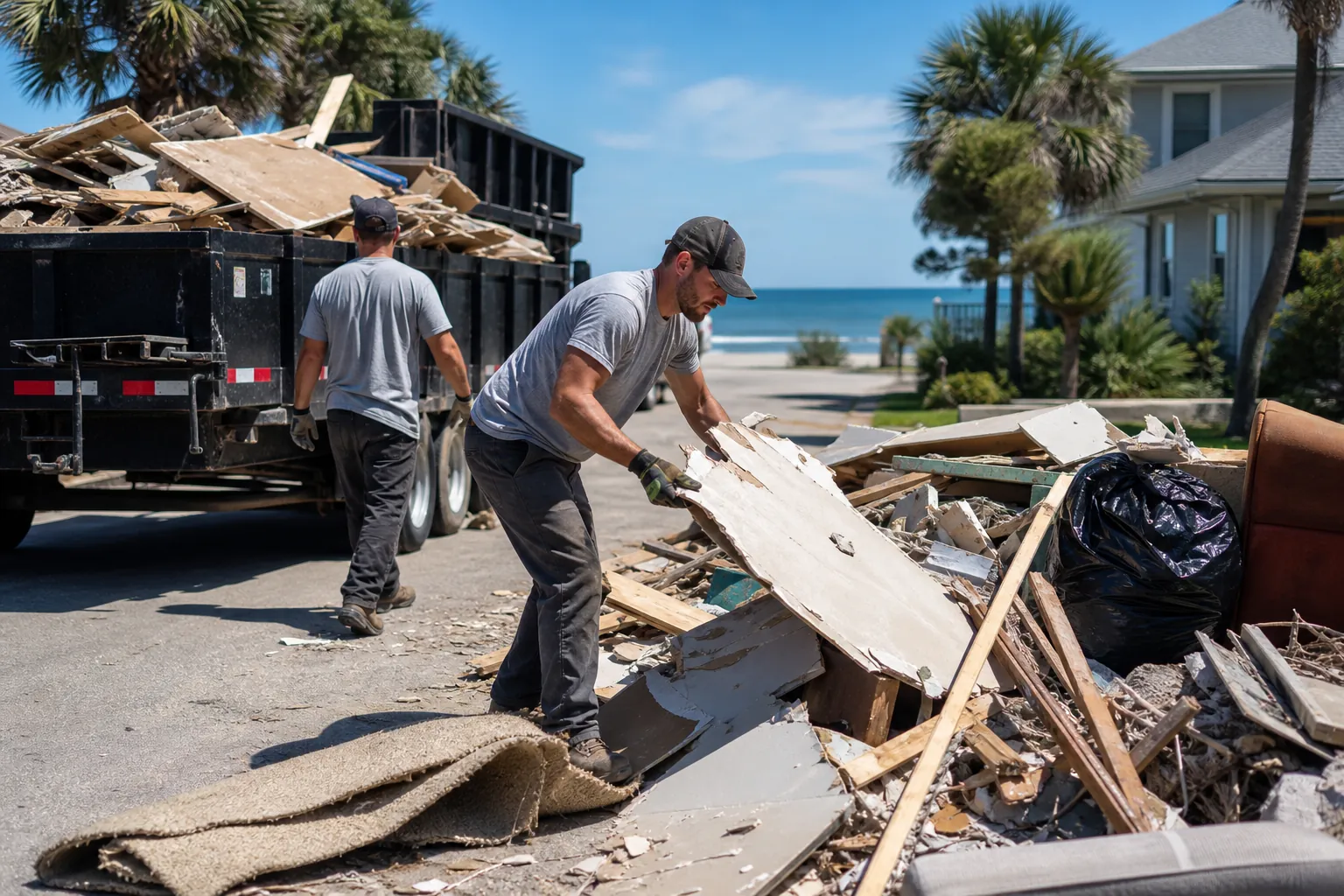
A same day debris haul depends on an open truck slot, accepted waste, and safe access. In Ponce Inlet, send clear photos and pile details first. Ask for a confirmed pickup window before making plans. A request or quote does not mean a truck has been booked.
Can you book same day debris hauling in Ponce Inlet?
Same day debris hauling may be possible when a provider confirms capacity. The pile, route, disposal plan, and access all affect that decision. Start with the Florida storm debris cleanup guide for storm cleanup context. Use the photos for a hauling estimate guide to prepare a clear request.
Treat same day service as a request until the provider accepts it. An online form may start a review rather than reserve a truck. A quote may describe the work without setting a pickup time. Ask which step turns your request into a booking.
Tell the provider your location in Ponce Inlet and your preferred deadline. Explain what created the pile and where it sits. Give your name and a working contact method. If someone else controls access, share that fact early.
Ask for a pickup window rather than assuming an exact arrival time. Then ask how changes will be shared. Storm damage, blocked roads, and disposal delays can affect plans. These are reasons to keep the schedule clear, not reasons to expect service.
For Daytona Grapple Trucks, confirm the current scope and timing directly. This page does not establish an open slot for your address. Also ask what happens if the load cannot be finished that day. You can then choose a later date or review another option.
If your deadline is tied to another crew, explain that link. A tree crew or repair team may need the same access. Avoid booking overlapping work until each party knows the plan. One clear point of contact can help prevent mixed instructions.
What should you send with an urgent pickup request?
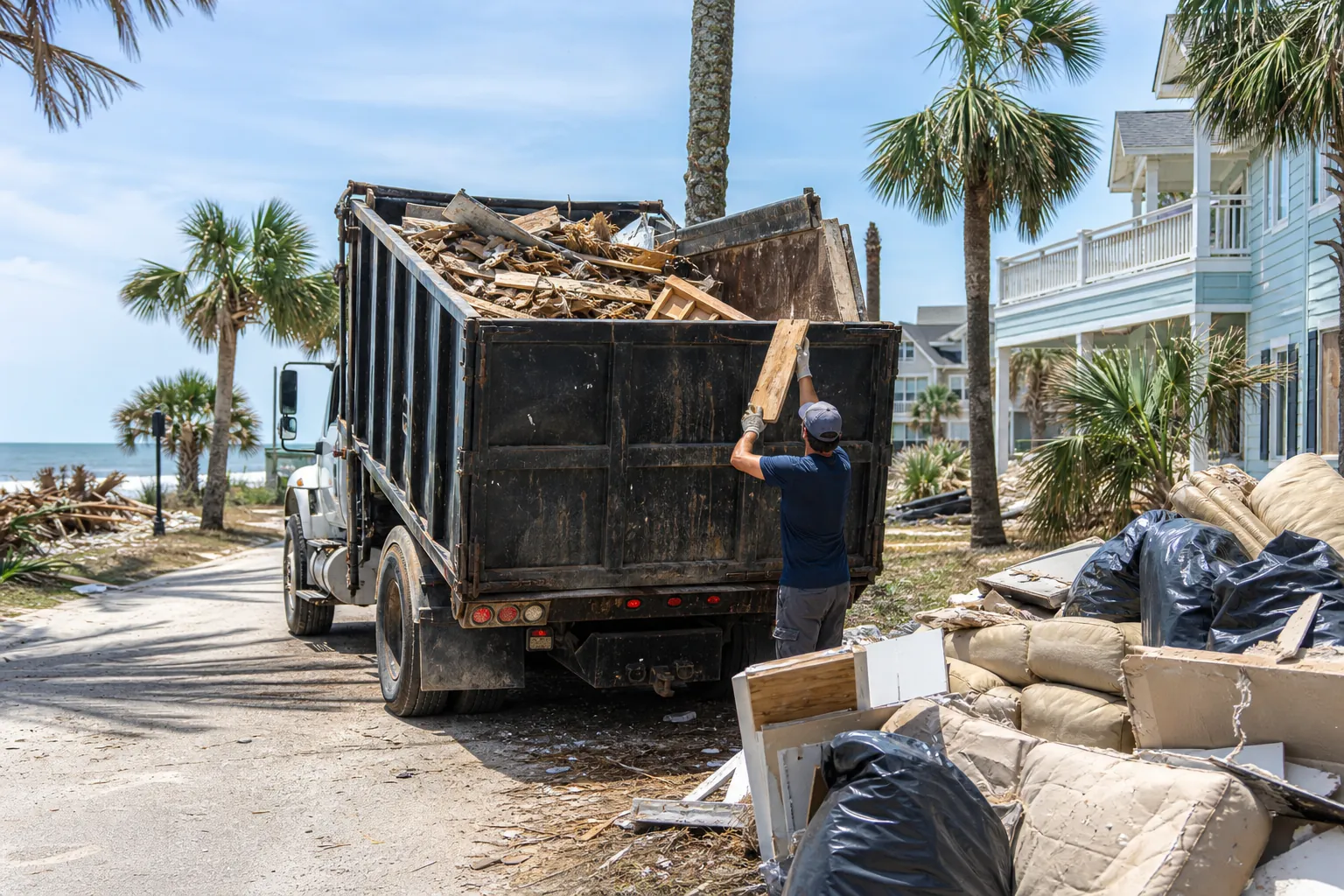
Send enough detail for the provider to assess the load remotely. Clear photos, waste types, and access notes can reduce follow-up questions. The hauling estimate photo guide helps frame that request. The Volusia County debris sorting guide helps describe mixed piles without treating every item alike.
Start with one wide view showing the whole pile and nearby space. Add side views that show depth and height. A close view can help identify mixed waste. Do not enter a road or climb onto debris for a photo.
Describe the pile in plain terms, such as branches, boards, or furniture. Say if those materials are mixed together. Mention anything hidden under the top layer that you know about. If you cannot identify an item, say so.
- Send a wide photo that shows the full pile and nearby access.
- Share rough pile dimensions and explain how you estimated each one.
- Name the main waste types and flag any items you cannot identify.
- Describe gates, parked cars, soft ground, and other access limits.
- State your preferred pickup window and who can answer follow-up questions.
Does same day pickup mean a grapple truck is best?
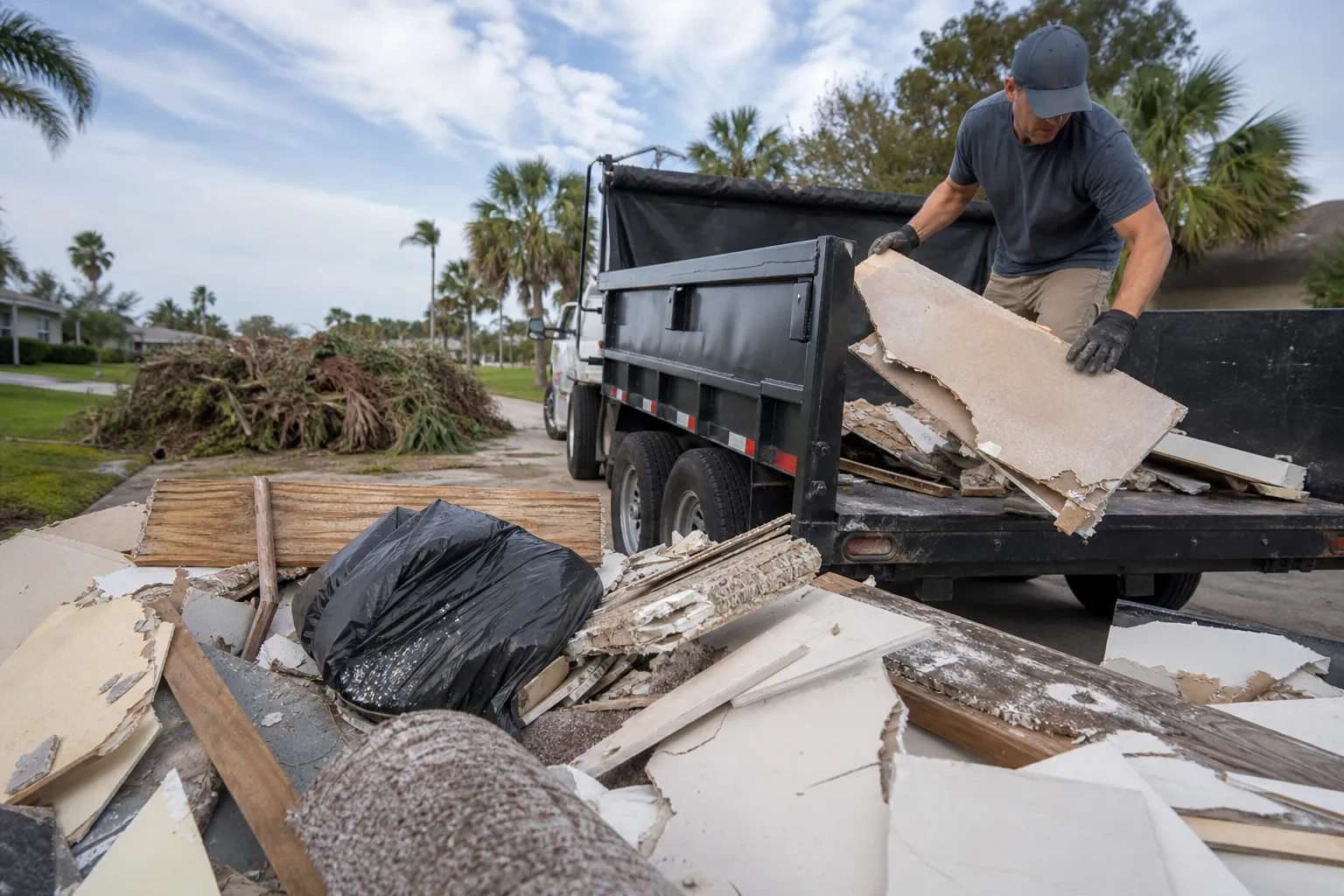
The best hauling method depends on how the waste is staged. A ready pile and an ongoing cleanup can need different plans. Review grapple truck and dumpster differences before choosing. The storm debris cleanup planning guide adds context when storm waste is part of a larger cleanup.
A grapple truck uses a mechanical arm to lift suitable debris. A dumpster gives you a container to fill over time. Neither option fits every load or site. Ask a provider to review your waste and access before choosing.
Think about who will gather the waste before pickup. Loading a staged pile differs from clearing an entire yard. Ask which tasks are included in the proposed work. Do not assume a hauling quote covers cutting, gathering, or sorting.
| Choice | May fit when | Confirm first |
|---|---|---|
| Grapple truck | Suitable loose debris is already staged. | Reach, access, accepted waste, and scope. |
| Dumpster | Waste will be added over several days. | Placement, loading rules, and removal timing. |
| Local collection | The material fits a current collection program. | Eligibility, setout rules, and schedule. |
| Later private pickup | Today's access or truck capacity is limited. | Next opening and needed preparation. |
How should you sort debris before a truck arrives?
Keep different waste types apart when you can do so safely. Mixed piles may need more review before a provider accepts them. Use the Volusia County debris sorting guide for sorting context. Check the debris photos for hauling estimates guide to show what remains in each pile.
FEMA's debris removal guidance supports sorting debris for collection. Local rules still control what goes where and when. For Ponce Inlet, check current instructions that apply to your address. Do not assume storm collection rules match routine collection rules.
Volusia County's Solid Waste and Recycling guidance is another useful starting point. Collection rules can vary by material, location, and date. Check the current rule before setting items out. County guidance alone does not confirm a private hauler will accept them.
Point out paint, fuel, batteries, chemicals, and unknown containers before pickup. Ask the proper local waste authority about handling those items. Do not open, drain, or mix them to make hauling easier. Keep them out of an ordinary debris load unless specifically cleared.
- Describe branches and other yard waste as a separate material group.
- Identify boards, roofing scraps, and other repair waste in your request.
- Flag furniture and large household items before adding them to a pile.
- Report unknown containers without opening them or moving them for photos.
- Ask where each waste type belongs before changing your pile layout.
What site conditions can delay a pickup?
A clear-looking pile may still be hard for a truck to reach. Gates, wires, parked cars, and ground conditions can affect the plan. The photos needed for hauling review guide helps show those limits. The grapple truck versus dumpster guide explains why access matters when comparing methods.
Show both the debris pile and the approach to it. Include turns, narrow entry points, and nearby fixed objects. Tell the provider if access crosses shared or private land. Do not assume permission to use a neighbor's drive or yard.
Ask the provider to assess overhead lines and work space. Do not judge safe clearance yourself or move debris near wires. If a line is down or damaged, stay away. Contact the utility or emergency services as the situation requires.
Wet ground can affect where heavy equipment may travel. Tell the provider about recent rain and known soft areas. Do not assume a lawn, shoulder, or drive can support the truck. The operator must assess the setup before work starts.
Keep children, pets, and onlookers away from the work area. Ask where you should wait while loading takes place. Do not approach moving equipment to give new instructions. Use the contact method agreed on before the truck arrives.
If cars block the approach, arrange for owners to move them. Check that gates can open when the crew is expected. Share any change in site conditions before dispatch. A new obstacle may require a different plan or another visit.
What should a same day quote and booking confirm?
A useful quote states what will be removed and what remains excluded. A booking should also state the agreed pickup window and access needs. Use the hauling estimate photo checklist to document the load. Refer to the storm debris sorting guide when checking which materials the quote covers.
Ask if the quote covers the whole pile shown in your photos. Check how the provider handles a pile larger than expected. Ask what happens if hidden materials appear during loading. Get those terms before work begins, rather than during a rushed handoff.
Clarify the work boundary in plain words. Does the scope cover one staged pile or several spots? Who moves debris that sits beyond the truck's reach? Who handles small pieces left on the ground? These details can affect both timing and the final scope.
Ask what may change the quoted amount and how changes need approval. A photo-based estimate may need an on-site check. Do not assume that a same day request includes every task. Keep the written scope and any updates together.
Confirm who can approve changes if you will be away. Give that person the same photos and scope notes. Make sure the provider has the right contact details. A missed call can leave a question unresolved when the crew reaches the site.
Finally, ask how completion will be confirmed if nobody is present. Agree on how remaining waste or access issues will be reported. Keep your own before-and-after record from a safe spot. This helps you compare the completed work with the agreed scope.
What can you do if no truck is available today?
If today's pickup cannot be confirmed, ask for the next workable option. Keep the pile stable and avoid moving it into public space. The Florida storm debris cleanup guide can help organize later work. Compare the grapple truck and dumpster options if your cleanup will continue beyond today.
Separate a true hazard from a preferred cleanup deadline. Debris touching wires or blocking safe passage needs the proper authority's direction. A private pickup request is not an emergency response plan. Do not enter a dangerous area while waiting for a hauler.
EPA's disaster debris planning guidance supports planning before removal begins. It does not establish local pickup dates or private truck openings. Use that broad planning approach to gather facts and compare options. Check current local instructions before moving waste to a collection point.
Avoid rushing into a second booking without closing the first request. Two open requests can lead to confusion about who should arrive. If plans change, tell each provider promptly. Keep any confirmation or cancellation terms with your other job records.
- Ask the first provider for the next pickup window they can confirm.
- Check current local collection guidance before setting debris near the road.
- Review another removal method if the waste and site conditions fit.
- Update your photos if the pile changes before the next review.
- Confirm one clear plan and notify others when their work must shift.
Questions about next steps? Call Daytona Grapple Trucks at (386) 481-7913 or review debris.
Frequently Asked Questions
Can I arrange hauling for a rental or shared property?
You may need the owner's or property manager's consent first. Shared drives and common areas can add access limits. Tell the provider who has authority to approve work and truck entry. Check any property rules before staging debris. Do not assume your right to use the property includes permission for heavy equipment.
Should I add more debris after sending photos?
Tell the provider before adding to the agreed pile. New waste can change the load size, sorting needs, and pickup plan. Send updated photos and describe what changed. Ask if the original quote and time still apply. Wait for clear acceptance rather than treating the first quote as approval for extra work.
Will insurance pay for urgent debris hauling?
Coverage depends on your policy, the cause of loss, and claim terms. Ask your insurer what records and approvals it needs before authorizing work. Keep photos, written scopes, and receipts. A hauler's quote does not establish coverage. Your insurer or a qualified insurance professional should answer questions about your specific claim.
Can a contractor put job waste in my pickup pile?
Ask before allowing a contractor to add waste. Repair debris may differ from the materials already accepted for hauling. Check who is responsible for removal under your work agreement. Then ask the hauler to review the added material. Keep contractor waste separate until the scope and disposal plan are clear.
What if the pile sits near a property line?
Tell the provider about the boundary before booking. Do not ask a crew to decide who owns disputed debris or land. Get permission from the proper owner when access crosses another property. If the boundary is unclear, resolve that question first through the appropriate property records or qualified local professional.
Sources
- Solid Waste and Recycling, Volusia County
- Planning for Natural Disaster Debris, U.S. EPA
- Debris Removal Guidelines Help You and Your Community, FEMA
Call (386) 481-7913 to talk through next steps.