August 22, 2026
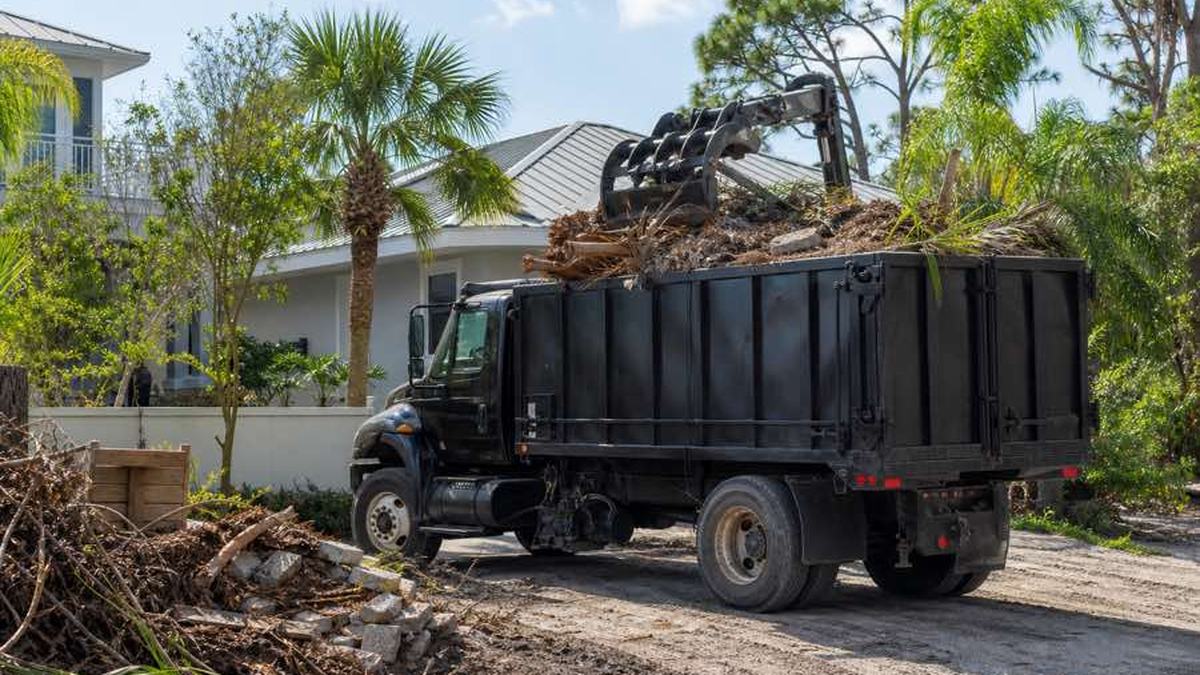
A clear photo set helps explain debris volume, material type, access, overhead clearance, ground conditions, and obstacles before grapple truck hauling in Daytona Beach.
The best photos for a grapple truck hauling estimate show the entire pile, its dimensions, the material, and the route a truck would use. Include wide, medium, and close views, then add property context from the Daytona Beach service area. A complete set reduces guesswork and helps identify questions that should be answered before hauling is discussed.
Begin with one wide photo taken far enough away to show the pile in relation to the street, driveway, building, fence, and vegetation. Follow it with photos from the front, both sides, and, when safely possible, the rear. Finish with close-ups that make the debris recognizable.
A useful basic submission includes:
Take photos in daylight and avoid heavy digital zoom. Keep people and pets away from debris while photographing it. If part of the pile is hidden by a fence or shrubs, photograph the concealed side from a safe location rather than climbing onto unstable material.
Send the property address, your name, a callback number, and a short description with the images. Daytona Grapple Truck Service is a hauling-only service based in Ormond Beach, serving Volusia and Flagler counties. The phone is answered 24/7, but clear photos remain important because debris composition and site access must be reviewed.
For useful scale photos, combine a straight-on wide view with side views that reveal length, width, height, and irregular shape. The grapple truck debris removal service uses a 50-yard-capacity truck, but photographs alone should not be treated as an exact load count. When sending images through the contact page, include measured dimensions whenever they can be obtained safely.
Photograph the pile from approximately waist or chest height rather than using only a steep downward angle. A straight-on image better represents height, while a side image reveals depth. For long windrows, take overlapping images from one end to the other so no section is omitted.
Safe reference points can make scale easier to interpret. A standard object already beside the pile, such as a fence panel, curb, garage door, or marked measuring stick, may help. Do not place a person, child, pet, or vehicle next to unstable debris solely for scale.
Write down approximate dimensions in feet:
Also mention whether the debris is tightly packed, loosely stacked, tangled, or spread in a thin layer. A compact stack of logs and a broad mound of leafy branches can occupy similar-looking areas while differing in density and handling. If the pile changes after the pictures are taken, send updated photos before scheduling decisions are made.
Material photos should make every debris category visible, not just the outer layer. Use close-ups to distinguish limbs, trunks, brush, palm material, fencing, lumber, roofing, concrete, metal, and mixed contents. Review the hauling scope on the debris removal page and confirm the address is within the service area. Approved construction debris may be hauled only after confirmation.
Start with a wide image, then photograph the top, edges, and any exposed interior sections. If a tarp covers the pile, uncover only what can be revealed safely and replace the cover as needed. Do not dig through sharp, unstable, moldy, or unknown material to create a better picture.
Separate piles generally communicate more than a mixed heap. If practical before requesting hauling, keep vegetative debris apart from construction debris and household items. Photograph each group and label the images or message with simple descriptions such as “cut branches,” “fence panels,” or “roofing material.”
Call attention to anything that may require special review, including containers, liquids, batteries, electronics, tires, fuel-related items, pressurized cylinders, paint, chemicals, or unidentified substances. Do not assume that hazardous or prohibited materials will be accepted. Ask the appropriate disposal authority how questionable material should be handled.
For local solid-waste information, consult Volusia County Solid Waste and Recycling. Its published information comes from the responsible county department and does not represent an endorsement of Daytona Grapple Truck Service.
Access photos should trace the route from the street to the debris, showing turns, driveway width, gate openings, parking areas, and the truck's potential working position. The Daytona Beach location page provides local service context, while the contact option lets you send notes about locked gates, shared drives, alleys, or access controlled by another property owner.
Stand at the street and photograph the entrance as a driver would approach it. Then turn toward the pile and take overlapping images along the route. Include both sides of narrow passages. A single close photo of debris cannot show whether equipment can enter, turn, operate, and leave without encountering an obstruction.
Capture these access details:
Take one photo looking from the pile back toward the exit. That reverse angle often reveals turning limits missed from the entrance. Mention whether vehicles can be moved and whether a gate can remain fully open.
Public-road traffic control, lane use, right-of-way activity, and similar transportation questions belong with the responsible road authority. For state-road maintenance information, consult the Florida Department of Transportation Maintenance Office. Do not infer current permissions, permits, or traffic rules from a hauling estimate.
Clearance photos should show the open space above the pile and between the truck approach and nearby structures. Include wires, tree limbs, roof overhangs, awnings, signs, poles, and neighboring fences. Compare the work area with the access considerations described for grapple truck hauling, then send multiple angles through the contact page rather than relying on one upward-facing image.
Take a wide photo that includes both the ground and the overhead object. A picture of a wire against the sky may show that a wire exists but not where it crosses the driveway or pile. Add side views to show whether branches or lines run directly above the debris, beside it, or across the exit route.
Photograph clearance concerns at these points:
Do not touch, lift, move, or measure near utility lines. Avoid standing beneath hanging limbs or damaged trees. If lines are low, down, or damaged, keep away and contact the responsible utility or emergency authority as appropriate.
Remember that Daytona Grapple Truck Service does not cut or remove standing trees. It hauls debris after it has been cut or cleared. Photos showing standing, leaning, suspended, or partially attached tree material should be identified clearly so the hauling scope is not confused with tree cutting.
Ground photos help show whether the route and work area are paved, sandy, grassy, muddy, sloped, rutted, or recently saturated. Include broad views for the Volusia and Flagler service area context and close views when contacting the hauling team. Conditions can change quickly after Florida rain, so update the images if the site becomes wetter or softer.
Take ground-level context photos along the entire route, especially where pavement ends or terrain changes. Include standing water, drainage swales, loose sand, soft shoulders, septic-field markings, pavers, fresh fill, eroded edges, and drop-offs. If there is a slope, photograph it from the bottom, top, and side.
| Condition | Useful photo | Helpful note |
|---|---|---|
| Paved surface | Wide route view and close-ups of weak edges | Identify cracks, curbs, or weight-sensitive areas |
| Grass or sand | Low-angle photo showing texture and ruts | State whether vehicles have recently crossed it |
| Wet or muddy ground | Standing water and the surrounding approach | Give the date and recent rain context |
| Slope or swale | Views from both directions and the side | Note drainage flow and hidden drop-offs |
Do not drive onto questionable ground simply to demonstrate access. Instead, describe what is known and disclose buried or sensitive features, such as irrigation components, septic areas, underground utilities, or drainage structures. Property-specific utility location, access approval, and ground protection questions should be handled with the responsible owner or authority.
Obstacle photos should show everything close to the pile or operating area, including buildings, vehicles, fences, utility equipment, landscaping, docks, seawalls, pools, and neighboring property. Use the Daytona Beach service page to confirm local coverage and the hauling service page to understand the work scope. Mark objects that can be moved and those that must remain.
Take a slow visual sweep around the pile. Start with wide views showing the relationship among the debris, property lines, structures, and access route. Then photograph close clearances individually. Include hidden or easy-to-miss objects, such as sprinkler heads, low landscape lighting, drain cleanouts, air-conditioning equipment, guy wires, bollards, and utility boxes.
A simple obstacle checklist includes:
If the debris is near a public sidewalk, roadway, beach access, canal, drainage feature, or another managed area, identify that location in the message. Current placement, collection, disposal, permit, and code requirements should be verified with the authority responsible for that property or right-of-way.
After storms, the EPA's disaster debris planning guidance offers general information about managing different waste streams. It does not establish whether a particular pile is acceptable for this service.
These answers summarize how to prepare and send grapple truck debris photos for review. Confirm coverage through the Volusia and Flagler service area page, and provide current images, dimensions, materials, and access notes. Photos support an estimate conversation, but they cannot replace confirmation of debris acceptability, safe access, disposal requirements, or conditions that change before hauling.
Send enough photos to show the whole pile, each side, every material type, the access route, overhead clearance, ground conditions, and obstacles. A typical set may need several images rather than one or two. Quality and coverage matter more than a fixed number. Add overlapping views for long piles and separate images for multiple debris locations.
Yes. Provide approximate pile length, width, and height in feet when those measurements can be taken safely. Include gate width and other narrow access points as well. Measurements help establish scale because camera angle and lens distortion can make debris look larger or smaller. Do not climb on a pile or approach unstable material to measure it.
Yes, but photograph every material clearly and list what the pile contains. Approved construction debris can be hauled after confirmation, so acceptance should not be assumed from a photo submission. Keep construction material separate from vegetation and flag containers, liquids, chemicals, batteries, pressurized cylinders, or unknown items for appropriate disposal guidance.
No. Daytona Grapple Truck Service is a hauling-only service and does not cut or remove standing trees. The company hauls debris after it has been cut or cleared. If a trunk, limb, or root section remains attached, suspended, leaning, or otherwise uncleared, show that condition in the photos and arrange appropriate cutting or clearing separately.
Photograph the pile, road edge, sidewalk, drainage features, overhead lines, and traffic context without entering an unsafe area. Ask the responsible local or state authority about current placement, collection, permit, and right-of-way requirements. FEMA also publishes general debris removal guidance, but eligibility and local procedures must be confirmed with the responsible agencies.