August 21, 2026
Create a practical palm-debris pickup schedule for Flagler Beach commercial properties, accounting for pedestrian routes, parking demand, guest impressions, seasonal trimming, and storm-related surges.
A reliable commercial palm debris hauling plan should match how a Flagler Beach property operates, not just how often palms are trimmed. Start by identifying collection areas, busy access periods, parking constraints, and seasonal volume. Then use the Flagler Beach service information to coordinate hauling after fronds, trunks, seed pods, and other vegetation have been cut or cleared.
Recurring hauling can help commercial properties avoid treating every cleanup as a separate logistical problem. Hotels, restaurants, retail centers, offices, multifamily communities, associations, and managed grounds often produce palm debris on a predictable cycle. Wind, routine landscape work, and property improvements can create additional piles between scheduled maintenance dates.
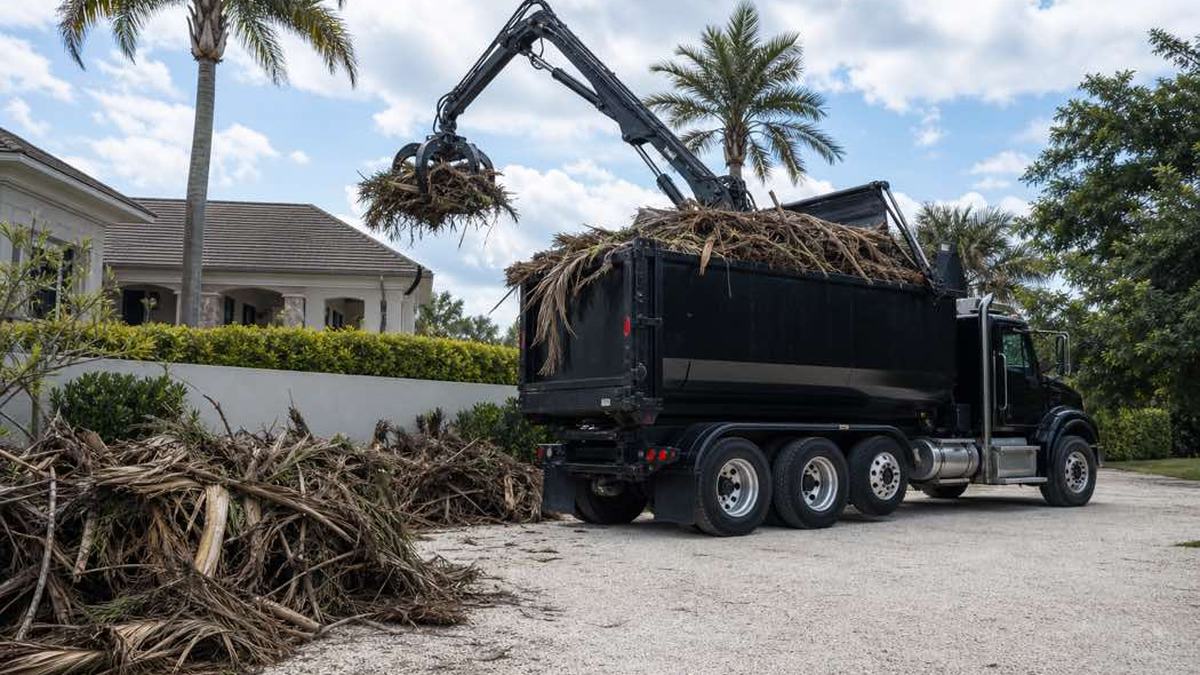
Daytona Grapple Truck Service is a hauling-only service based in Ormond Beach. It serves Volusia and Flagler counties with a grapple truck that has a 50-yard capacity. The company does not cut palms or remove standing trees. Landscapers, tree contractors, maintenance teams, or property representatives must first cut or clear the material and place it where the truck can safely approach and load it.
When setting a recurring plan, document four basics:
A useful schedule is flexible enough to reflect actual accumulation. Some properties may need hauling aligned with landscape visits, while others may benefit from periodic review and pickup requests based on pile size. The goal is to keep the site functional while providing an accessible, consolidated loading area.
Commercial palm debris hauling should prioritize safe, presentable movement through the property. Coordinate grapple truck debris removal around sidewalks, entrances, courtyards, and service paths, then confirm that staged piles do not narrow pedestrian routes. For location-specific planning, review the Flagler Beach service area and identify a loading point away from primary guest circulation.
Cut fronds are long, rigid, and difficult to contain in a compact footprint. Even a modest pile can spread into a walkway or conceal curbs, wheel stops, signs, and uneven surfaces. Seed pods and loose plant material may also scatter beyond the original staging area. For customer-facing properties, prompt consolidation matters as much as the hauling date.
Before debris work begins, map the routes that should remain open:
Choose a staging location that does not require guests to walk around or through vegetation. Avoid placing fronds where their tips extend across a sidewalk, driveway apron, or doorway. If debris must remain temporarily, the property manager should use appropriate site controls and inspect the pile as conditions change.
Timing can reduce disruption. Consider coordinating cutting and hauling before a busy arrival window, after a scheduled landscape visit, or during a period with lighter pedestrian activity. The phone for Daytona Grapple Truck Service is answered 24/7, allowing property representatives to discuss hauling needs and scheduling considerations. That does not replace the need to prepare an accessible pile before pickup.
A practical commercial debris hauling schedule limits how long palm piles occupy valuable parking or interfere with vehicle circulation. Use the broader service area information when coordinating work across multiple properties, and select a staging zone that gives the grapple truck room to approach without trapping customer vehicles or obstructing routine deliveries.
Parking is often the most constrained resource at a coastal commercial property. A pile that consumes several spaces can affect guest convenience, tenant access, delivery activity, and traffic visibility. Debris should not be staged simply where it falls if that location creates a conflict with parked cars or turning movements.
Coordinate the landscape crew, property manager, and hauler before a larger trimming cycle. The plan should answer:
Keep piles consolidated and separated from parked vehicles. Fronds can shift, and hidden pieces may extend beyond the visible edge of a pile. Avoid mixing cones, pallets, landscape equipment, bagged trash, or unrelated materials into the loading area.
Properties near public roads should also consider traffic and right-of-way responsibilities. The Florida Department of Transportation maintenance resources provide information related to state transportation infrastructure, but they do not represent property-specific authorization. Contact the agency responsible for the particular road or right of way before placing material or planning activity that may affect it.
Efficient commercial palm debris hauling depends on a clean handoff between the crew cutting vegetation and the company hauling it. Share staging instructions with the landscaper, review grapple truck debris removal requirements, and use the contact page to discuss the expected material, access conditions, and timing before the cleanup begins.
Daytona Grapple Truck Service does not cut or remove standing trees. It loads and hauls debris after palms or other vegetation have been cut or cleared. Defining that boundary early helps a manager assign each part of the project correctly.
| Task | Typical responsible party | Planning detail |
|---|---|---|
| Cutting or clearing vegetation | Landscape or tree-service provider | Confirm the work scope and where material will fall. |
| Consolidating debris | Cutting crew or site team | Create an accessible pile free of unrelated waste. |
| Protecting site access | Property representative | Manage parking, gates, pedestrian routes, and vendors. |
| Loading and hauling | Daytona Grapple Truck Service | Confirm material type and truck access in advance. |
The staging area should be reachable by the truck and grapple without avoidable obstructions. Tell the hauling provider about locked gates, narrow drive aisles, soft ground, overhead wires, tree canopies, roof overhangs, signs, or other features that may affect access. Photos and clear site directions can support the planning conversation, but actual conditions still need to be suitable when the truck arrives.
Keep the pile as clean as possible. Palm fronds, cut trunk sections, seed pods, and related vegetation should not conceal bags, metal, concrete, chemicals, pressurized containers, or other unrelated items. If construction debris is part of a commercial cleanup, approved material may be hauled only after confirmation. Do not assume mixed or potentially hazardous material will be accepted.
A storm-season commercial palm debris hauling plan should establish contacts, staging locations, and material-separation practices before high winds create extra work. Review commercial hauling options and save the contact information so an authorized property representative can describe conditions, access, and debris after the site has been assessed and vegetation has been cut or cleared.
Storm-related volume is less predictable than routine trimming. Fallen fronds, damaged landscape material, fencing, signs, building components, and ordinary waste may be scattered together. Separating materials where practical can make the cleanup easier to evaluate and prevent a vegetation pile from becoming contaminated with prohibited or unconfirmed items.
The U.S. Environmental Protection Agency guidance on natural-disaster debris planning discusses advance planning and the complexity of managing different debris streams. FEMA also publishes debris removal guidance for communities and residents. These agencies do not endorse Daytona Grapple Truck Service, and their general information does not establish eligibility or local requirements for a particular property.
Use a pre-storm checklist:
After a storm, assess hazards before moving or staging material. Do not place workers or contractors near downed utilities, unstable structures, hanging limbs, floodwater, or traffic hazards. Contact the appropriate emergency service, utility, property professional, or public agency when those conditions exist.
The right commercial palm debris hauling frequency balances site appearance, usable space, and actual landscape output. A manager can compare recurring needs through the commercial debris service and confirm coverage through the Volusia and Flagler service area. Schedule reviews around trimming cycles, occupancy patterns, special events, and storm season rather than relying on an unchanging calendar.
A 50-yard-capacity truck can support substantial hauling needs, but capacity should not be treated as a promise of an exact number of palms, piles, or projects per load. Frond length, trunk density, moisture, pile arrangement, mixed material, and access all affect loading. Describe the debris and provide current photos when discussing a pickup.
Consider three scheduling models:
Measure success through operational indicators, not just the number of pickups. Track whether debris blocks spaces, remains through busy guest periods, spreads from the staging area, or repeatedly requires staff to move it. These patterns may show that the frequency, trimming schedule, or staging location needs adjustment.
Multi-property managers can standardize a simple request format: property address, onsite contact, material description, approximate pile dimensions, access notes, photos, and preferred operational window. Each location should still be evaluated individually because entrances, parking layouts, and overhead clearance vary.
Before each commercial palm debris hauling visit, confirm that the material is cut, consolidated, and accessible. Review the debris removal service and send property-specific details through the service contact page. A short readiness check can reduce conflicts involving locked entrances, occupied parking spaces, mixed debris, overhead obstacles, or piles placed beyond practical truck reach.
Assign one person to complete the check and communicate changes. That person should understand both the landscaping scope and daily property operations. If the pile changes significantly after the request, provide updated details before hauling.
Material checklist
Access checklist
Administrative checklist
For official solid-waste information in neighboring Volusia County, consult Volusia County Solid Waste and Recycling. Flagler Beach properties should contact the appropriate Flagler Beach, Flagler County, state, or other responsible authority for current rules affecting their specific site. Government policies can change and should be verified directly.
These answers cover recurring schedules, truck capacity, site preparation, storm debris, and service boundaries for commercial palm debris hauling. For a broader overview, visit commercial debris hauling and the Flagler Beach service page. Property managers should confirm material and access details directly, particularly when a pile contains anything beyond cut vegetation.
No. Daytona Grapple Truck Service is a hauling-only service and does not cut palms or remove standing trees. A landscaper, tree contractor, maintenance crew, or property representative must cut or clear the vegetation first. The resulting debris should then be consolidated in a location where the grapple truck can approach and load it without avoidable site conflicts.
Yes, a commercial property can discuss a recurring pickup plan based on its trimming cycle, available staging space, guest activity, parking needs, and seasonal volume. The schedule should remain adjustable because wind events and major landscape work can change accumulation. Call to describe the property, debris, access constraints, and preferred coordination process.
The grapple truck has a 50-yard capacity. That figure should not be converted into an exact number of palms, piles, or pickups because debris density, frond length, trunk sections, moisture, arrangement, and mixed materials affect loading. Current photos, approximate pile dimensions, and an accurate material description are more useful for discussing the hauling need.
Approved construction debris can be hauled after confirmation, but acceptance should not be assumed. Keep construction material separate from palm debris and describe each material before service. Do not place chemicals, questionable containers, or potentially hazardous items in the pile. The responsible authority should answer questions about current disposal requirements or prohibited materials.
Eligibility and public pickup rules depend on current government programs, the location, the applicant, and the specific event. Daytona Grapple Truck Service does not determine those rules. Contact the responsible local authority and consult current FEMA information before making decisions. Keep records required by your organization or agency, and do not assume private hauling is reimbursable.