August 21, 2026
An Edgewater landscape renovation can create several distinct debris streams. Learn how to sort vegetation, soil-heavy material, edging, containers, and items that need confirmation before scheduling hauling.
For bulk yard waste after landscape renovation, begin by separating vegetation from dirt-heavy material, hard edging, empty containers, and anything with uncertain contents. This makes it easier to discuss bulk yard waste hauling and confirm local access through the Edgewater service area page before the truck arrives.
Landscape renovation debris is rarely one uniform pile. Removing shrubs, replacing beds, pulling border materials, and changing planters can produce organic debris alongside soil, plastic, metal, concrete, and products that require special handling. Mixing everything together can obscure heavy material or place an unacceptable item beneath otherwise straightforward vegetation.
Use five working categories while the project is underway:
Keep each category visible and reachable. Do not conceal containers, hard debris, or loose soil under branches. Clear sorting supports a more accurate conversation about the material and whether approved construction debris or another non-vegetative category can be hauled after confirmation.
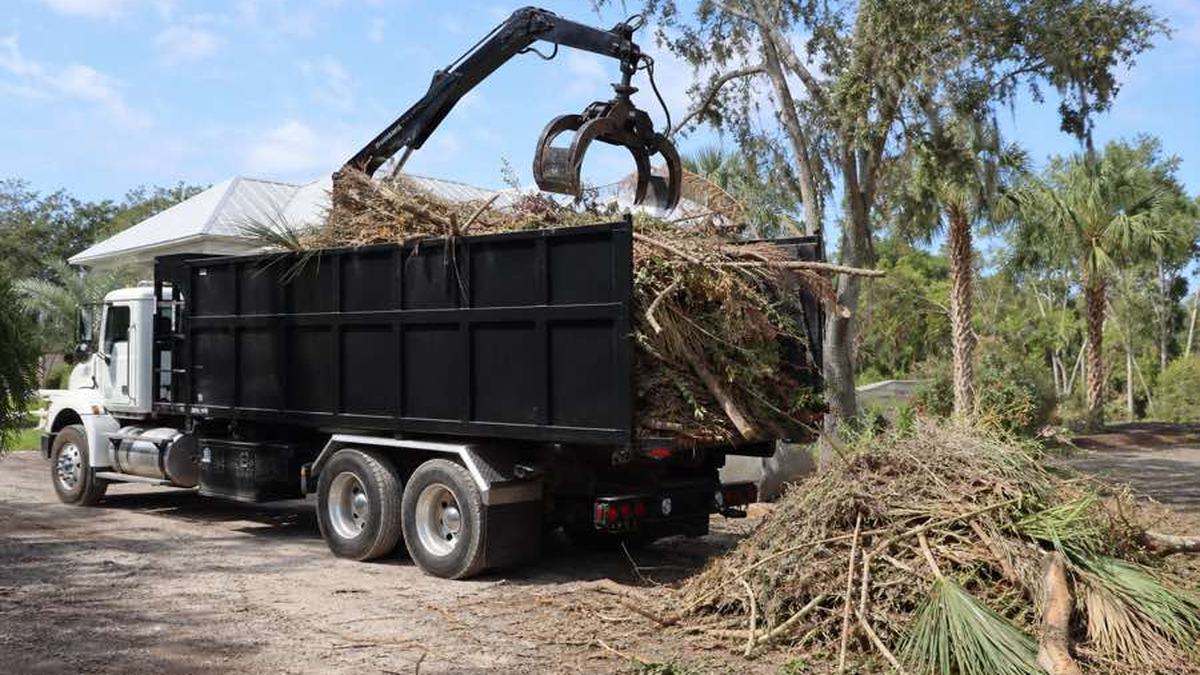
Place cut vegetation in a distinct pile that can be reached safely from the truck’s staging position. Daytona Grapple Truck Service provides grapple truck debris removal after plants or trees have been cut or cleared, while the broader bulk yard waste hauling service explains the hauling focus. The company does not cut or remove standing trees.
A vegetation-only pile may include branches, fronds, trimmed hedges, uprooted shrubs, vines, leaves, and other plant material generated by the renovation. Shake loose soil from roots when practical and place soil-heavy root balls in their own area. This separation matters because a branch pile and a pile dominated by dense earth present different loading considerations.
Prepare vegetation with practical access in mind:
If standing trees, palms, or shrubs still need to be cut, arrange that work separately. Daytona Grapple Truck Service is a hauling-only service based in Ormond Beach. Its role begins after debris has been cut, cleared, and positioned for hauling.
Dense material deserves its own plan because soil, wet sod, and large root balls differ substantially from loose branches. Before arranging grapple truck hauling, describe the approximate pile dimensions and composition through the contact page. The truck has a 50-yard capacity, but volume alone does not determine how a soil-heavy pile should be evaluated.
Landscape renovations in Edgewater may expose sandy soil, compacted fill, wet bed material, or roots holding substantial earth. Even when a pile looks modest, retained soil can make it much denser than clean vegetation. Avoid assuming that container size or visible pile volume predicts an exact number of loads.
| Material | Recommended separation | Details to report |
|---|---|---|
| Loose soil | Keep in a defined pile apart from vegetation | Approximate dimensions, moisture, and contamination |
| Sod | Stack separately when practical | Whether thick soil remains attached |
| Root balls | Group away from branches | Approximate size and amount of retained soil |
| Wet mulch | Keep apart from dry trimmings | Whether it contains soil, fabric, or plastic |
| Mixed excavation debris | Do not add until confirmed | Presence of rock, pipe, concrete, or unknown material |
Keep soil off pavement drains and out of the travel path when possible. A tarp or suitable containment method may help prevent loose material from spreading, but do not package material in a way that hides its contents or prevents practical loading. If the pile includes concrete, brick, pipe, or demolition material, identify those components in advance. Approved construction debris may be hauled only after confirmation.
Removed edging and hardscape pieces should not disappear beneath yard trimmings. Group them by material, then use the contact page to request confirmation and review Edgewater hauling information. Plastic edging, metal strips, pavers, blocks, and poured border fragments can have sharp edges, hidden stakes, or construction-debris characteristics that need to be discussed.
Start by pulling stakes, pins, and connectors from edging when this can be done safely. Coil flexible plastic edging without creating excessive tension, and bundle manageable straight pieces only if the bundle remains visible and identifiable. Do not place sharp metal strips where people, tires, or pets may encounter them.
Use this sorting checklist:
Some landscape renovations overlap with construction work, especially when beds are framed with masonry, retaining components, or treated lumber. Daytona Grapple Truck Service can haul approved construction debris after confirmation, but approval should not be assumed from appearance alone. Provide a clear description or requested photos before combining hard materials.
Nursery pots, decorative planters, soil bags, irrigation pieces, and landscape fabric require more attention than ordinary plant debris. Keep them empty and separate while reviewing bulk yard waste hauling options and confirming property coverage through the service area directory. Daytona Grapple Truck Service covers Volusia and Flagler counties, including Edgewater within Volusia County.
Empty does not always mean ready to combine. A planter may contain soil, drainage rock, broken ceramic, or a hidden reservoir. A product bag may hold fertilizer, pesticide, or another residual substance. Irrigation components may include metal fittings, valves, wiring, batteries, or electronic controllers. Sort these materials where their contents can be inspected and described.
Before scheduling, check the following:
For public guidance on local solid-waste programs and where specific materials may belong, consult Volusia County Solid Waste and Recycling. The county is the appropriate authority for its current program requirements. Its information should not be interpreted as an endorsement of Daytona Grapple Truck Service.
Set questionable items aside rather than burying them in a haul pile. Contact Daytona Grapple Truck Service to describe the material, and use the Edgewater service page for local service context. No blanket acceptance should be assumed for chemicals, fuels, batteries, pressurized cylinders, treated products, contaminated soil, unidentified liquids, or other potentially prohibited materials.
Landscape work can uncover products left in sheds, beds, garages, or old containers. Labels may be faded, lids may be damaged, and liquids may have been transferred into unmarked bottles. Do not open, smell, mix, burn, drain, or consolidate unknown substances. Keep people and animals away and seek direction from the responsible public authority or product guidance.
Items that require advance confirmation include:
For broader planning principles, the U.S. Environmental Protection Agency’s disaster debris guidance emphasizes advance planning and separating debris streams. Although that resource addresses disaster debris rather than routine landscaping, its separation principles are useful. Contact Volusia County or another responsible authority for current local disposal directions.
A well-sorted pile still needs a workable loading area. Before requesting grapple truck debris removal, review the property approach and share access details through the contact page. Mention narrow streets, gated entrances, soft shoulders, overhead wires, low branches, septic areas, irrigation features, parked vehicles, and any location where truck positioning may be restricted.
Choose pile placement only after considering both loading and neighborhood safety. Keep debris on your property unless the responsible authority expressly directs otherwise. Avoid blocking sidewalks, travel lanes, drainage paths, fire access, mail service, or visibility near intersections and driveways. Do not assume that a right of way, swale, or roadside placement is permitted.
Use a final site-preparation checklist:
If debris is near a state-maintained road, consult the Florida Department of Transportation for the appropriate current maintenance or right-of-way information. For county or municipal streets, contact the authority responsible for that roadway. Daytona Grapple Truck Service does not determine government placement, pickup, permit, or code requirements.
These answers summarize key planning points for Edgewater property owners arranging bulk yard waste hauling. For material-specific confirmation, truck access questions, or scheduling details, use the contact page. The phone is answered 24/7, but acceptance, site conditions, and hauling arrangements still depend on the debris description and access information provided.
Cut branches, palm fronds, shrubs, vines, and similar vegetation can generally be grouped as a visible vegetation pile for discussion. Keep root balls with substantial soil, plastic pots, metal stakes, masonry, and chemicals separate. Daytona Grapple Truck Service hauls debris after it is cut or cleared and does not cut or remove standing trees.
Keep sod and soil-heavy root balls apart from loose branches when practical. Retained earth makes these materials denser and may affect loading considerations even when the visible pile is not large. Describe approximate dimensions, moisture, and soil content when contacting the service rather than relying only on a volume estimate.
These materials should be separated and confirmed before hauling. They may fall within a hardscape or construction-debris category rather than ordinary vegetation. Daytona Grapple Truck Service can haul approved construction debris after confirmation. Report masonry type, approximate quantity, attached soil or mortar, and whether metal reinforcement or other mixed material is present.
Do not mix them with vegetation or other renovation debris. Keep containers closed, upright, identifiable, and away from people or animals when safe to do so. Contact the responsible local authority for current handling directions, and ask the hauling service for confirmation. Never assume acceptance of hazardous, prohibited, leaking, or unidentified material.
Place sorted material in an accessible area on your property, away from overhead lines, vehicles, fences, utilities, structures, and soft ground. Keep different debris categories visible and disclose sharp or hidden material. Share gate, road, turning, and surface limitations in advance. Do not assume roadside or right-of-way placement is allowed.