August 22, 2026
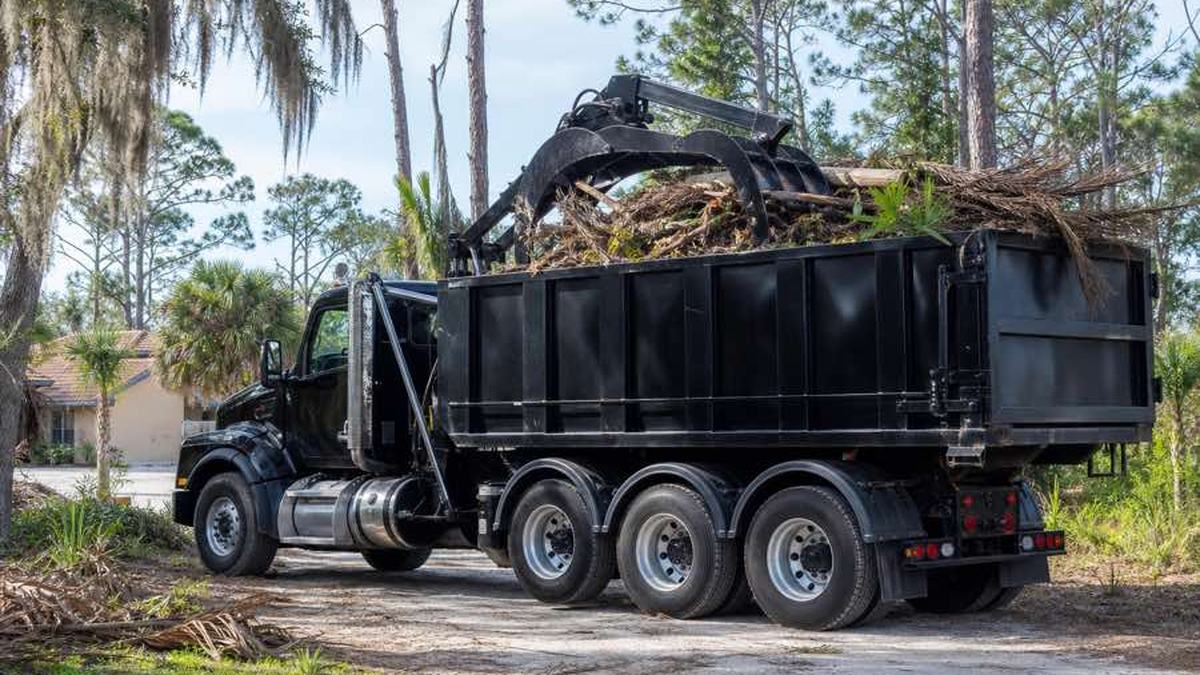
Wet limbs, leaves, and brush can often be hauled by grapple truck, but saturation affects weight, handling, ground conditions, and access. Smart pile preparation helps reduce delays and property disturbance.
Yes, grapple truck debris removal can handle many piles of rain-soaked limbs, brush, leaves, and cut vegetation. Successful Daytona Beach service depends on more than whether the grapple can lift the material. Saturation adds weight, loosens soil, changes how a pile holds together, and may limit where a 50-yard truck can safely position for loading.
Wet yard debris is not automatically unsuitable for hauling. A grapple can lift cut branches, palm material, brush, and other vegetation after clearing. The practical question is whether the pile can be reached and loaded without creating unnecessary damage, contamination, or safety concerns.
Daytona Grapple Truck Service is a hauling-only service based in Ormond Beach. It does not cut or remove standing trees. Property owners, tree crews, landscapers, or other contractors must cut or clear the material before pickup. Service covers Volusia and Flagler counties, and the phone is answered 24/7 for scheduling and project discussions.
Before arranging pickup, identify what is actually in the pile. Wet organic debris may conceal fencing, metal, plastic, concrete, treated wood, household trash, or other material that requires separate handling. Approved construction debris may be hauled after confirmation, but it should not be mixed into a vegetative pile unless the material has been discussed in advance.
For bulk yard waste hauling, rain can make a pile substantially heavier without making it look larger. When planning service anywhere in the Volusia and Flagler service area, volume is only one consideration. Leaves, mulch, decayed wood, palm fibers, and fine brush can retain water, so a visually modest pile may place greater demands on lifting, loading, and transport.
A 50-yard truck describes volumetric capacity, not a promise that every wet pile can fill the body to the same level. Transport decisions also depend on weight, debris density, distribution in the truck, and the type of material. Exact load counts should not be estimated from photographs or cubic-yard appearance alone.
Different materials react differently after a Daytona Beach downpour:
Keeping different debris types reasonably separated makes the pile easier to assess. Place heavy logs where they remain visible rather than burying them under wet leaves. Avoid adding soaked soil, sand, or sediment. Those materials increase weight quickly and turn a yard-debris pickup into a mixed-material question that must be reviewed before hauling.
Even when a pile is loadable, grapple truck service must account for the ground supporting the vehicle and stabilizing equipment. Before using the contact page, note soft shoulders, recently installed sod, irrigation areas, septic components, pavers, swales, and low spots. Saturated Florida soil can rut, shift, or compact under a heavy truck, particularly near drainage edges.
The best loading position is usually a firm, level surface that allows the truck to approach, stabilize, and operate without crossing fragile landscaping. A paved driveway or suitable hard surface may offer better support than grass, but dimensions, slope, underground features, and overhead clearance still matter. Never assume a residential surface can support heavy equipment solely because passenger vehicles use it.
Soil disturbance can happen in several ways. Tires may sink into soft turf. Stabilizing equipment may press into saturated ground. Repeated steering can tear sod. Grapple contact can pull loose soil or mulch into the debris. Water-filled depressions can hide washouts, curbs, irrigation heads, or unstable edges.
| Ground condition | Primary concern | Useful preparation |
|---|---|---|
| Firm pavement | Surface strength, slope, clearance | Clear vehicles and identify fragile edges |
| Wet grass | Rutting, compaction, torn sod | Avoid unnecessary vehicle travel across the lawn |
| Sandy shoulder | Sinking or edge failure | Keep the pile near firm access without blocking traffic |
| Swale or drainage area | Soft soil, hidden water flow, contamination | Keep debris out of channels and disclose the location |
| Pavers or decorative surfaces | Shifting or concentrated loads | Discuss surface construction before access |
Do not place boards, plates, or makeshift supports for a heavy truck unless their use has been specifically coordinated. Improvised protection can move or conceal weak ground. If the only approach crosses saturated landscaping, waiting for better conditions or relocating the pile with appropriate equipment may be the more practical decision.
Wet debris often clumps, compresses, or breaks apart, affecting how efficiently the grapple can separate and lift it. A well-organized pile for yard debris hauling should keep long branches aligned and loose material contained. The grapple truck debris removal process works best when vegetation is visible, reachable, and free from tangled wire, fabric, soil, and hidden objects.
Pile cohesion describes how material holds together. Rain can increase cohesion in leaves, grass, mulch, and fine brush, causing them to behave like a heavy mat. By contrast, decayed branches may lose strength and fragment when lifted. Both conditions can slow sorting and make the pile’s true composition difficult to see.
Long vines are another concern. They can bind branches together, wrap around fencing, or connect the pile to vegetation that has not been fully cut. Confirm that vines, roots, and limbs are detached from standing trees, shrubs, structures, and utility features before pickup. The service hauls cleared debris and does not perform cutting or standing-tree removal.
Use this pile-building checklist:
A compact pile is not always a better pile. Mechanical compaction can force soil into the vegetation or create a dense mass that is harder to separate. Neat placement, material separation, and clear visibility are more useful than crushing the pile into the smallest possible footprint.
Access decisions for grapple hauling in Daytona Beach consider truck positioning, turning room, surface stability, overhead space, and the grapple’s reach. When requesting service through Daytona Grapple Truck Service, explain whether the pile is curbside, beside a driveway, behind a gate, or across soft ground. A reachable pile can still be unsuitable if loading would conflict with traffic, utilities, structures, or unstable soil.
Rainfall at the property is only part of the picture. Water can collect after the rain stops, and low areas may remain saturated longer than nearby pavement. A site that appeared firm when the pile was built may change before pickup. Keep the route open and report meaningful changes in ground condition.
Important access details include:
Do not place debris under power lines or against utility equipment. For questions about state-road conditions or maintenance responsibilities, consult the Florida Department of Transportation maintenance resources or the authority responsible for the specific roadway. Daytona Grapple Truck Service does not determine right-of-way, permit, traffic-control, or placement requirements.
Good preparation for wet yard waste pickup starts with separation, drainage, and a firm loading location. Residents within the covered service area should keep cut vegetation apart from household waste, soil, and unconfirmed construction debris. If rainfall is expected, avoid placing the pile where runoff will carry sediment through it or where standing water will conceal the pile’s base.
Allow natural drainage when possible, but do not burn debris, add chemicals, or move runoff toward neighboring property or storm drains. Covering fine material may limit additional rainfall, yet a tarp must be removed before loading and should never be tangled through the pile. Secure any cover so it does not become windblown litter.
Before pickup:
Local public collection and disposal requirements can change. Consult Volusia County Solid Waste and Recycling for current county information relevant to your location. If the property is within a municipality or in Flagler County, contact the government or service authority responsible for that address rather than relying on general guidance.
Storm cleanup may create wet vegetation, damaged outdoor items, and building material in one area, but grapple truck pickup should begin with clear separation. Property owners can review Daytona Beach hauling information and then describe each material category before scheduling. Approved construction debris can be hauled after confirmation, while hazardous, prohibited, or unidentified materials should never be assumed acceptable.
Separate piles help prevent vegetative debris from becoming contaminated by nails, roofing material, glass, chemicals, electronics, fuel containers, or damaged household goods. They also make wet weight easier to evaluate. Keep questionable material isolated and describe it accurately rather than hiding it beneath branches.
The U.S. Environmental Protection Agency’s disaster debris planning guidance explains broader planning considerations for natural-disaster waste. The Federal Emergency Management Agency’s debris removal guidance offers general community cleanup information. These agencies do not endorse Daytona Grapple Truck Service, and their resources do not establish acceptance, payment, reimbursement, or eligibility for a particular property.
Do not assume a private hauling service qualifies for government reimbursement or that placing debris in a particular location satisfies current public pickup rules. FEMA eligibility, public collection, disposal instructions, rights-of-way, permits, and local code questions should be directed to the agency or government authority responsible for the specific program and address.
When calling, classify the material as accurately as possible:
This information supports an appropriate hauling decision and avoids blanket assumptions about mixed or potentially hazardous debris.
These answers summarize common planning points for bulk yard waste hauling and the broader Volusia and Flagler service area. Wet debris can often be picked up, but weight, pile composition, truck access, and soil stability matter. Daytona Grapple Truck Service hauls debris after cutting or clearing, uses a 50-yard truck, and answers the phone 24/7.
Not always. Cut limbs, brush, palm material, and leaves may be hauled while wet if the material is acceptable and the truck can reach a stable loading position. Drying can reduce retained water in fine or absorbent debris, but access and soil conditions may matter more. Report standing water, mud, and recent rainfall when discussing the pickup.
That decision depends on site conditions and should not be assumed. Saturated turf can rut, compact, or fail beneath heavy equipment, and hidden irrigation or drainage features add risk. A firm, accessible loading position is preferable. Describe the route, slope, surface, and underground features before service, and avoid building a pile that requires travel across soft landscaping.
Do not assume bagging is required or preferred. Bags can hide contamination and may behave differently from loose grapple-ready vegetation. Keep fine material contained in a clean, accessible pile without mixing in soil, plastic, household trash, or unknown objects. Confirm the preferred preparation for leaves, clippings, and small debris when arranging the specific pickup.
Approved construction debris may be hauled after confirmation, but it should not automatically be mixed with vegetation. Wet drywall, lumber, roofing, concrete, and other materials have different weight and disposal considerations. Separate them, identify each material, and request confirmation before pickup. Never assume hazardous, prohibited, liquid, or unidentified waste will be accepted.
No. Daytona Grapple Truck Service is hauling-only and does not cut or remove standing trees. Trees, limbs, vines, and roots must be cut or cleared and fully detached before pickup. A tree contractor, landscaper, or property owner must complete that work separately. The hauling discussion can then address pile placement, wet weight, access, and material separation.