August 22, 2026
A grading-ready site depends on more than removing brush. Use a practical sequence for debris consolidation, truck access, stump decisions, approved construction material, and a documented handoff in Bunnell.
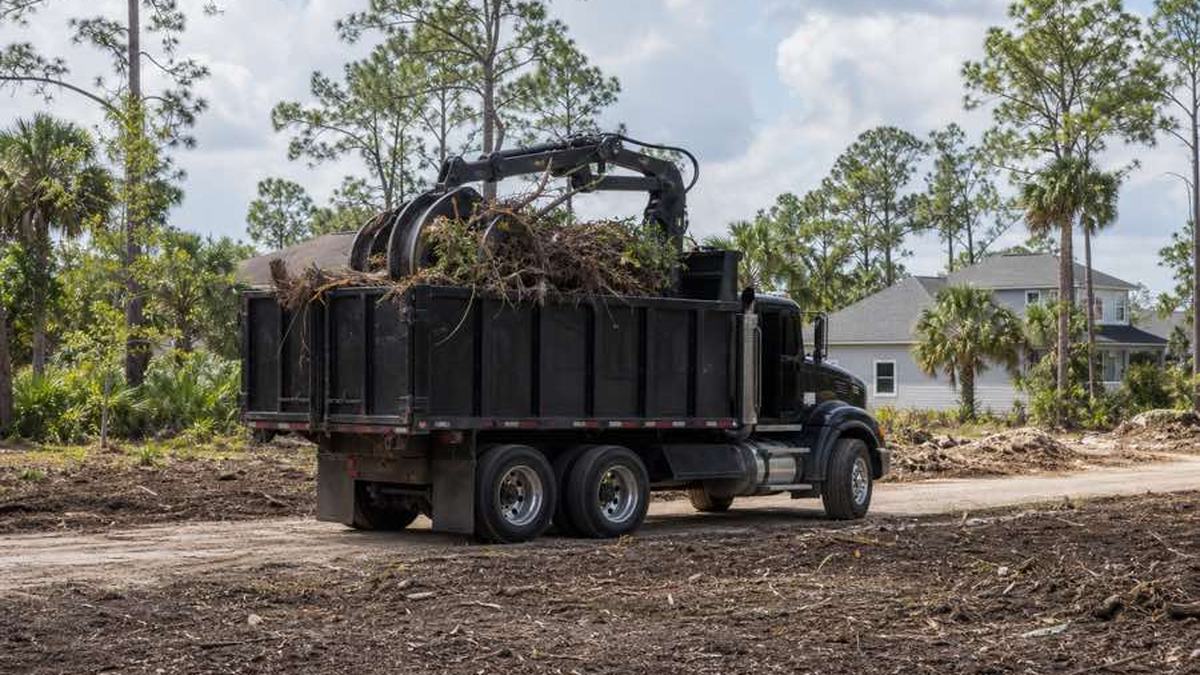
To haul land-clearing debris before grading, organize the work around four stages: consolidation, load-out, stump decisions, and a documented handoff. Daytona Grapple Truck Service provides hauling-only support in the Bunnell service area after vegetation has been cut or cleared. A deliberate sequence helps preserve truck access and keeps leftover material from interfering with the grading contractor.
Land clearing and grading may look like one continuous operation, but each phase needs different site conditions. Cutting creates loose limbs, logs, brush, and sometimes stumps. Hauling requires accessible piles and stable positioning space. Grading needs open travel paths and a clear understanding of what remains above and below the surface.
A practical sequence is:
This sequence reduces avoidable reshuffling. If piles are placed wherever material falls, equipment may have to move the same debris several times. Worse, a pile can occupy the only stable loading position or narrow access to the pad. Planning the haul while the clearing layout is still adjustable is usually more efficient than solving access problems after the site is crowded.
Preserve one usable route from the entrance to the load-out area, plus enough room for safe truck positioning. The grapple truck debris removal plan should complement the broader Volusia and Flagler service area logistics, not compete with grading equipment. In Bunnell, site-specific conditions such as soft ground, drainage features, gates, overhead obstructions, and turning space should be discussed before piles are finalized.
The truck has a 50-yard capacity, but capacity alone does not determine whether a pile can be removed efficiently. Material shape, density, contamination, pile location, and access all matter. Long tangled limbs behave differently from compact brush, heavy stump sections, or mixed construction debris. Exact load counts should not be assumed from a visual estimate.
Use this access checklist before scheduling load-out:
Weather can change access even when the pile itself is ready. Saturated soil may rut, shift, or stop supporting heavy equipment. A clear route on a dry planning day is not automatically a workable route later. The property owner or project lead should evaluate current ground conditions and coordinate with the clearing and grading contractors before authorizing truck movement.
If the entrance connects to a state-maintained roadway or the work may affect a state right of way, consult the Florida Department of Transportation maintenance resources or the responsible roadway authority. Requirements vary by location and activity, so current access, traffic-control, or right-of-way rules should be confirmed directly with the appropriate authority.
Place cut vegetation in consolidated, reachable piles with clear edges and minimal soil mixed into the material. The land-clearing debris removal service hauls debris after it is cut or cleared, while the contact page provides a way to discuss material type and access. Good pile construction helps protect the future grading area and reduces unnecessary handling before load-out.
Choose pile locations with both current hauling and later grading in mind. A convenient dumping spot for a skid steer may be a poor loading spot for a truck. Piles should be reachable without driving over septic areas, soft shoulders, buried utilities, fresh fill, or surfaces that the grading contractor is expected to preserve.
Better pile practices include:
Multiple smaller piles are not always better. They can require repeated truck repositioning and may scatter loading activity across the site. One oversized pile can also create problems if it blocks access or conceals mixed material. The better approach is a limited number of consolidated piles arranged around a realistic loading position.
Do not use the pile as a catch-all during site cleanup. A vegetative pile that later receives wire, roofing, containers, treated material, or unidentified waste may need to be re-sorted. Keep a separate, clearly marked area for anything that is not confirmed as acceptable hauling material.
Decide how stumps and root balls will be handled before the final vegetative load-out. Daytona Grapple Truck Service offers hauling after clearing, not standing-tree cutting or stump extraction. Property owners and contractors in the Bunnell service area should identify who will extract, grind, stage, or retain each stump so grading does not begin around unresolved obstacles.
Stumps deserve a separate decision because they are heavy, irregular, and often hold substantial soil. A root ball that appears manageable in the ground may become much larger once extracted. Soil and rocks trapped in roots add weight and can affect handling or disposal acceptance.
| Stump decision | Hauling and grading consideration |
|---|---|
| Leave in place | Mark it clearly and confirm that it does not conflict with planned grades, structures, utilities, drainage, or equipment travel. |
| Grind | Determine who handles grindings and whether subsurface roots or voids require attention before grading. |
| Extract | Plan equipment, staging space, soil removal, and confirmation that the resulting material can be hauled. |
| Handle separately | Keep stumps apart from ordinary brush when material condition or disposal requirements need review. |
The grading contractor should know where stumps were removed. Extraction can leave voids, disturbed soil, and root channels that are not obvious after loose material is pushed back. Those areas may need evaluation or preparation beyond debris hauling. Hauling removes staged material, but it does not certify soil condition, compaction, drainage performance, or grade suitability.
Before load-out, remove excess loose soil from extracted root balls when practical and safe for the clearing contractor to do so. Do not assume every stump, root ball, or soil-heavy piece will be accepted without confirmation. Describe the approximate size, quantity, soil content, and accessibility when discussing the haul.
Separate vegetative debris from construction material, household waste, and anything unidentified before the truck arrives. Daytona Grapple Truck Service can discuss grapple truck hauling, and approved construction debris may be hauled after confirmation through direct contact. Confirmation is important because material categories, disposal options, and site conditions can affect whether a particular load can be handled.
Clearing sites often accumulate more than limbs and brush. Old fencing, landscape timbers, concrete pieces, pipe, packaging, roofing, and abandoned containers can appear as vegetation is removed. Mixing these items into a brush pile can complicate handling and may cause the entire pile to require additional review.
Create three working categories:
Do not place fuel containers, chemicals, batteries, pressurized cylinders, suspected asbestos-containing material, paint, pesticides, or unidentified liquids into a debris pile for pickup. This is not a complete regulatory list, and acceptance should never be inferred from omission. The responsible local or state authority should be consulted about current handling and disposal requirements.
For disaster-related debris planning, the U.S. Environmental Protection Agency's disaster debris guidance explains why communities plan for separation, temporary storage, collection, and disposal. The EPA does not endorse this business. Its guidance is useful background for understanding why source separation matters, especially when storm debris and ordinary land-clearing material overlap.
Schedule hauling after enough debris is consolidated to support an orderly load-out, but before piles block grading access. The phone for Daytona Grapple Truck Service is answered 24/7, and service covers Volusia and Flagler counties. Use the service-area information to confirm coverage and the contact options to provide site details. Phone availability does not establish a particular truck arrival or completion time.
Timing should be based on project dependencies rather than a guess about pile volume. If hauling occurs too early, later cutting may create new piles in the grading route. If it happens too late, the grading crew may arrive to find its entrance, stockpile area, or equipment path occupied.
Share the following before load-out:
Build a scheduling buffer between hauling and grading when the project allows. The buffer gives the project lead time to inspect for scattered debris, unresolved stumps, holes, mixed material, or access changes. It also allows communication if a pile contains material that was not described beforehand.
Government collection and disposal programs can change, particularly after storms. For current county solid-waste information, contact the authority responsible for the property. Bunnell is in Flagler County, so verify current local options with the appropriate Flagler County or municipal office. The Volusia County Solid Waste and Recycling page is relevant for properties in Volusia County, not a statement of service or rules for Bunnell.
Complete the hauling phase with a simple written and photographic handoff to the grading contractor. After cleared debris has been hauled, note anything that remains and share access conditions. Bunnell project leads can use the local service page for hauling context, but the grading contractor remains responsible for evaluating whether the site is ready for its scope of work.
A handoff is not a formal certification. It is a practical record that reduces assumptions between the owner, clearing contractor, hauling provider, and grading contractor. Take wide photos from fixed reference points, plus close photos of any condition that needs attention.
Include these items in the handoff:
Ask the grading contractor to review the site before mobilizing when possible. The contractor may need different clearance, turning space, stockpile locations, or soil preparation than the hauling operation. A visually cleaner property is not necessarily ready to grade, particularly where roots, buried debris, organic soil, or extraction voids remain.
If debris is associated with a declared disaster, do not assume private hauling costs or activities qualify for reimbursement. The Federal Emergency Management Agency's debris removal guidance provides general public information, but FEMA does not endorse this business. Preserve records and ask the responsible government agency or program administrator about current eligibility and documentation requirements.
These answers summarize how to plan hauling before grading, including service boundaries, truck capacity, debris preparation, and stump coordination. For a fuller service description, review land-clearing debris removal and the Bunnell coverage page. Material acceptance and site access must be confirmed for the specific property, and regulatory questions should go to the responsible authority.
No. Daytona Grapple Truck Service is a hauling-only service based in Ormond Beach. It does not cut or remove standing trees. A tree or land-clearing contractor must cut or clear the vegetation first, then stage the resulting debris where it can be evaluated and reached for loading without obstructing the grading route.
The truck has a 50-yard capacity. That figure describes container capacity, not a guaranteed amount of property debris or an exact load count. Branch length, density, stump content, mixed materials, soil, pile arrangement, disposal requirements, and truck access can all affect how material loads. Provide photos and an accurate debris description when discussing the project.
Approved construction debris can be hauled after confirmation, but it should not automatically be mixed with vegetation. Separate the materials and identify components before scheduling. Keep chemicals, batteries, pressurized containers, unidentified liquids, and other questionable material isolated. Contact the appropriate waste or environmental authority for current rules concerning hazardous or prohibited items.
Hauling should occur after cut debris has been consolidated and stump decisions are clear, but before piles interfere with grading access. Leave time for a post-haul inspection when the schedule allows. The grading contractor should receive notes about remaining debris, stump locations, disturbed soil, access limitations, and any material still awaiting acceptance confirmation.
Yes. Daytona Grapple Truck Service covers Flagler and Volusia counties, which includes Bunnell in Flagler County. Service is based in Ormond Beach, and the phone is answered 24/7. The property address, debris type, pile location, truck access, ground conditions, and any construction material should be discussed before hauling is arranged.