August 22, 2026
A practical pre-storm framework for mapping Daytona Beach properties, confirming access contacts, designating debris pile zones, and prioritizing routes for efficient post-storm hauling.
Effective hurricane debris route planning starts with a separate access plan for every site, not one general portfolio map. Daytona Beach property managers should connect each address to its gates, staging areas, contacts, and route constraints. Pair those records with the company’s Daytona Beach service information so post-storm hauling requests can be organized before conditions become complicated.
A route map should help a hauling provider understand where a property is, how a large truck can enter, where it can operate, and how it can leave without unnecessary backing or repositioning. A pin at the leasing office is not enough. Mark the actual service entrance and any alternate entrance that could be used if the primary approach is blocked.
Build a one-page route card for each apartment community, condominium, commercial property, or managed association. Keep a digital copy that can be opened on a phone and a printable copy for situations in which internet access is unreliable.
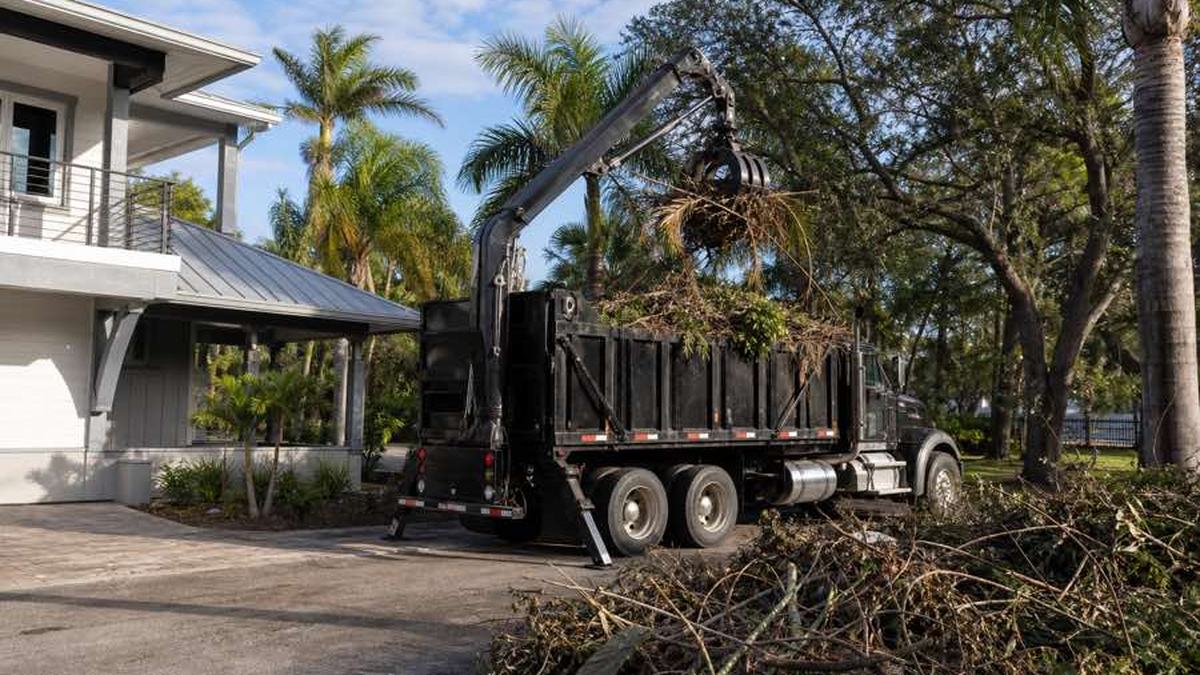
Review routes from the perspective of a 50-yard grapple truck. A route that works for a passenger vehicle may not provide enough turning room or overhead clearance. Do not assume an alternate gate is usable simply because it appears on an aerial image. Verify conditions on the ground before the storm.
A route is only useful when someone can authorize and open it. Link each site’s access roster to the planned grapple truck debris removal process and keep the request pathway on the contact page available to managers. Daytona Grapple Truck Service is based in Ormond Beach, and its phone is answered 24/7 for hauling inquiries across Volusia and Flagler counties.
Assign a primary contact and at least one backup for every property. The contact should understand the site plan, know who can authorize hauling, and have access to keys, gate controls, or vendor credentials managed by the property. Avoid relying on a single employee whose phone may be unavailable after severe weather.
Your contact sheet should distinguish between authority and access. A maintenance supervisor may be able to open a gate but may not be authorized to approve hauling. An asset manager may have approval authority but may be outside the area. List both roles clearly.
Decide how authorization will be documented within your organization. That may be a work order, email, vendor portal entry, or another internal process. The goal is to prevent delays caused by uncertainty about who requested service and which pile is ready.
If power-operated gates fail, use only lawful, property-approved contingency procedures. Never include instructions that require forcing a gate, moving utility equipment, or bypassing security controls.
Preselected pile zones make storm debris cleanup hauling easier to coordinate, but each zone must be reachable and clear of avoidable conflicts. Mark approved locations on the property map, then compare them with the operating needs described for grapple truck debris removal. Keep piles away from known overhead lines, blocked exits, hydrants, drains, and active traffic lanes.
A grapple truck needs a workable approach beside the pile and adequate overhead space for equipment movement. A neat pile in a confined courtyard may still be inaccessible. Likewise, material placed behind parked vehicles, fences, or landscape islands can require extra handling before it can be hauled.
Use a short evaluation checklist for every proposed zone:
Separate debris categories when practical and when directed by the responsible authority. Mixing vegetation with household chemicals, batteries, fuel containers, electronics, or other questionable material can create safety and disposal complications. Daytona Grapple Truck Service does not offer blanket acceptance of hazardous or prohibited materials. Material suitability should be confirmed before hauling.
The FEMA debris removal guidance offers general information about sorting and placement after disasters. The EPA’s natural disaster debris planning guidance also discusses advance planning and waste streams. These agencies do not endorse this business, and property managers should follow current instructions from the authority responsible for their location and material.
Priority routing should reflect access, safety, operational need, and debris readiness rather than simply the order in which properties call. Group locations using the broader Volusia and Flagler service area, then flag Daytona Beach sites with the local details on the Daytona Beach service page. A written ranking helps managers communicate which accessible, prepared sites should be evaluated first.
Create priority tiers before forecasts become urgent. The ranking should be an internal planning tool, not a promise of service order or response time. Actual access, road conditions, disposal options, material type, and site readiness can change after a storm.
| Planning tier | Typical criteria | Manager action |
|---|---|---|
| Tier 1 | Critical property operations, verified access, prepared pile zone, authorized contact available | Confirm conditions and submit complete hauling details |
| Tier 2 | Important access restoration needs, but a gate, parked vehicle, or sorting task remains | Clear the constraint and update the route card |
| Tier 3 | Noncritical area or debris not yet cut, cleared, consolidated, or confirmed | Complete preparation before requesting hauling |
Keep the distinction between hauling priority and emergency response clear. Grapple truck hauling is not a substitute for emergency services, utility response, road clearance by public agencies, or tree-cutting work. If a condition threatens life, public safety, or energized infrastructure, contact the appropriate emergency or utility authority.
For state-maintained roadway information, consult the Florida Department of Transportation maintenance resources and other official channels responsible for the affected route. Do not assume a familiar road will be open. Managers should verify conditions rather than direct a large truck toward unconfirmed flooding, downed lines, or barricades.
Route plans should accurately reflect the scope of grapple truck hauling: Daytona Grapple Truck Service hauls debris after it has been cut or cleared. It does not cut or remove standing trees. Property managers can use the storm debris cleanup service page to align landscaping, tree work, maintenance, and hauling as separate steps in the recovery plan.
Before requesting hauling, confirm that standing or hung-up material has been handled by an appropriate provider and that the debris is consolidated in an accessible pile zone. Do not ask a hauling operator to work beneath unstable limbs or around active cutting operations.
Approved construction debris can be hauled after confirmation. Provide an accurate description and photographs when possible because construction material varies widely. Never assume that damaged building contents, roofing, appliances, chemicals, pressurized containers, fuel, asbestos-containing material, or other regulated or questionable items will be accepted.
A useful readiness packet includes:
The truck has a 50-yard capacity, but capacity does not establish an exact number of loads for a property. Debris density, shape, moisture, compaction, contamination, and loading conditions affect each haul. Avoid promising owners or residents a specific load count without a site-specific assessment and confirmation.
When in doubt, describe the material plainly and ask before adding it to the pile. Good information protects the route schedule from preventable sorting or access problems.
Private hauling plans should complement, not replace, official instructions. Before activating routes, check the Volusia County solid waste information, then coordinate local hauling through the Daytona Grapple Truck Service contact page and review the covered service area. Current pickup, disposal, permit, code, and eligibility questions must go to the responsible government or program authority.
Public guidance can change with storm conditions, jurisdiction, roadway ownership, waste type, and declared recovery programs. A rule or collection schedule from a prior storm should not be copied into the new route plan as if it remains current.
Assign one person to monitor official sources and time-stamp each update. That person should share only the information relevant to the portfolio, including closures, placement instructions, facility notices, or emergency restrictions. Preserve links to the original source so decision-makers can verify the details.
Do not move barricades or route vehicles around official closures. Standing water can hide pavement damage, and downed lines may be energized. If a property entrance cannot be reached safely, mark the site as pending and identify the specific condition that must be resolved.
Private hauling also should not be represented as automatically eligible for reimbursement or as interchangeable with government collection. Save internal records, photographs, authorizations, and invoices according to your organization’s requirements, then ask the responsible program authority what documentation it accepts.
After a storm, activate the plan with verification rather than assumptions. Use the portfolio’s route cards to request post-storm debris hauling, and send updated access information through the company contact channel. Daytona Grapple Truck Service handles hauling only, covers Volusia and Flagler counties, and answers the phone 24/7, but site conditions and material acceptance still require confirmation.
Start with a remote status check for every property. Ask the site contact to report whether roads are passable, gates operate, utility hazards are present, the pile is prepared, and the planned loading zone remains usable. Recent photographs are more useful than pre-storm images.
Use one coordinator for portfolio communications whenever possible. Multiple callers can create conflicting directions, especially when different people identify different pile zones or priorities. The coordinator should be able to distinguish the legal property address from the name residents commonly use.
After the recovery period, conduct a short review. Note which gates failed, which pile zones interfered with traffic, where turning space was insufficient, and which contacts were difficult to reach. Revise maps while the details are still clear. Pre-storm planning improves when each version incorporates documented access lessons rather than relying on memory.
These answers summarize common questions about storm debris hauling and local Daytona Beach coverage. They are intended for route preparation, not as official direction about government collection, disposal, permits, codes, or reimbursement. Confirm changing public requirements with the responsible authority, and confirm property access, debris type, and hauling suitability directly before scheduling.
Begin before hurricane season or as soon as a property enters the management portfolio. Map entrances, contacts, pile zones, and alternate routes while normal access is available. Review the information when staffing, gates, landscaping, construction, or traffic patterns change, then perform another verification when a storm may affect Daytona Beach.
No. Daytona Grapple Truck Service is a hauling-only service and does not cut or remove standing trees. Tree material must be cut or cleared and placed in an accessible, suitable pile before hauling. Unstable trees, suspended limbs, and active cutting areas should be addressed separately by an appropriate provider before a hauling request.
Approved construction debris can be hauled after confirmation. Send an accurate material description and current photographs before combining it with other debris. Acceptance should not be assumed, particularly for hazardous, regulated, contaminated, or otherwise prohibited materials. Ask the responsible authority about applicable disposal, permit, or code requirements.
The truck has a 50-yard capacity. That figure should not be converted into a guaranteed load count for a property because debris shape, density, moisture, compaction, composition, and loading conditions vary. Provide pile dimensions and photographs so the material and access can be reviewed without making unsupported load estimates.
Daytona Grapple Truck Service is based in Ormond Beach and provides hauling service across Volusia and Flagler counties, including Daytona Beach. The phone is answered 24/7. Coverage does not guarantee a particular response time, route order, material acceptance, or access when roads or properties are unsafe or restricted.